Bring Huitlacoche to Your Garden - 2026
If you are in Austin area, we are giving away spores and corn seed. Seeds available at the 78702 mushroom block pick-up until gone.

You are looking at corn infected with the smut producing fungus Mycosarcoma maydis. Does it look edible to you? Not only is it edible, it is outstanding.
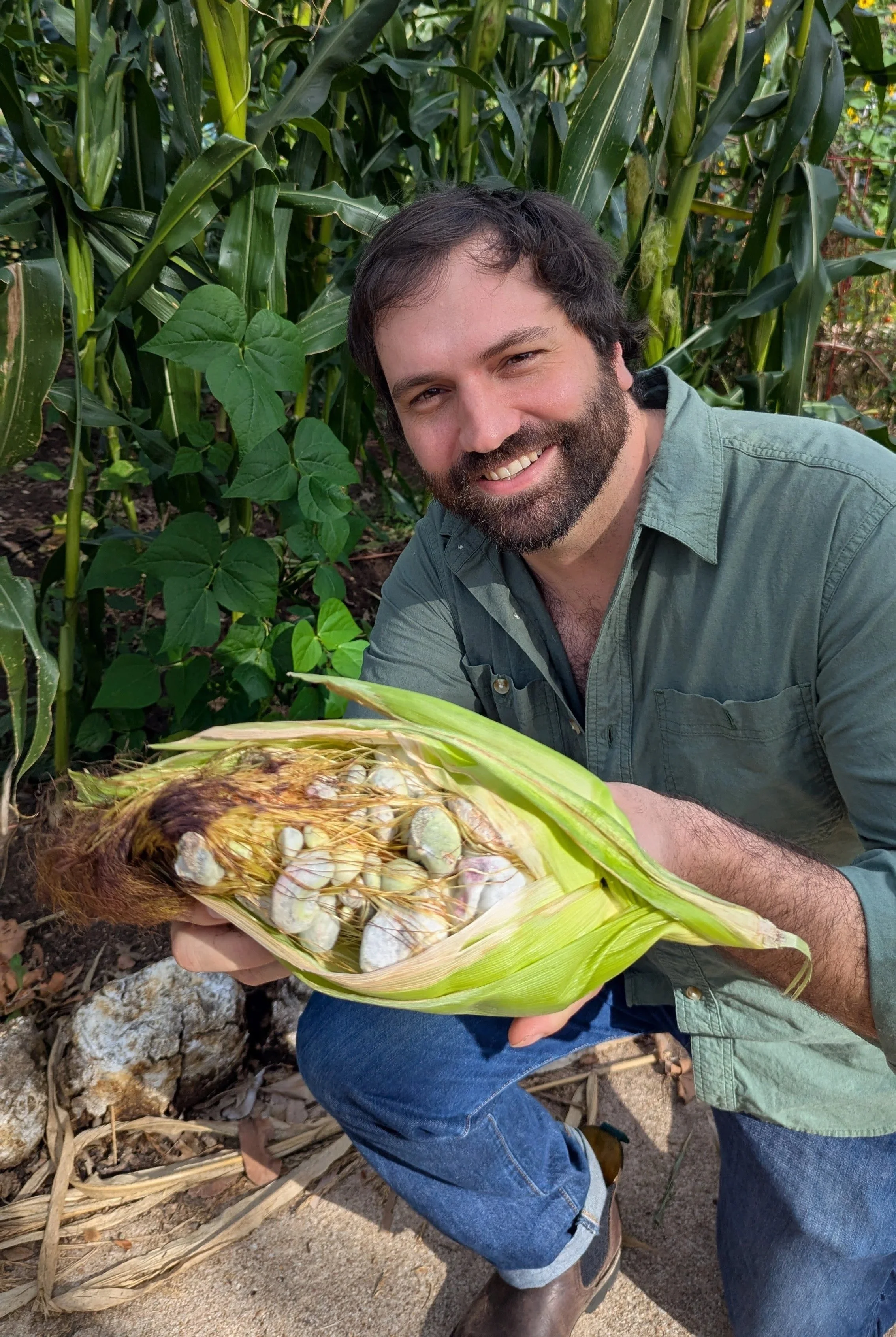
We harvested 5 lbs of huitlacoche from one plot in 2026
The Central Texas Mycological Society (CTMS) is launching a new experimental crop, huitlacoche or Mycosarcoma maydis. Like many of our mycological friends, huitlacoche straddles the line between a symbol of decay and a delicacy. To the corn farmers of the American plains, it is known as corn smut, a common and undesirable crop disease that forms in particularly hot humid summers. To the maize-centric cultures of Central Mexico, huitlacoche is a traditional part of the diet, a prized crop in itself, and a culinary delicacy. Much the same way that, for example, Chicken of the Woods is the object of many on a foray for a foraging mycologist but, to an arborist, it is a pathogen hollowing out the heartwood of a great old tree, now not long for this world.
Mycosarcoma maydis infects the kernels of the corn primarily, producing huitlacoche though it can also infect the tassel and stalk. Infection causes the kernels to form into distended darkened galls that are a culinary treasure, though a blight to the producers. The majority of the resources referring to huitlacoche for US based institutions are written as profiles on diseases and pathology, for example the pages from Texas A&M Agrilife Extension and the Wisconsin University Horticulture Extension with passing references to its consumption. Such articles are detailed accounts of how to diagnose and avoid Corn Smut infection but, with a slight change in perspective of the reader, they become useful guides in how to induce smut formation.
If you want to try huitlacoche before you dive in (though there’s more to the experience of cultivation than just the eating) you can purchase it at a few different Mexican specialty markets and restaurants. Fresh huitlacoche is highly seasonal, coinciding with the corn season, so calling ahead is recommended before going to either a restaurant or market, however, some import the corn flash frozen and can stock it year round. If you’re in the Central Texas area, CTMS has compiled a map of restaurants that serve huitlacoche or have in the past, if you know of others, please let us know.
Over the past few years, we have learned a great deal about how to successfully cultivate huitlacoche specifically in the climate of Central Texas. In spring 2026, we harvested 5 pounds from a single small plot in Central Austin, proving it to be a viable crop for Central Texan gardeners.
If you are interested in growing huitlacoche, contact CTMS, we have earmarked a portion of our harvest to be used to produce the spores to be distributed for future cultivation.
What do you need to grow Huitlacoche?
Humid summers, high temps below 95°
A small area or few pots to grow corn
Spores (or liquid culture) of M. maydis
Picking your Corn variety
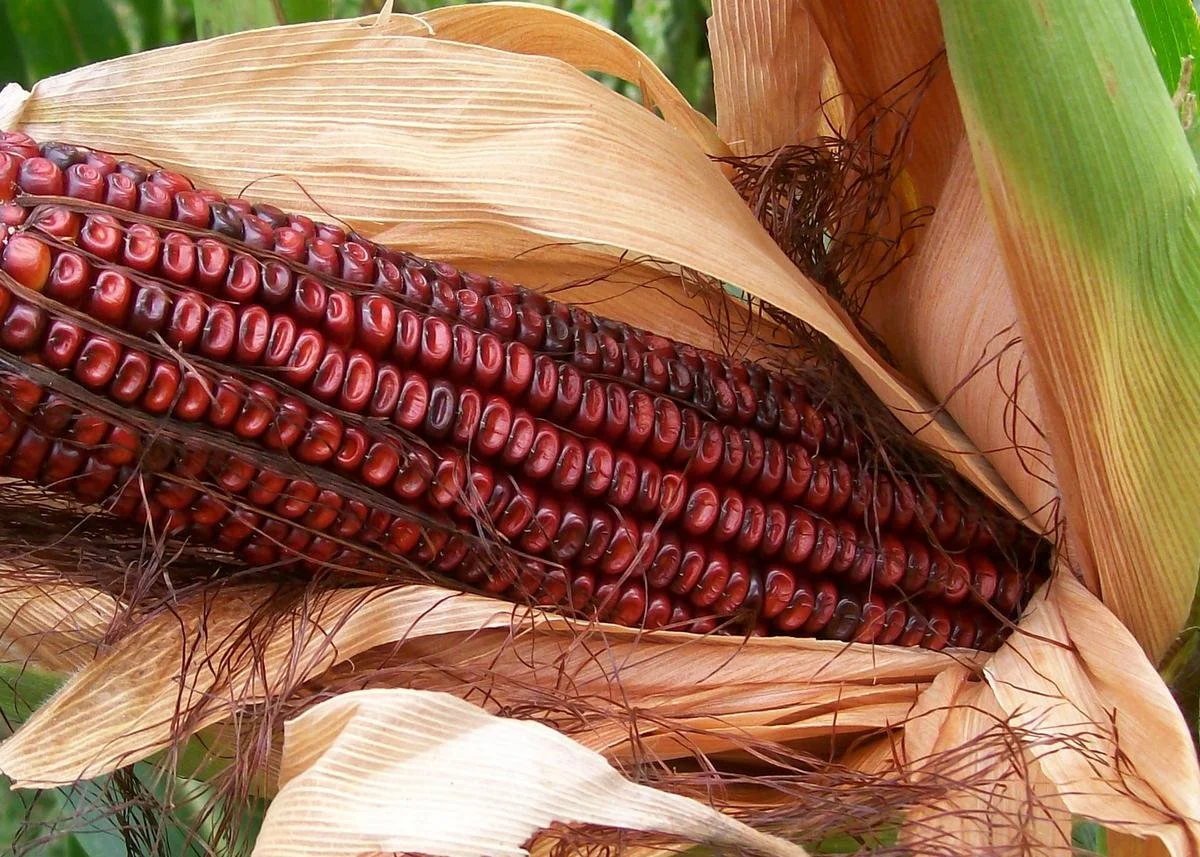
Bloody Butcher Corn from Southern Exposure Seeds is well suited to Central Texas
If you are not in Central Texas, here are links to where we bought our seeds. Liquid culture of M maydis is available online but we had little success with it. Spores are harder to find.
The first step to cultivating huitlacoche is growing corn. Texas Gourdseed was selected for the first test plots of CTMS (alongside some other strains), an heirloom variety from Central and South Texas. It is drought and flood tolerant and disease resistant generally though susceptible to smut infection which represents a high probability of successful huitlacoche production. Later seasons used Bloody Butcher and a crossbred variety of Gourdseed with great success.
The variety of corn affects the flavor of the resulting smut. Sweet corn and hybrids are often used among American producers and yield a sweeter, less traditional tasting huitlacoche. Avoid popcorn varieties as the exceptionally hard pericarp makes it more difficult for the mycelium to penetrate into the kernel. Varieties marketed as resistant to fungal infection should be avoided, including GMO varieties which are generally resistant.
Non GMO, Heirloom varieties
Especially susceptible to smut
Open pollinated for higher likelihood of desirable environment
3+ ears per stalk
Taste, sweet corn yields sweeter huitlacoche, not traditional
TTM - Time To Maturity - pick a variety that will mature when conditions are right
Plant Cultivation
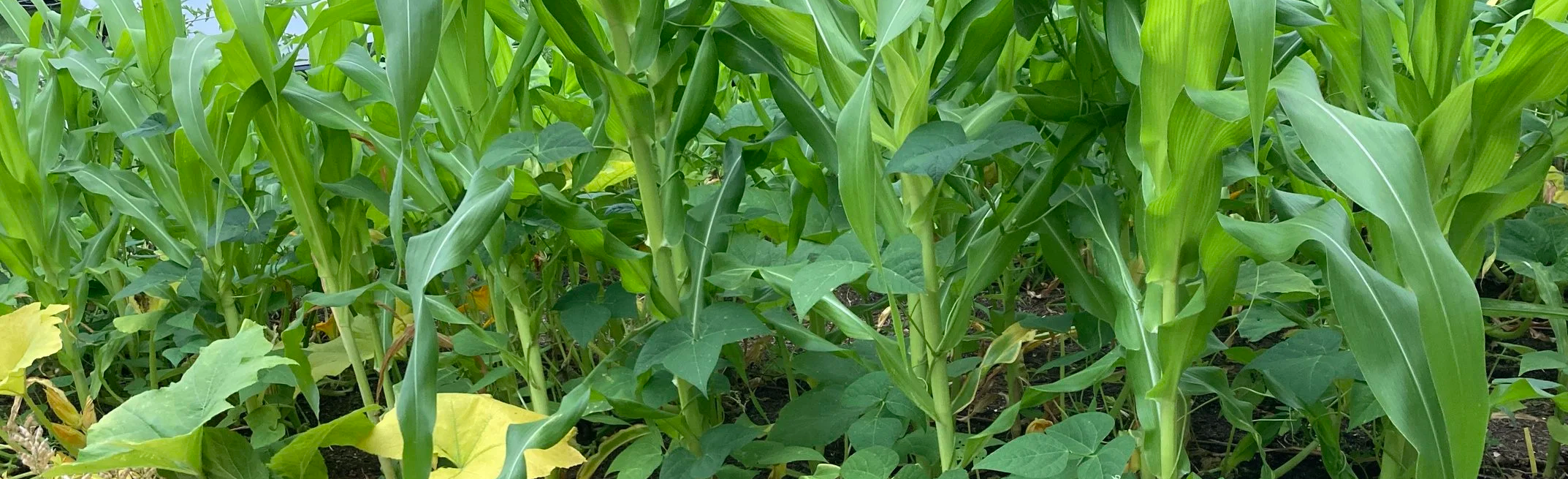
Find a guide with a planting strategy that suits your needs. Fertilize, water, monitor, and generally care for the plants exactly how you would for a regular corn crop with a few exceptions.
Plant your corn so that it will mature when high temperatures are between 85° and 95° degrees. Look at the time to maturity on your corn variety and the almanac for your region to count back to when you should plant. For example if your corn has 90° day TTM and your almanac says that high temps are 95° in July, plant in April. I generally aim for a late February or early March planting for a spring crop. The same goes for fall; you are looking for high temps above 85° which is early October, so you would plant in early July for a fall crop after counting back 90 days. Greenhouses also allow you to control temperature and humidity, so you can plant after July, decreasing your reliance on the external environment. Just make sure to keep your greenhouse from getting above 95° in the daytime.
Most corn planting strategies are built around pollination, however for huitlacoche we do not actually want our plants to be pollinated. Huitlacoche infection is most effective before pollination occurs. This means that you don’t have to commit to a large corn crop like most of the growing guides will tell you. You can attempt to cultivate huitlacoche in pots, small raised beds, even window boxes if you don’t mind corn stalks blocking your window like prison bars. A surprising step in cultivating huitlacoche, unlike corn, is that you can even de-tassel the corn plants to prevent pollination.
Another major departure from traditional corn planting guides is the pattern of planting. For huitlacoche, your corn plants must be accessed frequently. This is unlike typical corn cultivation, where growers need to access the crop only when it is planted and harvested. The plants must be accessed to monitor ear development. When the time is right, huitlacoche growers will inoculate each ear as they form over a couple of weeks. Then once inoculation occurs, monitor gall development and harvest the ear before the galls turn to spores. All of this requires regularly walking among your plants, for this reason we recommend leaving generous row spacing and not companion planting with squash (we do companion plant with beans though) as you will likely trample the vines.
The tassel is the male pollen producing portion of the corn plant. It grows at the very top of the plant and showers pollen upon the ears of corn below that take in the pollen via the silk that extends beyond the end of the ears. De-tasseling is a common procedure to artificially select for corn plant genetics. By planting two varieties of corn side by side and de-tasseling one of them, you can assure hybridization in that corn as they must have been fertilized by the other tasseled variety. De-tasseling is not required but it is an effective way to increase huitlacoche yield especially if you do not care about having a corn harvest. This is an important caveat. If you choose to detassel your corn you will have no fully formed ears of corn. If you are trying to produce both, you simply need to be vigilant in your inoculation and make sure you are intervening early before the ears are pollinated.
If you want to try a mixed crop of corn and huitlacoche (or if you have a neighbor growing corn nearby that would expose your corn to tassels) shoot bags can be used to prevent pollination of some ears while leaving others available to produce corn. There are specialized shoot bags for corn as well as other crops that emphasize hybridization like cannabis production that are permeable to particles smaller than the size of the particular plants pollen allowing maximum ventilation for the plant. However this can be done with simple paper bags, ideally ones that are waxed if there is rain or heavy dew in the forecast. We purchased our shoot bags from Seed Savers Exchange. Simply place the bag over the ear before the silk has emerged and pinch off a little to draw it tight to the stalk below the ear and secure it with a staple or paper clip in the loose flap of paper. You can even inoculate the ear by piercing the syringe through the bag if you want without risking exposing it to pollen in the open air.
Liquid Culture

We have found liquid culture to be far less effective in cultivating huitlacoche, however, it is easier to acquire online than spores and is nearly infinitely expandable, so it is useful as a tool of necessity. It is much more delicate than spores both to storage and environmental conditions when injected. It is also likely to be weak from senescence if the culture has been repeatedly expanded. You should also check your liquid culture under a microscope to ensure that it is indeed a Mycosarcoma maydis at all, sometimes, over years of expansion yeast or other infection can completely replace the initial sample.
There are many online guides for the production of Liquid culture (LC) that the reader can follow. We will link a few at the bottom of this article. For the purposes of our first trials, a 5% corn syrup (other sugars are perfectly acceptable) solution was sterilized in a pressure cooker and injected with LC syringes purchased from online vendors.
Typical mycelial cultivation which is done with sterilized jars or bags of cooked grain or wood pellet substrate, where the contents are dead and a perfect growing environment for any manner of infection that is introduced through the thin barrier separating the vulnerable substrate from the outside world, teeming with eager bacteria and spores. However, for huitlacoche, the substrate is a living ear of corn. Live corn has an intact innate immune system which offers partial protection against infection from poorly suited would-be invaders such as bacteria and molds. Secondly, the manner of injection is inherently unsanitary as it will be performed in the garden, outdoors, exposed to the rich ecosystem of microorganisms of soil ecology and airborne spores and bacteria. This means that some basic, limited contamination of the LC reservoirs, while not ideal, does not render the LC useless as the corn can resist some infection.
Spore Solution
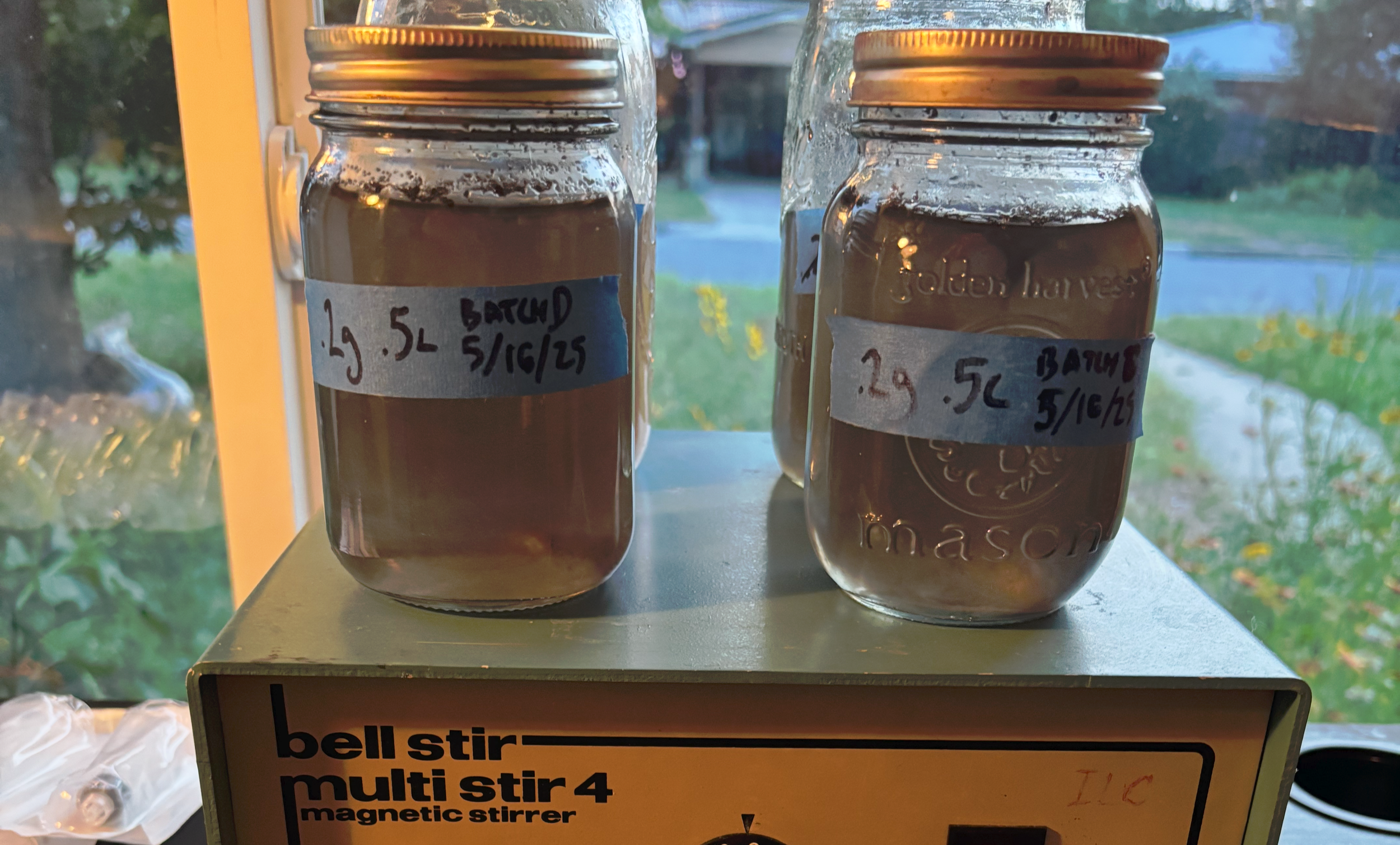
Preparation of spore solution for the fall 2025 crops.
Spore solution is the traditional and preferred method of cultivation. Cultivation goes back to ancient times where there are records of Central American people dipping flint knives into a slurry of spores and slicing into the ears of corn to inoculate. Today livestock syringes with a reservoir of spore solution are used.
To prepare the huitlacoche specimens for spore solution, allow the galls to continue to develop and dry, I usually do this in a container that allows air flow but does not allow fruit flies to enter, like a paper bag or a screen covered container. Once the specimen has dried remove the galls and crush them gently in a molcajete or blender. Once you sieve out the larger pieces the resulting spore powder should store in a jar in a cool, dark place for years. I save the larger pieces and mix them in with the next crop’s seed corn before planting. Always wear an N95 mask when working with spores, even non toxic varieties can cause breathing issues and asthma attacks.
Once your corn has been planted and your ears have started to develop, create your spore solution as needed. We used a .4g to 1g/L solution, between one half and one gram of spores per liter of distilled water or sterile water. M maydis spores, like most fungal spores, are highly hydrophobic, meaning they will resist mixing with water and will separate out over time. This is not an issue, just shake your jar before filling your syringes and shake your syringe (without sticking yourself) before injecting your ears to mix the spores back into solution. Everything should be clean but this is not a sterile process, the spores will have dirt, bug feces, and molds mixed in already, and the inoculation occurs out in the field, hardly sterile. A still air box can help contain the spores while working with them but is not necessary for sanitation purposes.
If you are in Austin area, we are giving away spore syringes and corn seed. Seeds available at the 78702 mushroom block pick-up until gone.
Inoculation
When the ears of corn are approximately cigar sized, which is around the time that the silk has emerged from the top of the ear, they are ready for inoculation. You can do a simple test on a sample ear to ensure they have not been fertilized. This is not strictly necessary especially if you can ensure that there has been no exposure to tasseled corn within approximately ¼ mile.
Most huitlacoche grown in the US in small quantities is produced via liquid culture, unlike in Central Mexico where spores are used. The most traditional method, employed since pre-columbian times is to take a sharp knife and successively dip it in a thick solution of spores and water and nick through the husks of unfertilized young ears of maize to produce infection. Modern producers in Central Mexico typically use syringes attached by hose to a reservoir of spore solution made with spores from previous harvests. Most producers in Mexico inject inoculant into the ears twice, a couple of inches from the top and bottom of the ears, targeting the silk channel, in between the husk and the kernels.
With liquid culture in the United States most small producers inject 5-10 ml of LC into the ear at the top, inserting the needle along the silk inline with the ear (silk channel inoculation) instead of through the side of the husk. For subsequent planting, the spores saved from previous harvests are generally used though some producers do continue to use LC.
The most important part of inoculation is that you want the spores or liquid culture to reach the entire ear top to bottom, for this reason multiple injections is recommended.
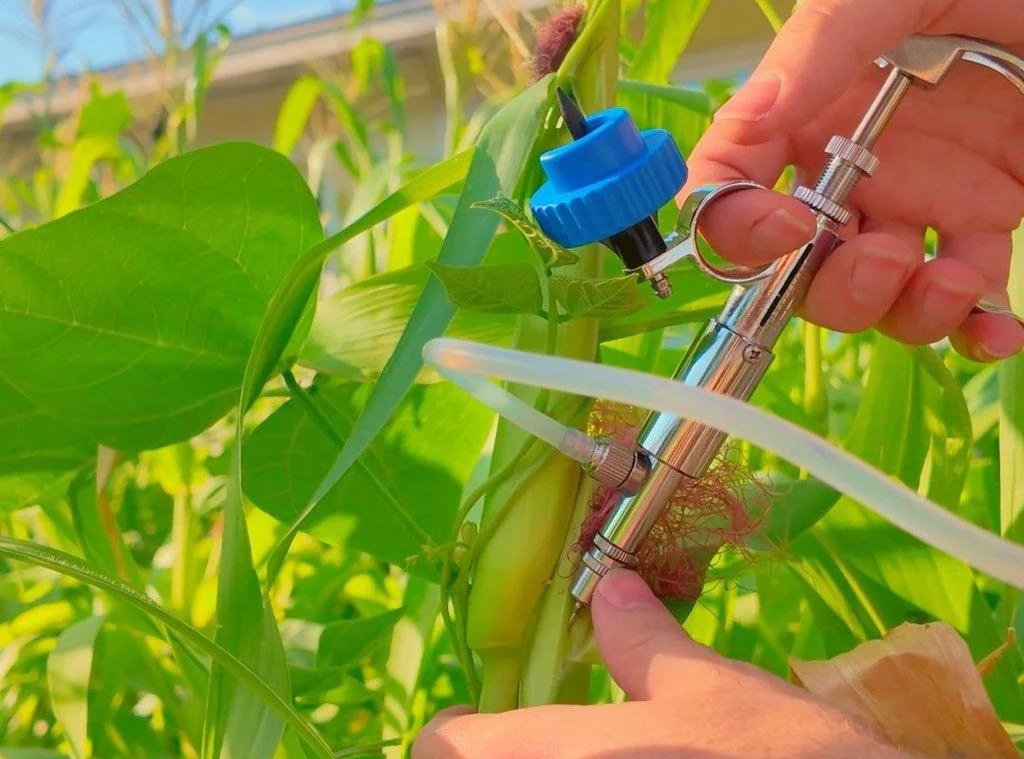
Inoculate when ears are still skinny and cigar sized
Right before silk emergence or just after
Seriously, don’t stab yourself with the syringe
Shake syringe to mix into solution
When inserting the syringe, try to find the silk channel between the cob/kernels and the husk.
Inject ~1ml of solution 1-2 inch down from the top of the ear
Inject ~1ml of solution 1-2 inch up from the bottom of the ear
Label the ear with the date using a sharpie
Watch the ear over the coming weeks to monitor the development
Timing varies, 10-40 days
Bulges will form below the husk
Harvest once galls have enlarged and turned gray/black but before infected kernels turn powdery inside
Harvest
Ears should be harvested once the galls have developed but before sporulation has occurred. Various time frames are given for this in different sources as local environmental effects as well as inoculation techniques can change the length of time necessary for development. LC develops faster than spores. Warm temperatures and higher humidity increase the speed of growth. Recommendations vary from 14-16 days to others stating 12-14 days is already too late. The essential point is to harvest before the galls have turned powdery inside. Once the spores have fully developed in a gall and began to turn powdery, consumption of that gall can cause considerable gastrointestinal upset; save those galls for future spore solution.
The galls can be peeled or cut from the cob and refrigerated separately or on the cob for shorter periods. If you’re blessed by the maize gods with a successful crop of huitlacoche, there are some great recipes to try out. The most common is a huitlacoche quesadilla with sauteed huitlacoche, diced onions, and epazote inside. Simple and delicious. We’ve even made tamales where the whole tamale, husk, masa, and filling are all from the same corn plant. There’s no wrong way to enjoy it. Huitlacoche is a fantastic ingredient in soups, tacos, and traditional Mexican crepes, so invite some friends over and get to cooking.