The Hidden Life of Texas Orchids: A Mycorrhizal Mystery
by Angel Schatz
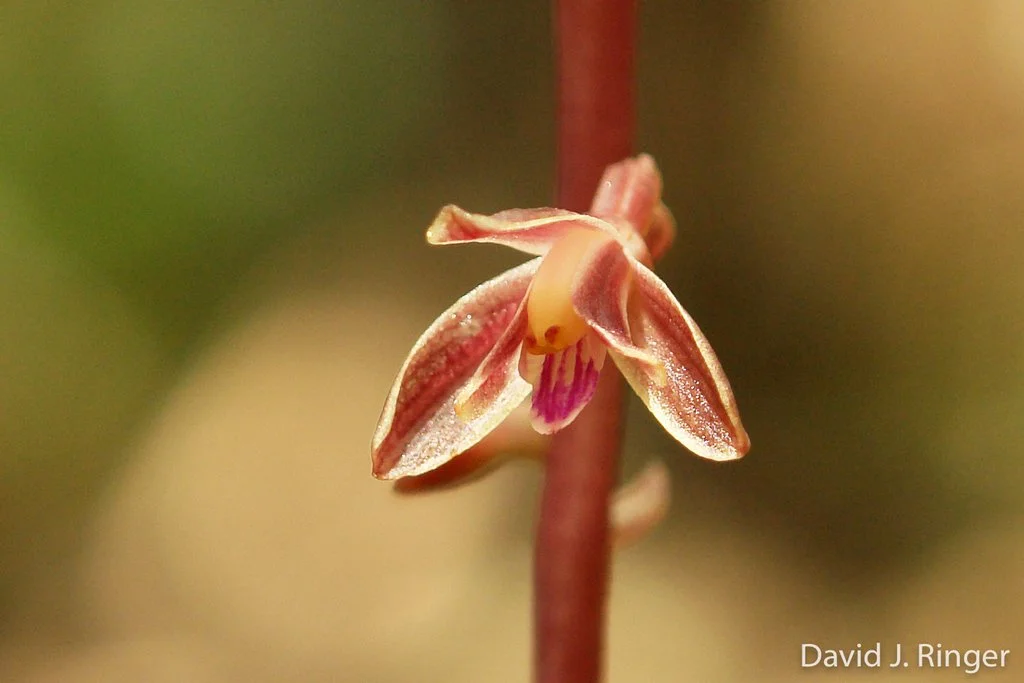
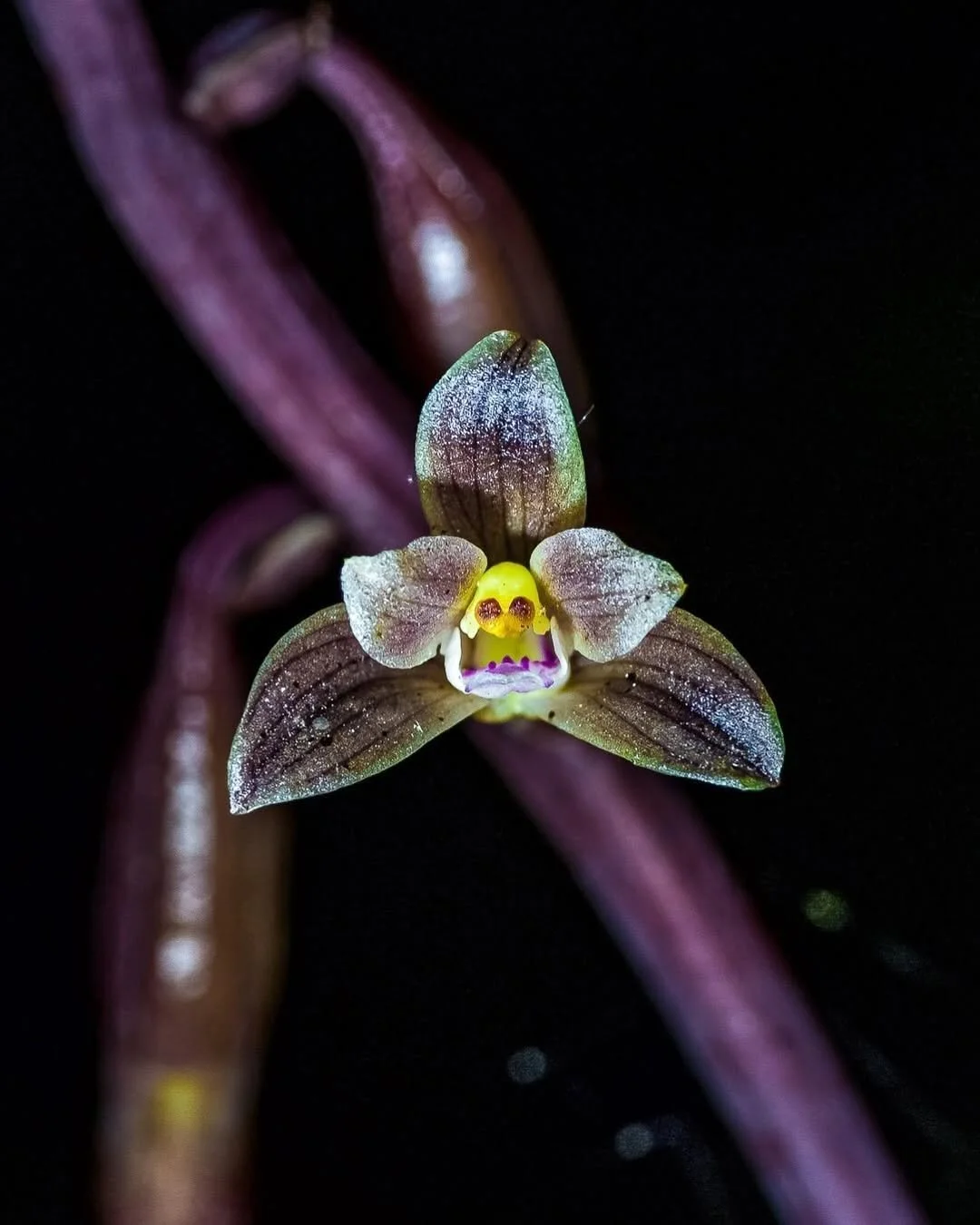
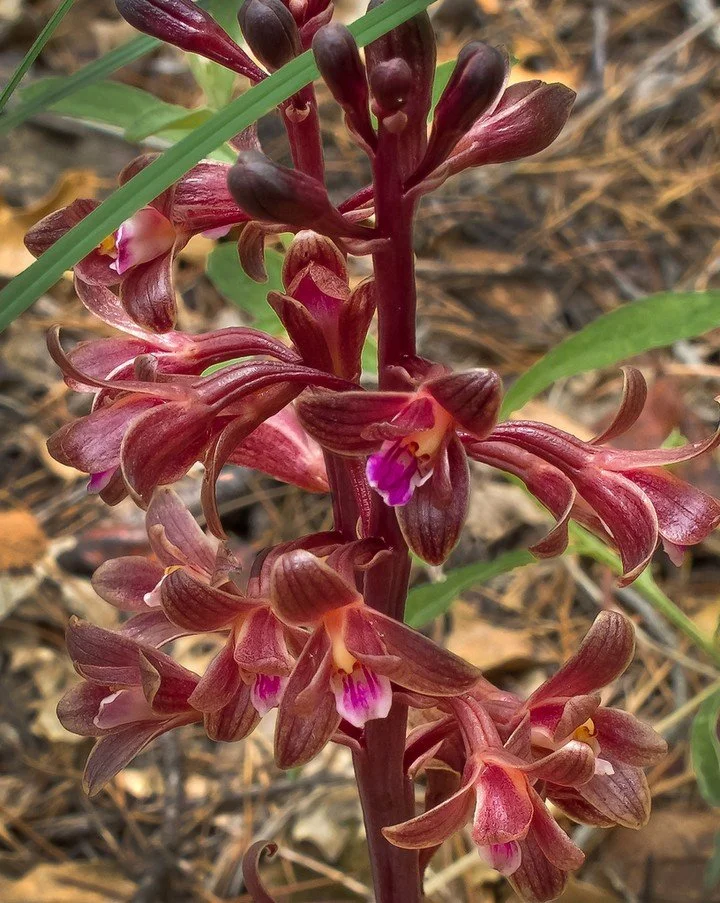
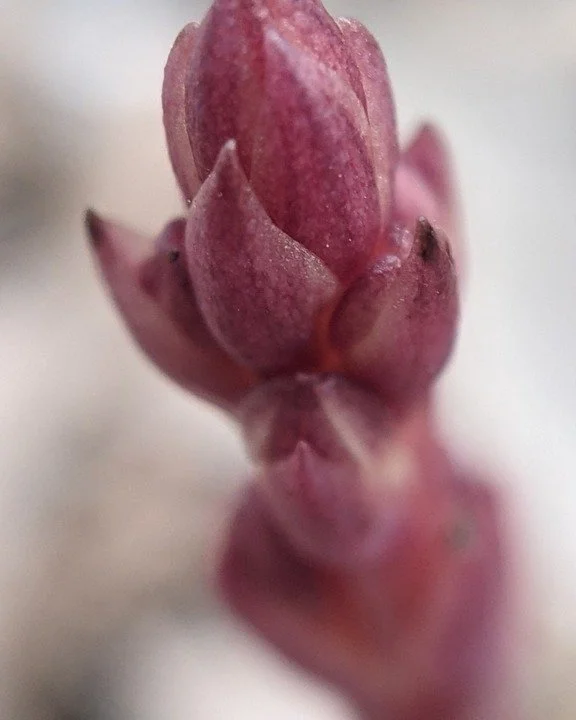
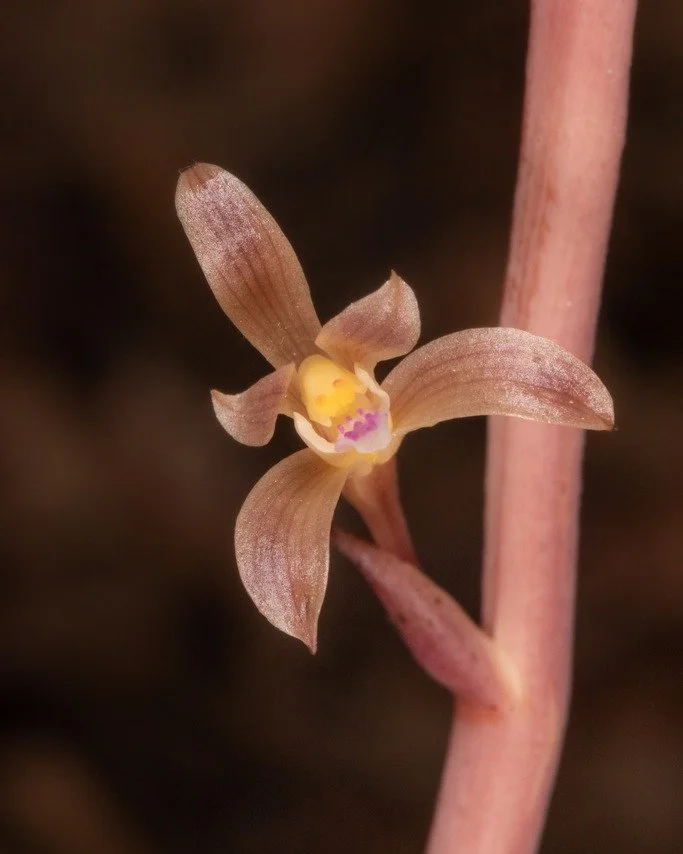
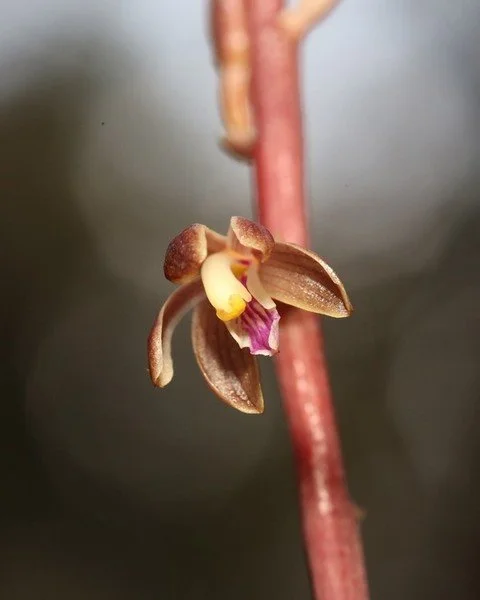
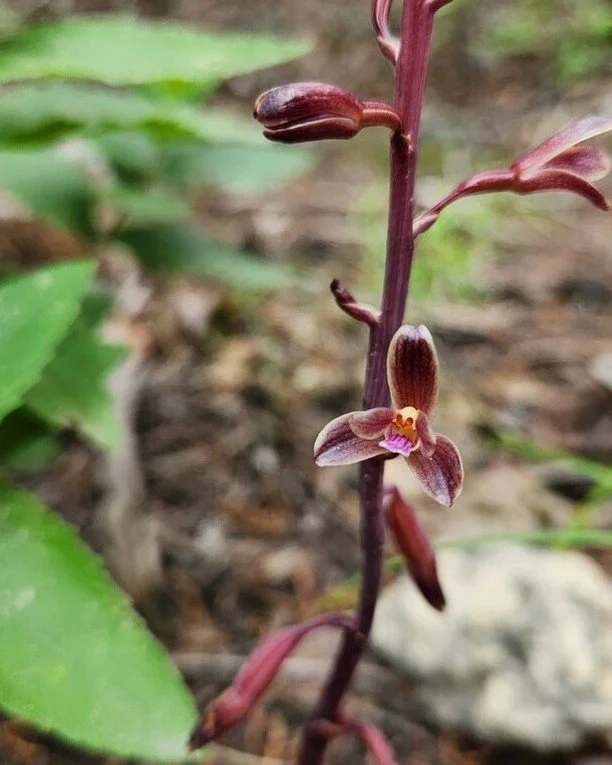
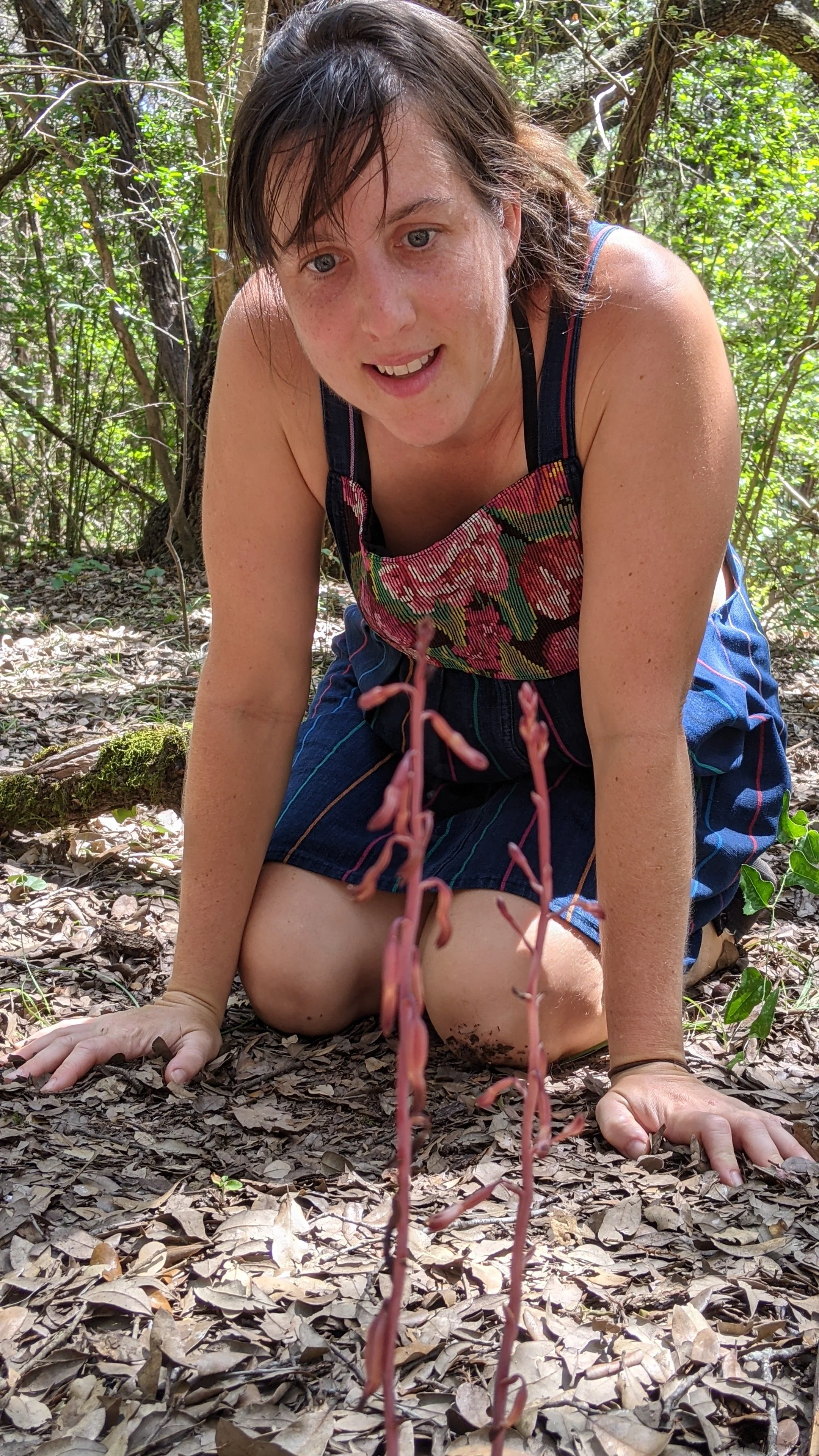
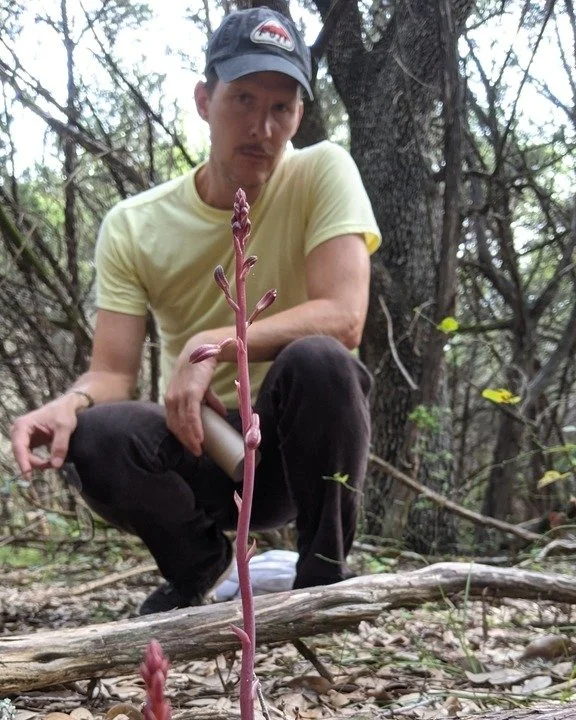
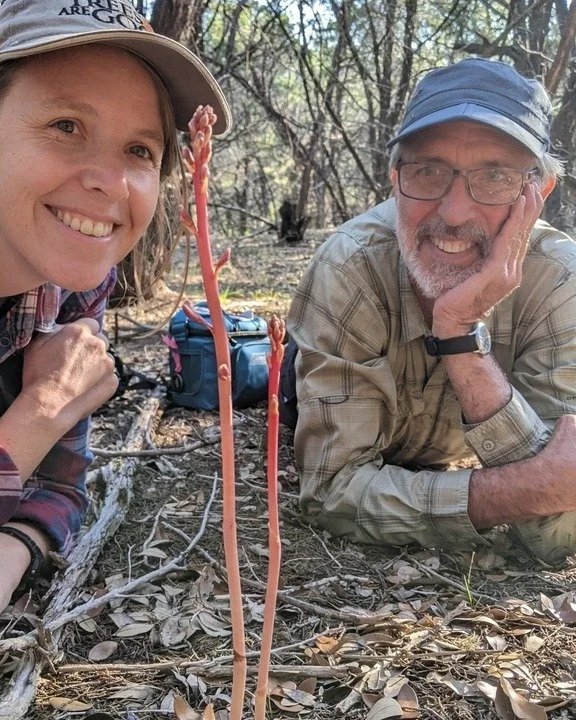
If you joined us for our past orchid mycology walk, you had the thrill of spotting the rare and beautiful Bletia nitida—commonly known as the Glass Mountain Crested Coralroot. It was a special treat to see them blooming, a testament to the right combination of rain and humidity that creates their perfect microclimate. For those who missed it, you can see the stunning photos from our walk here.
But the true wonder of these orchids isn't just in their delicate, waxy rose-brown flowers. It's in the secret life they lead underground, a life so bizarre it challenges our very understanding of what a plant is.
What's in a Name? The Science of Reclassification
First, a bit of botanical housekeeping. You might remember this orchid as Hexalectris nitida, which sounds like a superhero name. Recent molecular analyses have led scientists to reclassify it. It now officially resides in the genus Bletia, making it Bletia nitida. This isn't just a name change; it reflects a deeper understanding of its evolutionary relationships. The expanded genus Bletia now includes orchids that are completely myco-heterotrophic, meaning they have little to no chlorophyll and rely almost exclusively on fungi for their nutrition. Our Bletia nitida is a prime example of this fascinating group.
A Plant That Doesn't Photosynthesize
Most plants are autotrophs—they use sunlight, water, and carbon dioxide to create their own food through photosynthesis. Bletia nitida is an achlorophyllous plant. It has no leaves and contains no chlorophyll. So, how does it survive? It has evolved a strategy called mycoheterotrophy.
In this relationship, the orchid acts as a parasite upon its fungal partner. It doesn't offer the fungus sugars in return for nutrients like most mycorrhizal partnerships. Instead, it obtains all of its carbon and mineral nutrients by parasitizing the fungus.
A Web of Deception and Dependency
The process is a remarkable example of subterranean sleight-of-hand. The mycoheterotrophic orchid connects to fungi that are, themselves, mycorrhizal with a nearby autotrophic tree. This creates a three-way network:
The tree photosynthesizes, producing sugars.
The fungus taps into the tree's roots, absorbing these sugars in exchange for minerals like phosphorus and nitrogen.
The orchid taps into the fungus, diverting the sugars and nutrients for its own use.
In essence, Bletia nitida is a "cheater" in this ecological network, bypassing the need to photosynthesize by stealing resources from the fungus, which originally acquired them from another plant.
Extreme Fungal Specificity
One of the most remarkable aspects of this relationship is the extreme specificity Bletia nitida shows toward its fungal partners. Research has demonstrated that Bletia nitida associates exclusively with a very narrow range of ectomycorrhizal fungi .
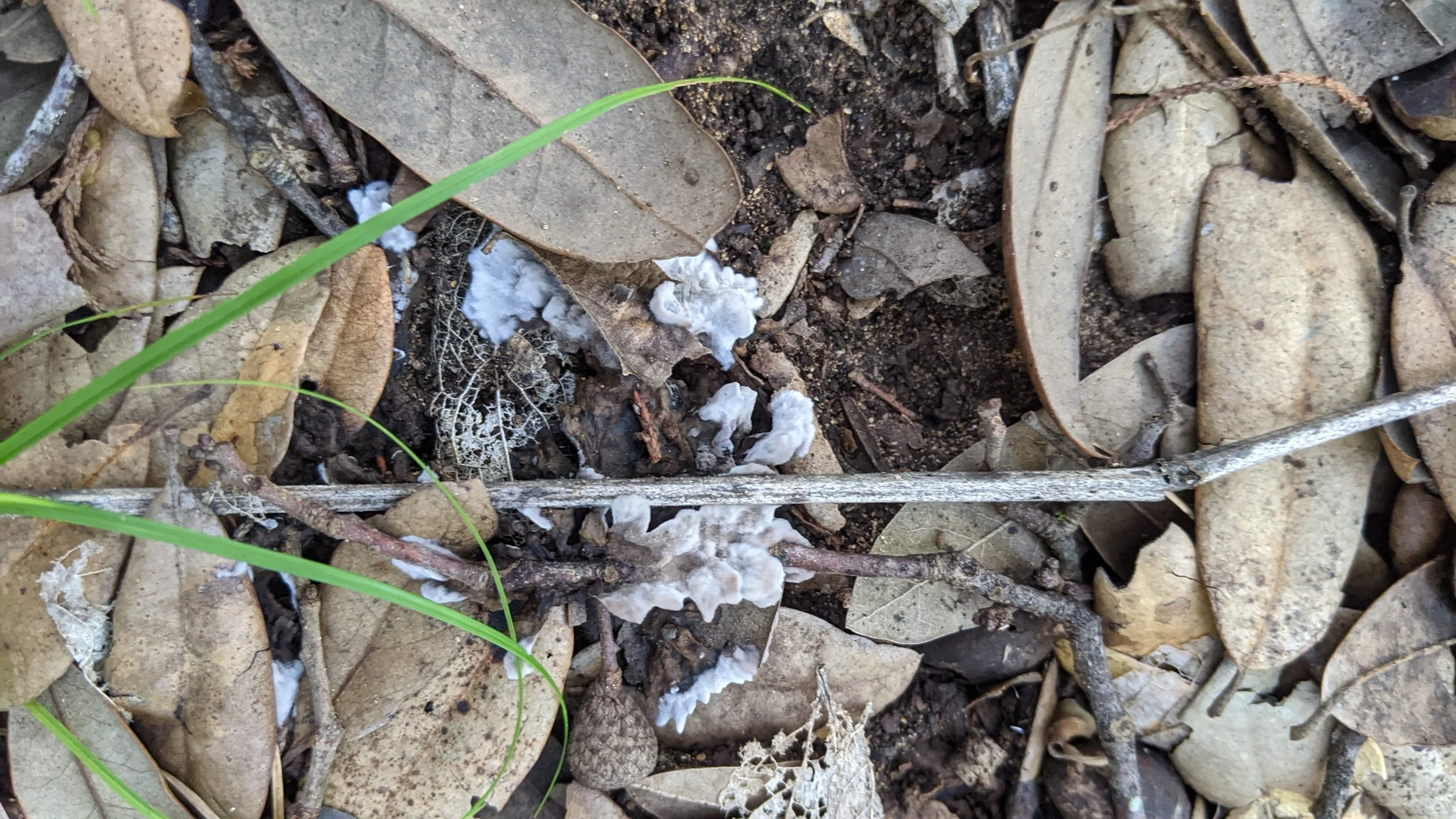
Specifically, the fungi identified in association with Bletia nitida belong primarily to the Sebacinaceae family (subgroup A), a group of fungi that form ectomycorrhizal relationships with trees . These aren't just random soil fungi—they are the very same fungi that connect to the roots of oaks and junipers in the shaded canyons where the orchids grow . Here’s some media of this fungi growing near the Orchid from rainy years.
This specificity is so precise that Bletia nitida and related species in the H. spicata complex appear to associate strictly with members of the Sebacinaceae subgroup A, with each orchid species often targeting a distinct subclade within that group . In fact, studies of B. nitida show the highest fidelity toward their fungal partners, rarely associating outside their primary fungal clade. This means when you spot a Bletia nitida, you're not just seeing a rare orchid—you're looking at evidence of a highly specialized, ancient partnership with a specific underground fungus.
Texas: A Hotspot for Bletia
Our state is a biodiversity hotspot for this unusual group. Texas is home to more species of the Hexalectris genus (now largely folded into Bletia) than any other state in the world. You can find them in three main hotspots: the mountains of far West Texas, the shaded canyons of the Edwards Plateau, and the White Rock Escarpment in north-central Texas.
A Closer Look at Bletia nitida
First Discovery: It was first observed by Barton Warnock in 1940 in the Glass Mountains of West Texas, which is how it gets its common name.
Rarity: This orchid is considered vulnerable throughout its range. It is a shy bloomer, often self-pollinating (cleistogamous) and rarely displaying fully open flowers .
Growth: It typically grows to about 20 cm or less, bearing a dense cluster of 12-20 flowers on a short inflorescence. It prefers the rocky, shaded sides of canyons under oaks and junipers.
The Big Picture: A Scientific Frontier
The story of Bletia nitida and its mycoheterotrophic cousins is far more than a botanical curiosity. It's a powerful window into the complex, hidden networks that sustain life in our woodlands.
The next time you walk through a Texas oak-juniper woodland or canyon, remember that the most fascinating life might not be the trees towering above you, but the coral orchids and their fungal partners carrying out a silent, parasitic drama right beneath your feet.
📸 Help Us Document These Wonders
Have you spotted Bletia nitida or other fascinating orchids and fungi on your hikes? We'd love to see your observations!
Add your sightings to iNaturalist: Your observations help scientists track populations and better understand these rare species. We've been monitoring known locations and discovering new ones , and your contributions make a real difference. Be sure to obscure your observations since these species are vulnerable.
Share your photos with us: Tag us in your posts or send us your best shots from the trail.
Every observation adds to our collective knowledge and helps protect these incredible organisms for future generations. Happy exploring!
Reference Links
https://www.inaturalist.org/observations?taxon_id=1269436
https://www.instagram.com/explore/search/keyword/?q=Hexalectris%20spicata
https://goorchids.northamericanorchidcenter.org/species/bletia/nitida/
https://www.wildflower.org/plants/result.php?id_plant=heni2