Mushroom Gardening & Composting
Thank you for participating in our mushroom block giveaway and helping cycle organic waste into healthy soil! If you haven’t signed-up to get blocks you can do so here.
Scroll to watch our free video series on how to recycle the blocks and grow mushrooms outdoors. FAQ's & More Growing Tips
Make a donation or become a supporting member to help us keep the mycelium running.
Suggested donation is $5 a block
Want us to teach a class?
We do the program online or in-person anywhere in Central Texas and San Antonio area.
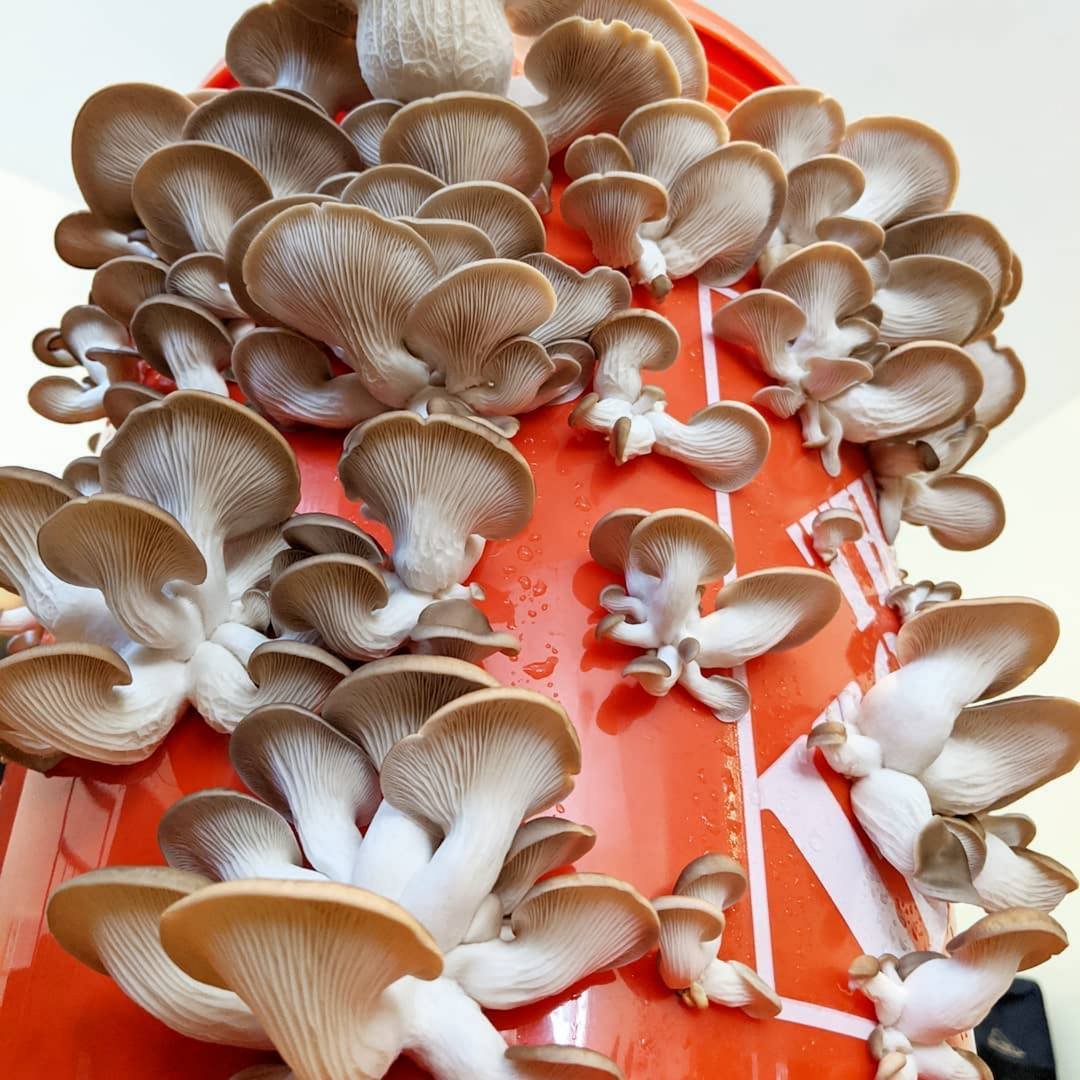
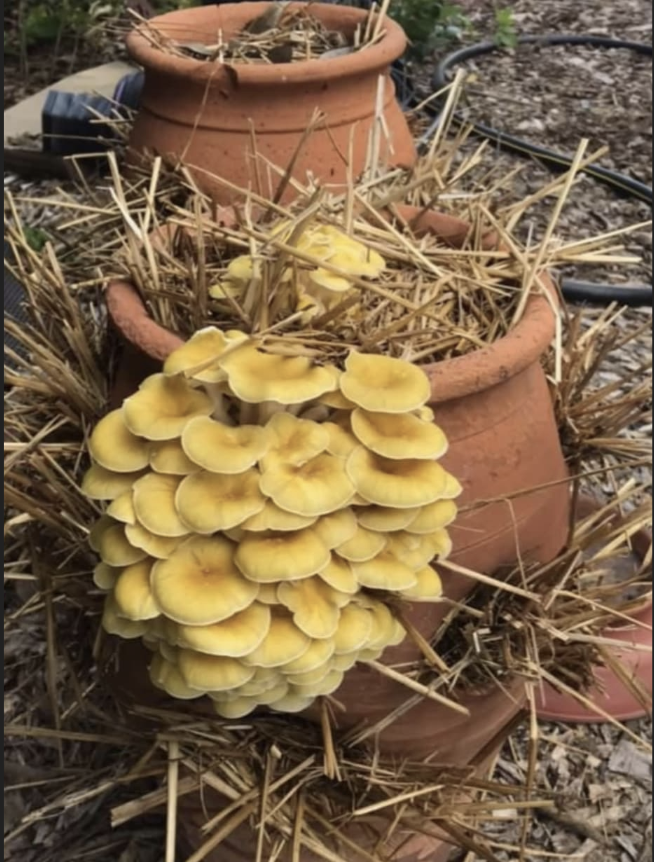
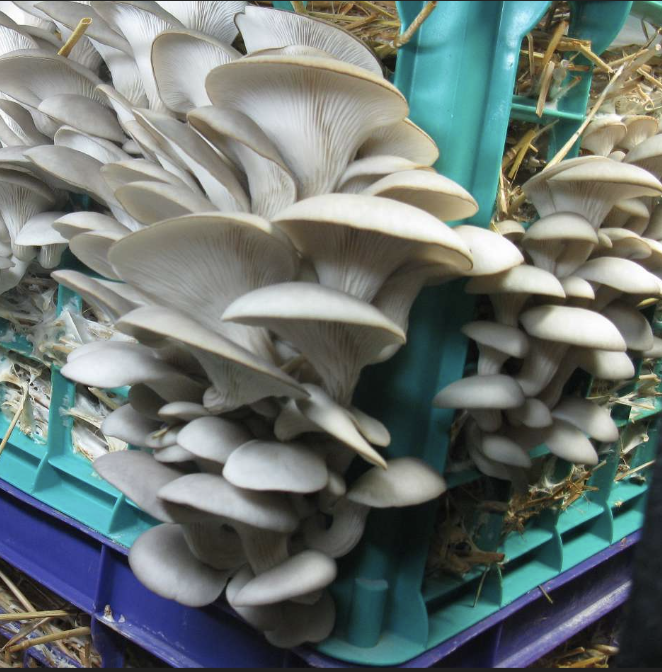
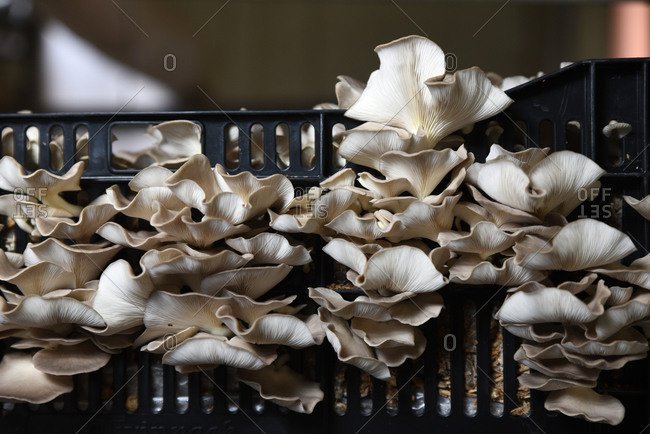
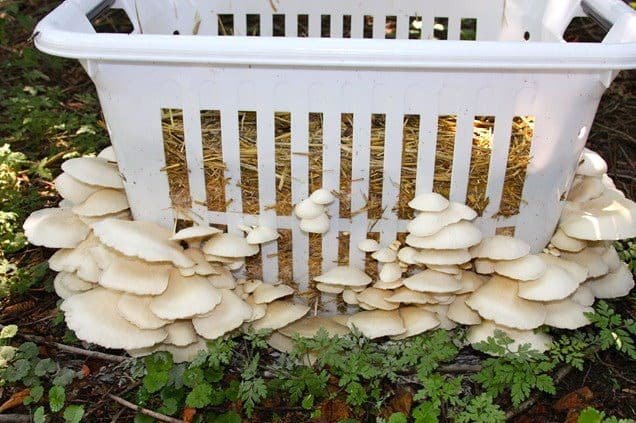
Video Series: How to Grow Mushrooms Outdoors
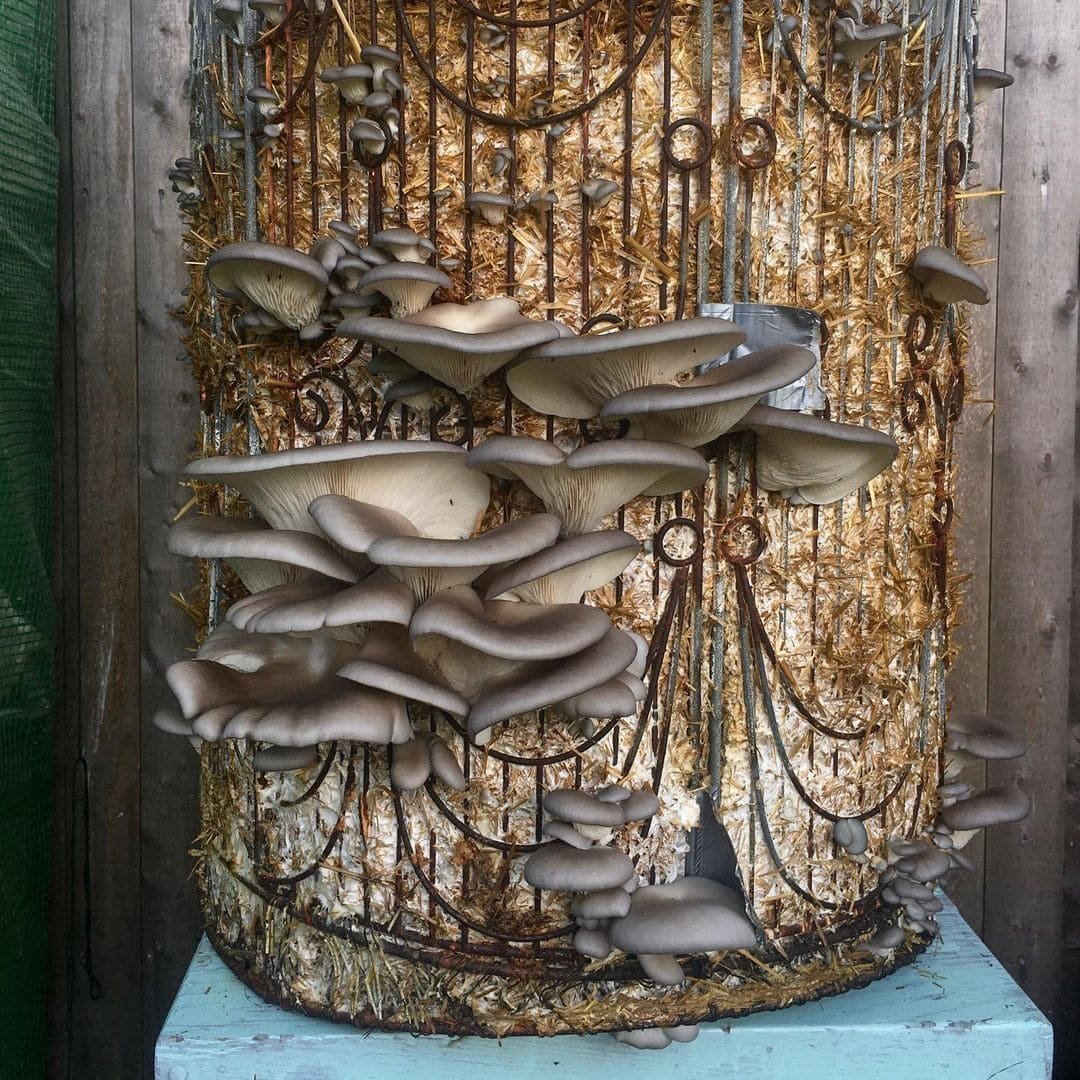
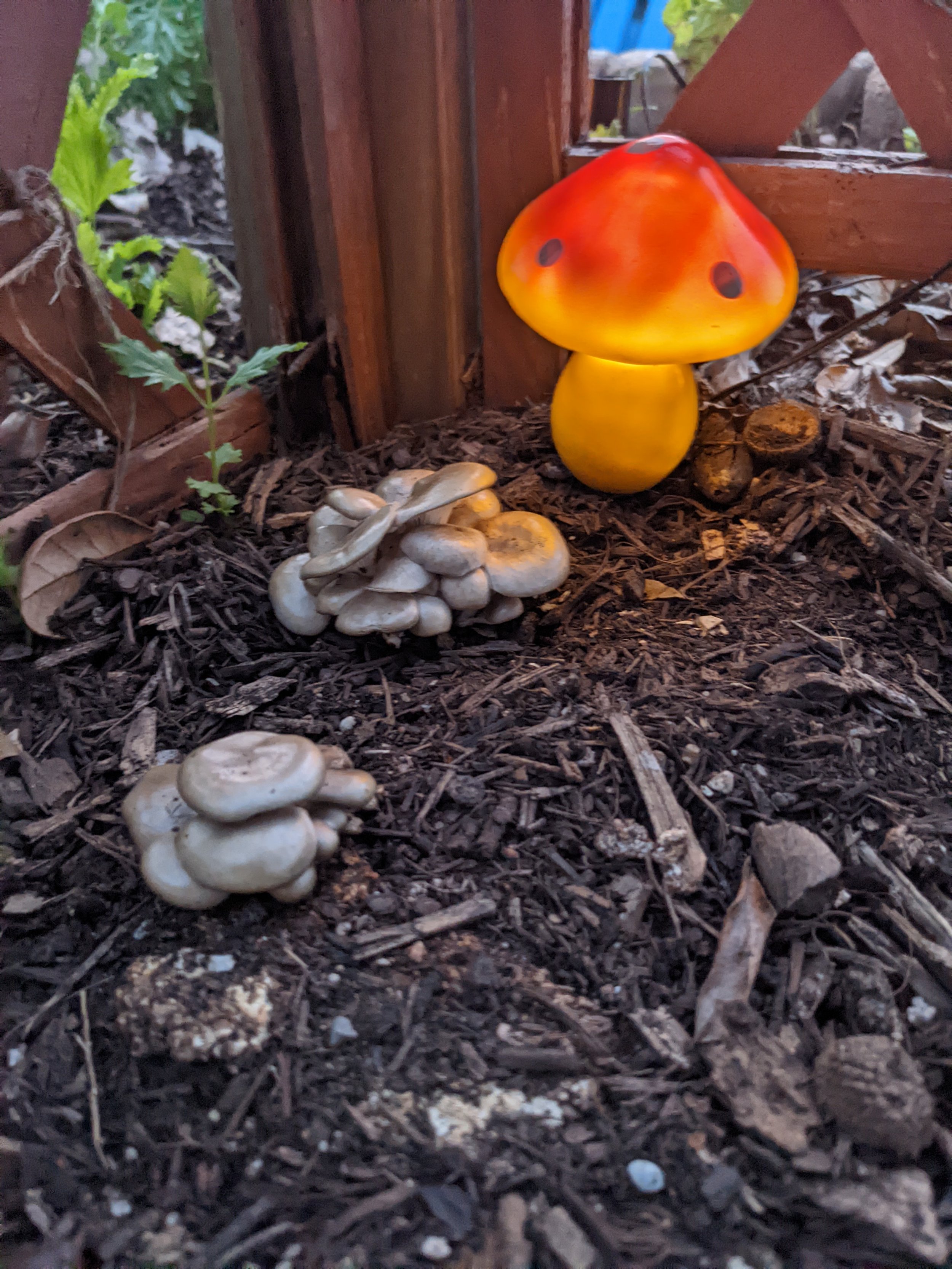
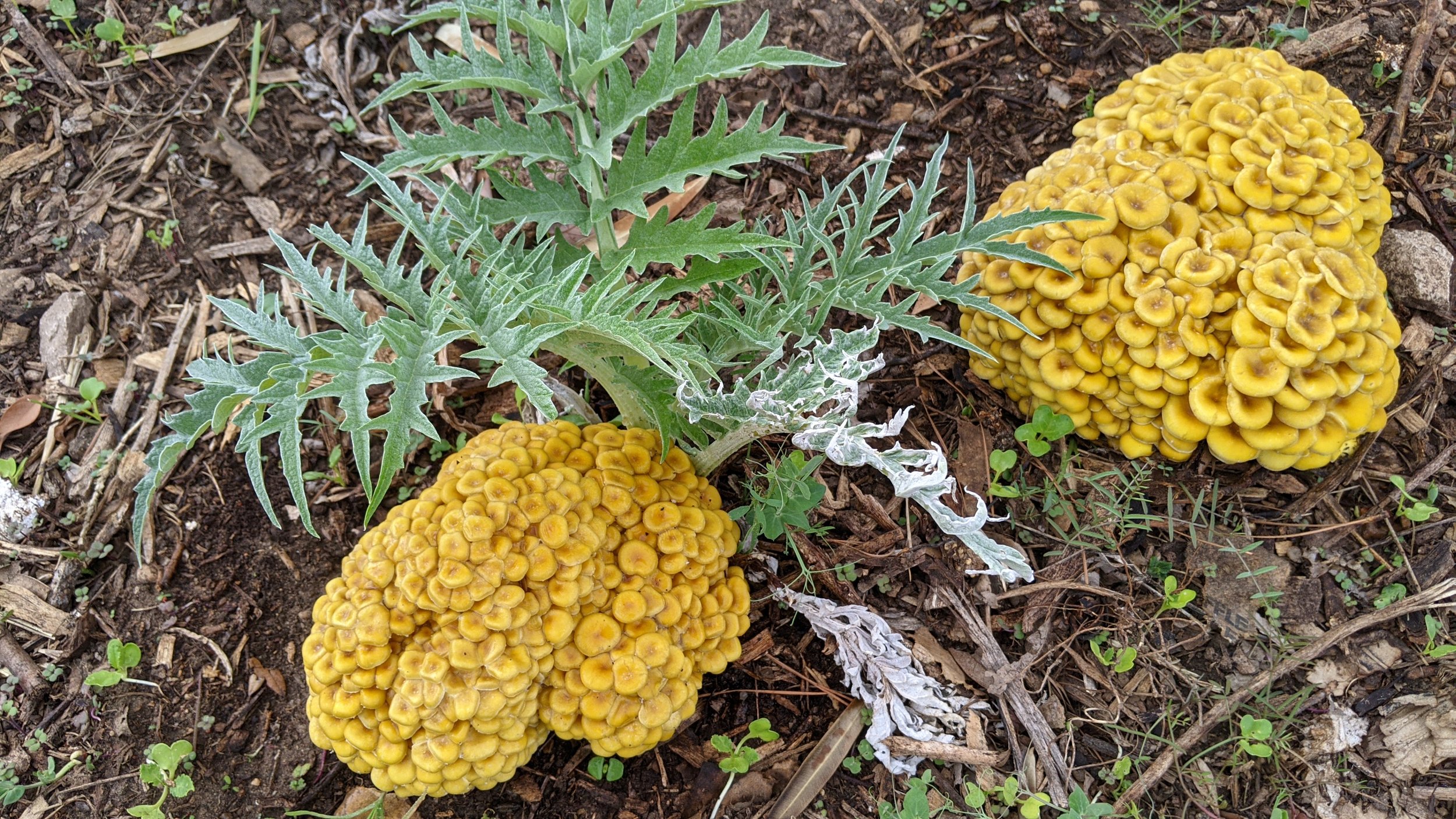
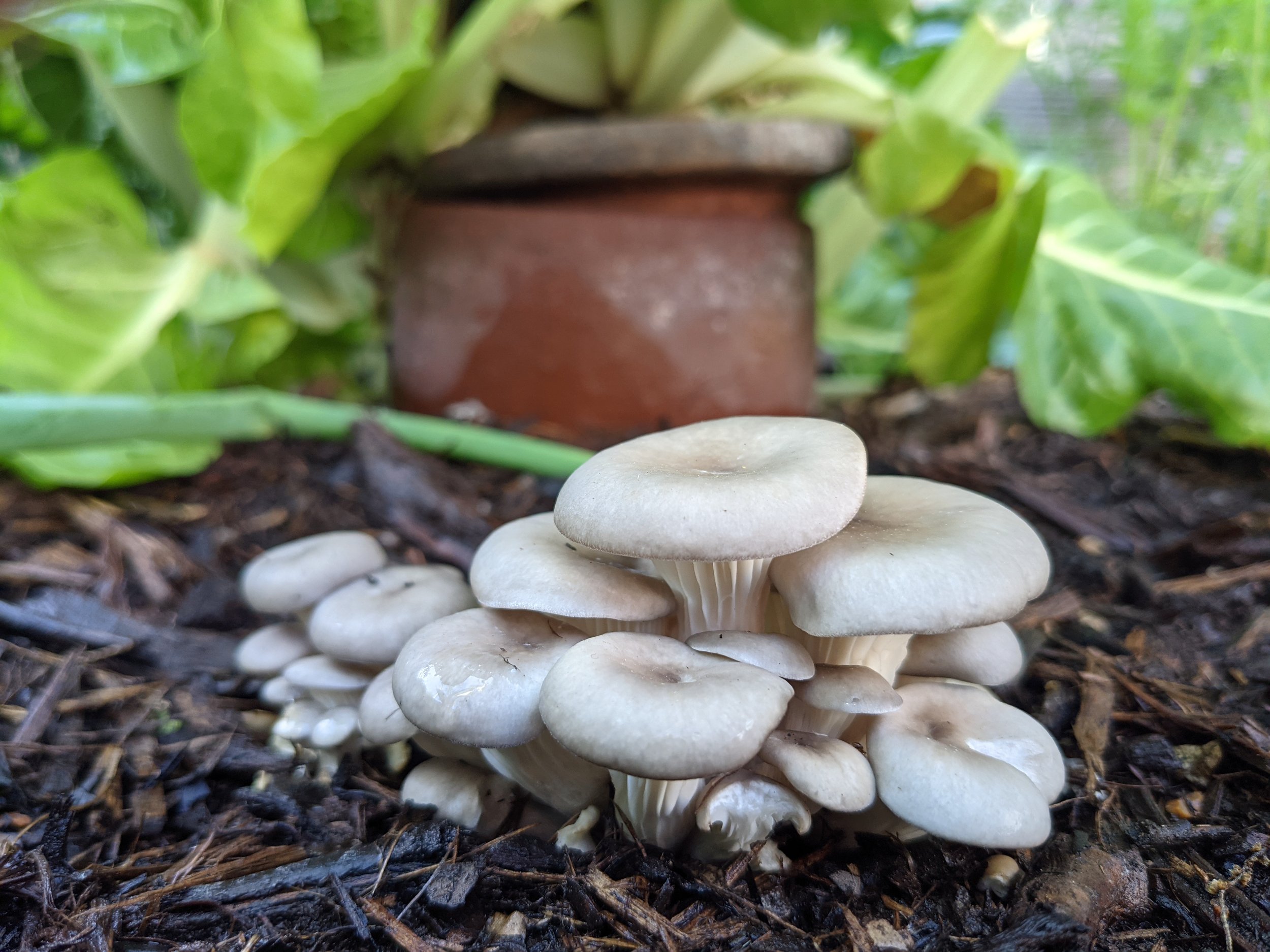
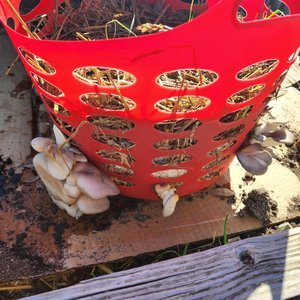
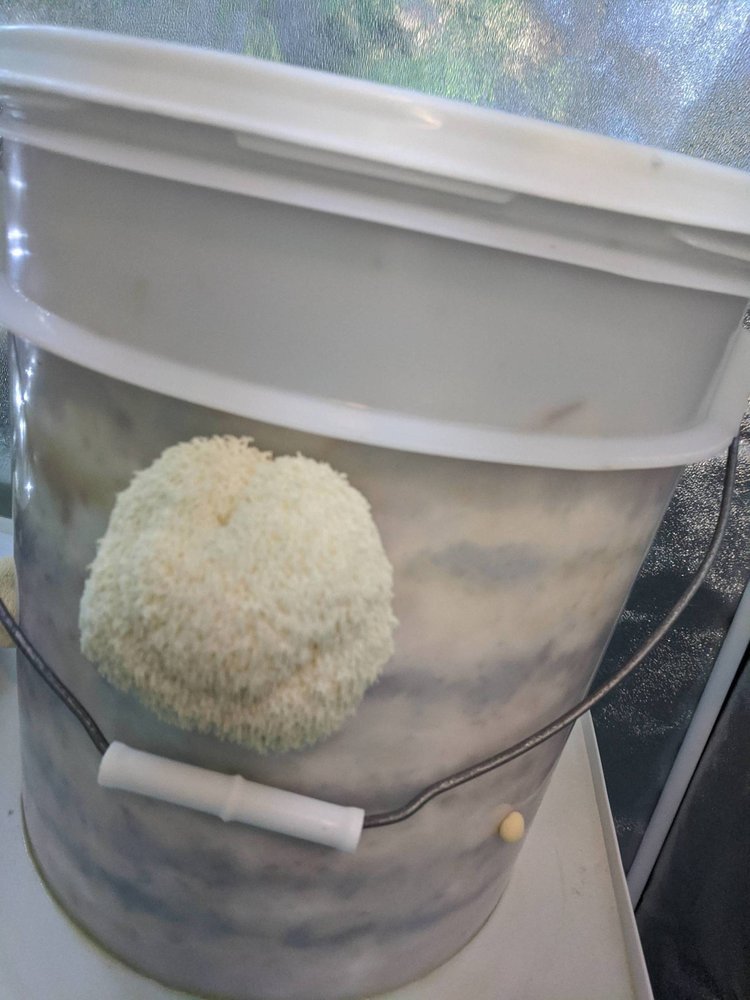
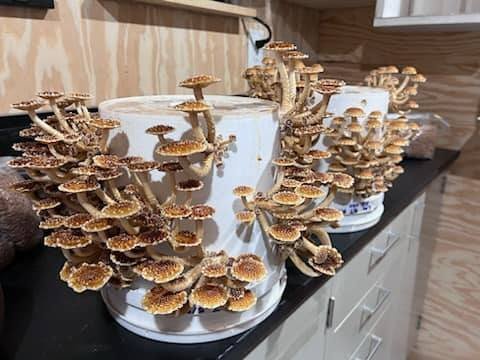
In this Mycology in the Garden video series in collaboration with the Austin Organic Gardeners, we will show you how to recycle mushroom waste to compost and grow mushrooms outdoors in shady areas. You can also grow them alongside your vegetables, perennials, or in the shade of trees. These basic techniques require no special equipment or electricity, and can all be done outdoors using organic materials found such as straw, leaves, wood chips and logs which all make for great mushroom substrate.
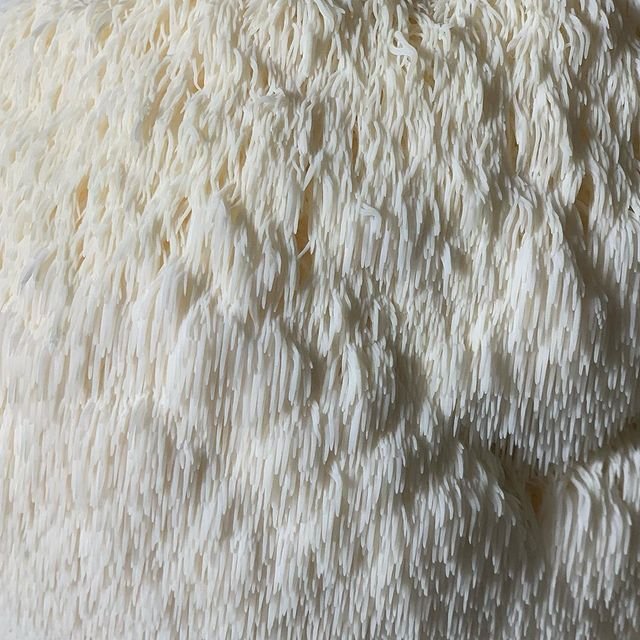
Late fall into spring is the ideal time for growing mushrooms outdoors as mushrooms like Oysters and Lion’s Mane flush in the wild. Once temperature reach 80+ degrees the we recommend using the blocks to compost and mulch or growing indoors.
Part 1: How Fungi Benefits the Soil
Part 2: Grow Mushrooms on Wood Chips in The Garden
Part 3: Grow Mushrooms in a Straw Bale
Part 4: Grow Mushrooms in Containers
Part 5: Grow Mushrooms on Logs
Part 6: Grow Mushrooms using Trench Composting Method (most popular method)
Part 7: How to Compost with Recycled Mushroom Blocks
Part 8: Sheet Mulching with Mycelium
Part 9: How to Build a Johnson-Su Composter
Part 10: How to Grow Huitlacoche on Corn
Part 11: How to Build a Lasagna Bed with Mushroom Blocks
Related Videos
How to Cultivate Bioregional Mycorrhizal Fungi for Plants
Scientific Studies
This study examines using Spent Mushroom Substrate (SMS) as fertilizer on beans, beets, garlic, greens, peas, peppers, radishes, and tomatoes. The conclusion: across all of the experiments the research has shown that SMS is a viable alternative to other fertilizers and soil conditioners and should be looked at as valuable product and not simply a waste material. It is a cost effective way for farmers and gardeners to build soil health while operating in a sustainable fashion and the benefits seem to get better with time and persist long after initial application.
A recent study examined if recycling spent oyster mushroom compost could help farmers/gardeners manage plant-parasitic nematodes in the field.
One benefit of growing mushrooms outdoors is that they have a huge amount more vitamin D than those grown indoors or without UV light. Check out this study.
More Scientific Studies
The following is a recording of our Mycology 101 for Gardeners and Growers. It focuses on fungi’s role in ecosystems and four ways to SMS are used to grow culinary mushrooms, nourishing plants and wildlife, building water-efficient, fungal-rich soil, and remediating contaminated sites. Methods are linked to studies to back the use of the SMS.