

PHOTOS: Split Gill Mushroom, Schizophyllum commune
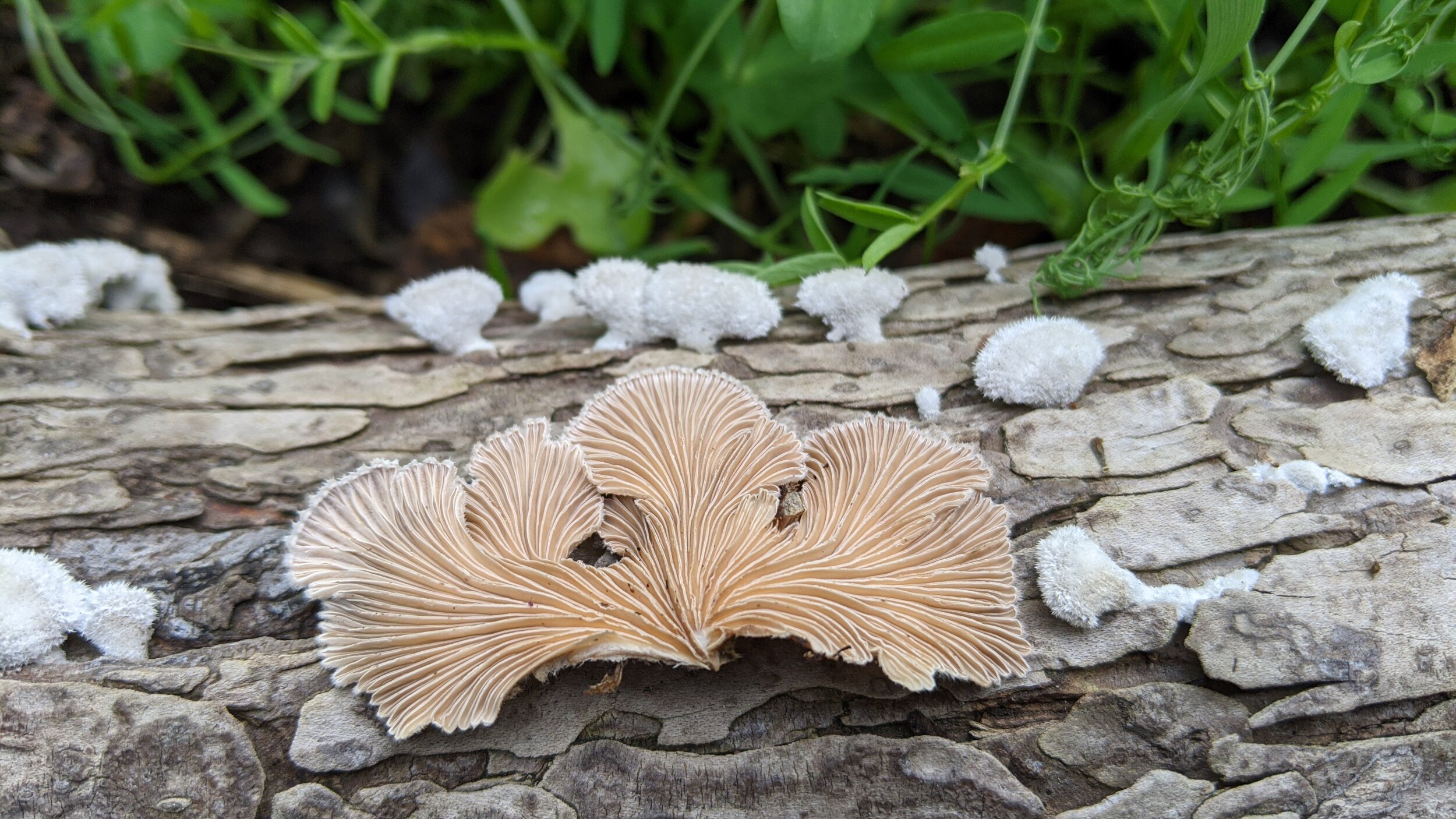
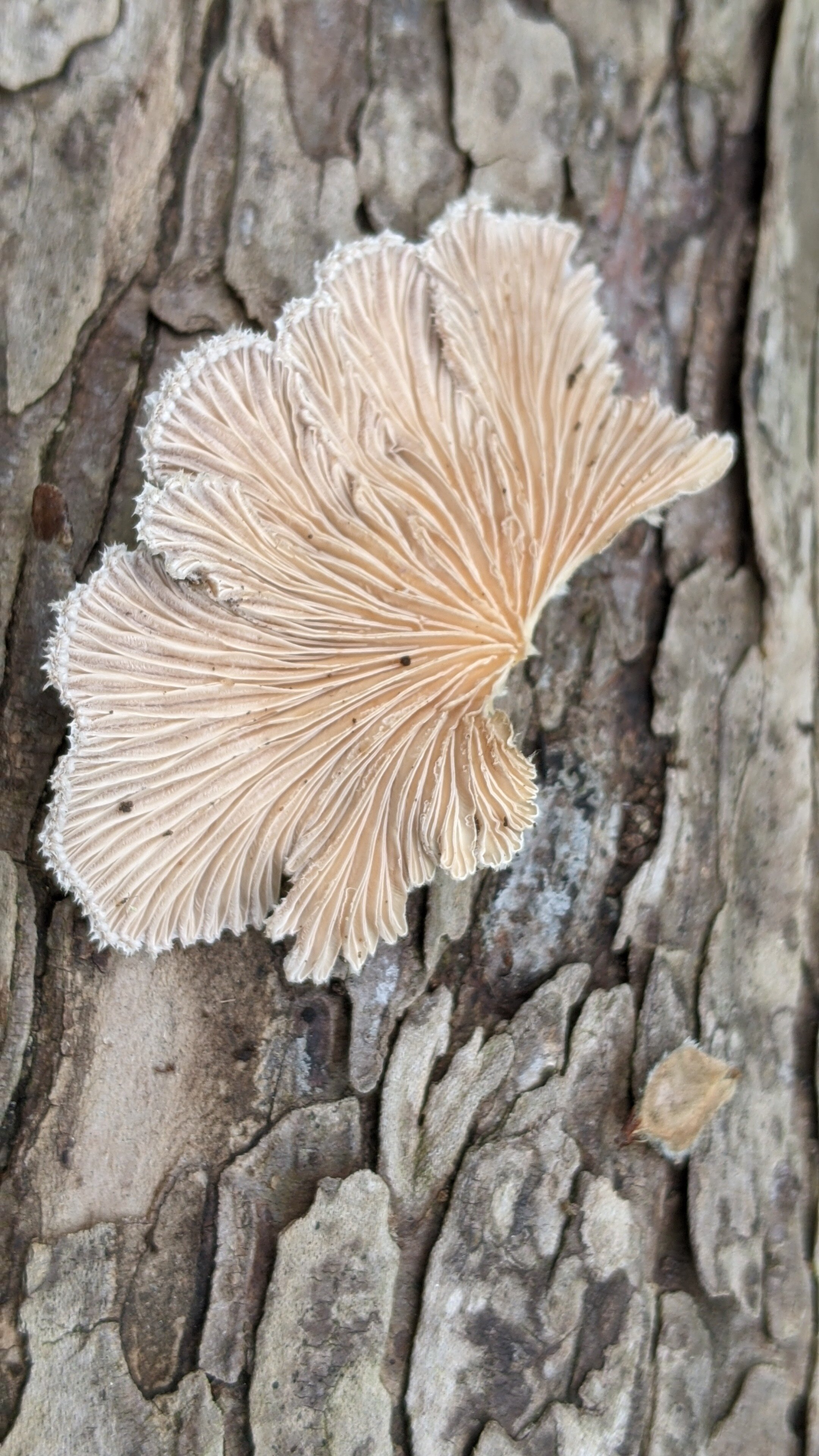
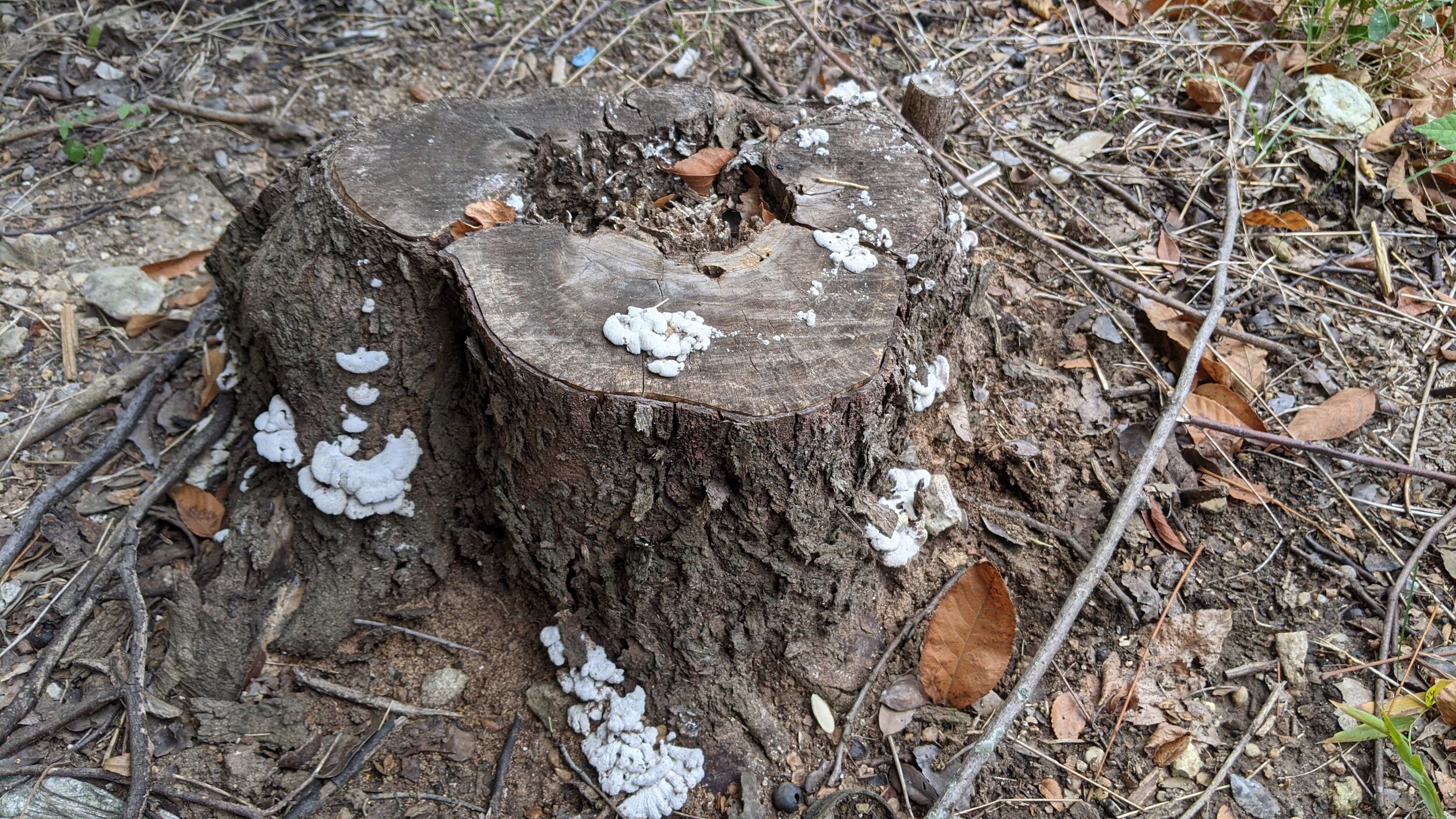
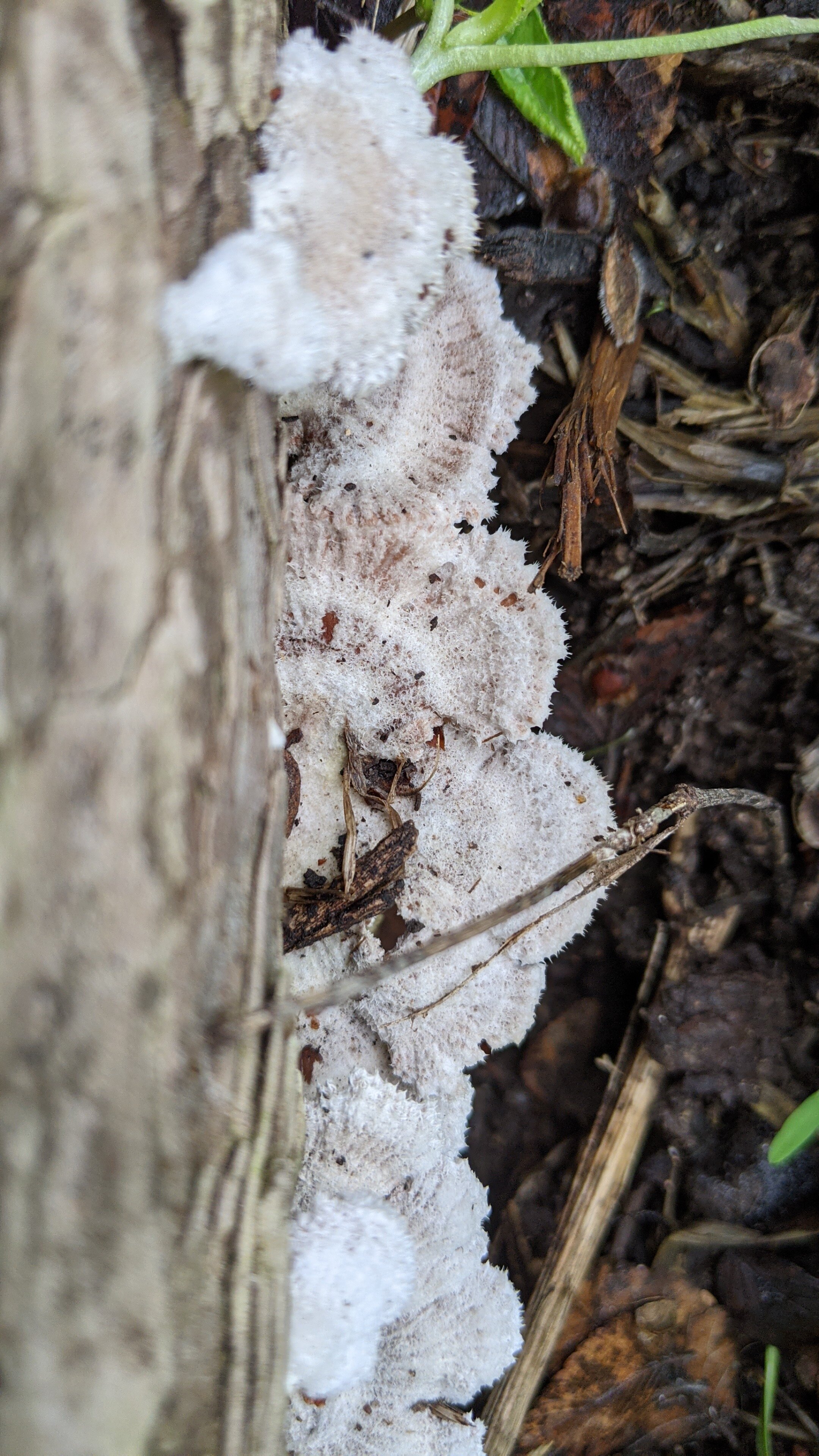
The Split Gill Mushroom, Schizophyllum commune was one of the beautiful mushrooms we spotted on the foray to kick-off the Zilker Mushroom Project this past weekend. It is super common and can be found decomposing logs and stumps. It can even dehydrate and rehydrate. The real show are the split gills on the underside of the mushroom.
The Split Gill Mushroom, Schizophyllum commune was one of the beautiful mushrooms we spotted on the foray to kick-off the Zilker Mushroom Project this past weekend. It is super common and can be found decomposing logs and stumps. It can even dehydrate and rehydrate. The real show are the split gills on the underside of the mushroom.
One of the most interesting things about S. commune is its system of sexual reproduction. Split Gill has acquired some genetic changes that give it a total of over 28,000 distinct sexes.
Don't get too close and sniff this mushroom tho. This fungi can colonize within human bodies!
Over the past several decades, numerous reports of infection caused by the Split Gill fungus have been reported in the medical literature. The most recent case study from an outpatient center involved a 25-year-old woman whose left foot showed symptoms of rashes, nodule formation, lesions, and pain. A skin biopsy was performed, and the isolated hyphae (fungal strands) were cultured for 7 days. DNA sequencing confirmed the culprit: the Split Gill fungus — Schizophyllum commune. (BMC Infectious Diseases, 2018.)
Since 1950, close to 100 cases of Schizophyllum-induced clinical disease have been reported in the literature. Illnesses include: sinusitis, allergic bronchopulmonary mycosis, bronchial mucoid impaction, pulmonary fungal ball, Schizophyllum asthma, pulmonary infiltrate with eosinophilia, chronic eosinophilic pneumonia, honeycomb lung, bronchogenic cysts, pulmonary nodules, and other pulmonary mycoses.
As you can see, the majority of infections target the lungs. Inhalation of spores seems to be a likely cause.
Despite all this, the Split Gill mushroom is used as a food, medicine, and tool for bioremediation around the world. This mushroom isn't commonly consumed in the US but in places like Mexico and elsewhere in the tropics. In Northeast India, in the state Manipur it is known as kanglayen and one of the favourite ingredients for Manipuri-style pancakes called paaknam. In Mizoram, the local name is pasi (pa means mushroom, si means tiny) and it is one of the highest rated edible mushrooms among the Mizo community.

PHOTOS: Texas Star Mushroom
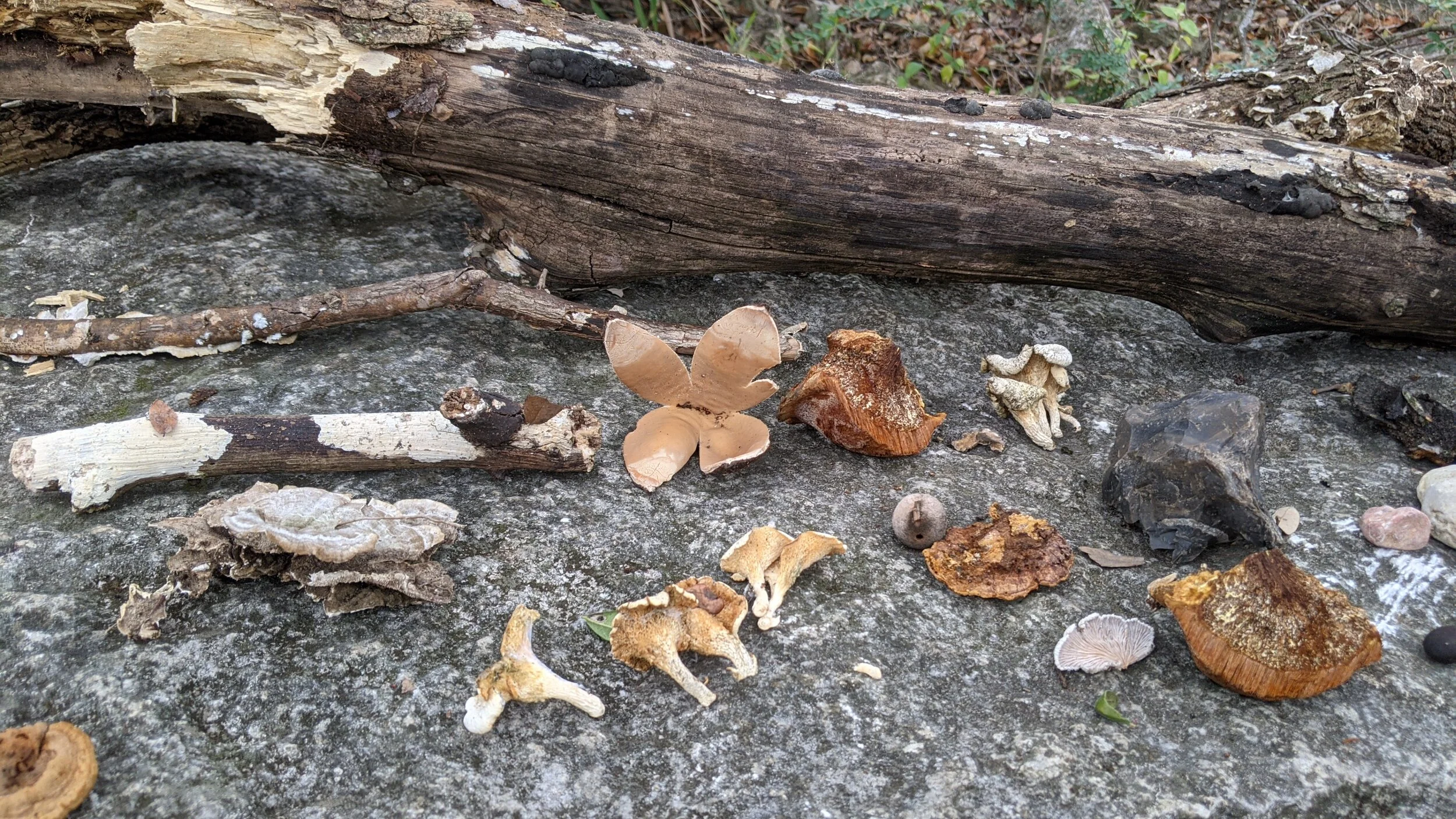
The Texas Stars came out for our Zilker Mushroom Project kick-off this afternoon. We saw it in its many forms, cigar all the way to full 6 points. They are found near dead cedar elms, which are all over Austin. Just look closely at the base of the dead stump for the cigar shape.
The Texas Stars came out for our Zilker Mushroom Project kick-off this afternoon. We saw it in its many forms, cigar all the way to full 6 points. They are found near dead cedar elms, which are all over Austin. Just look closely at the base of the dead stump for the cigar shape.
The Texas Star or Chorioactis geaster is only found in Central Texas area up into the Oklahoma border. It is also found in Japan and scientists do not know why this mushroom is only found in these two geographies or why it has a disjunct distribution. Genetic analysis has determined that the two populations have been separated for at least 19 million years ruling out the possibility of human introduction. Basically scientists have no idea why these two populations are separated by such distance.
We think this mushroom should be the Texas state mushroom. What do you all think?
Thanks to everyone that came out to help ID mushrooms within the Zilker study area. Anyone else can also participate by adding mushrooms they find in the Zilker Mushroom Project on iNaturalist.org.



December Featured Mushroom & Giveaway
Become a member of CTMS and be entered in a win a Grow-At-Home Oyster Kit !
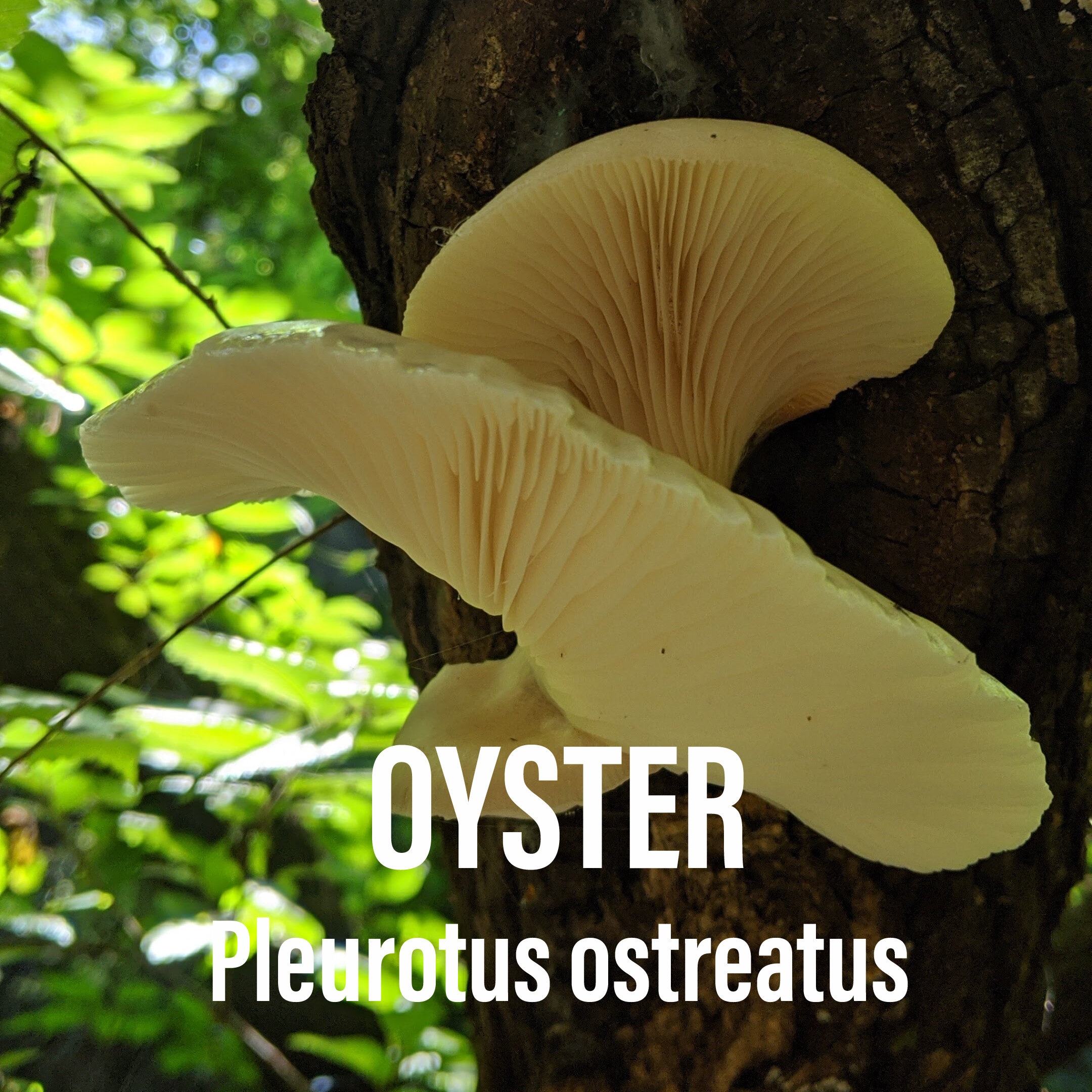
Hi-Fi Myco is Austin's first urban mushroom farm. This month's feature mushroom and giveaway is the local cloned variety of oyster mushroom Pleurotus ostreatus.
Hi-Fi Myco Oyster Mushrooms
Hi-Fi Myco is Austin's first urban mushroom farm. This month's feature mushroom and giveaway is the local cloned variety of oyster mushroom Pleurotus ostreatus. The mushroom's taste has been described as mild with a slight odor similar to anise. The oyster mushroom is frequently used in Japanese, Korean and Chinese cookery as a delicacy. It is frequently served on its own, in soups, stuffed, or in stir-fry recipes with soy sauce. Oyster mushrooms are sometimes made into a sauce, used in Asian cooking, which is similar to oyster sauce. Oyster mushrooms are available for purchase on their website for pick-up at the following Farmers Markets: Lakeline, Sunset Valley, Downtown, New Braunfels, and Mueller.
Become a member of CTMS and be entered in a win a Grow-At-Home Pink Oyster Kit ! (Winner will be announced in January.)

December Foraging Forecast
With the cool, rainy December weather look out for Snow Fungus, Tremella fuciformis. Sam and the crew found this beautiful jelly fungus during the Plant and Mushroom Walk at Circle Acres this past weekend. It has been cultivated in Asia for hundreds of years and is used in everything from desserts, soups, and cosmetic products.
With the cool, rainy December weather look out for Snow Fungus, Tremella fuciformis. Sam and the crew found this beautiful jelly fungus during the Plant and Mushroom Walk at Circle Acres this past weekend. It has been cultivated in Asia for hundreds of years and is used in everything from desserts, soups, and cosmetic products.
Keep an eye out for Oysters, Pleurotus ostreatus on dead black willows and oaks.
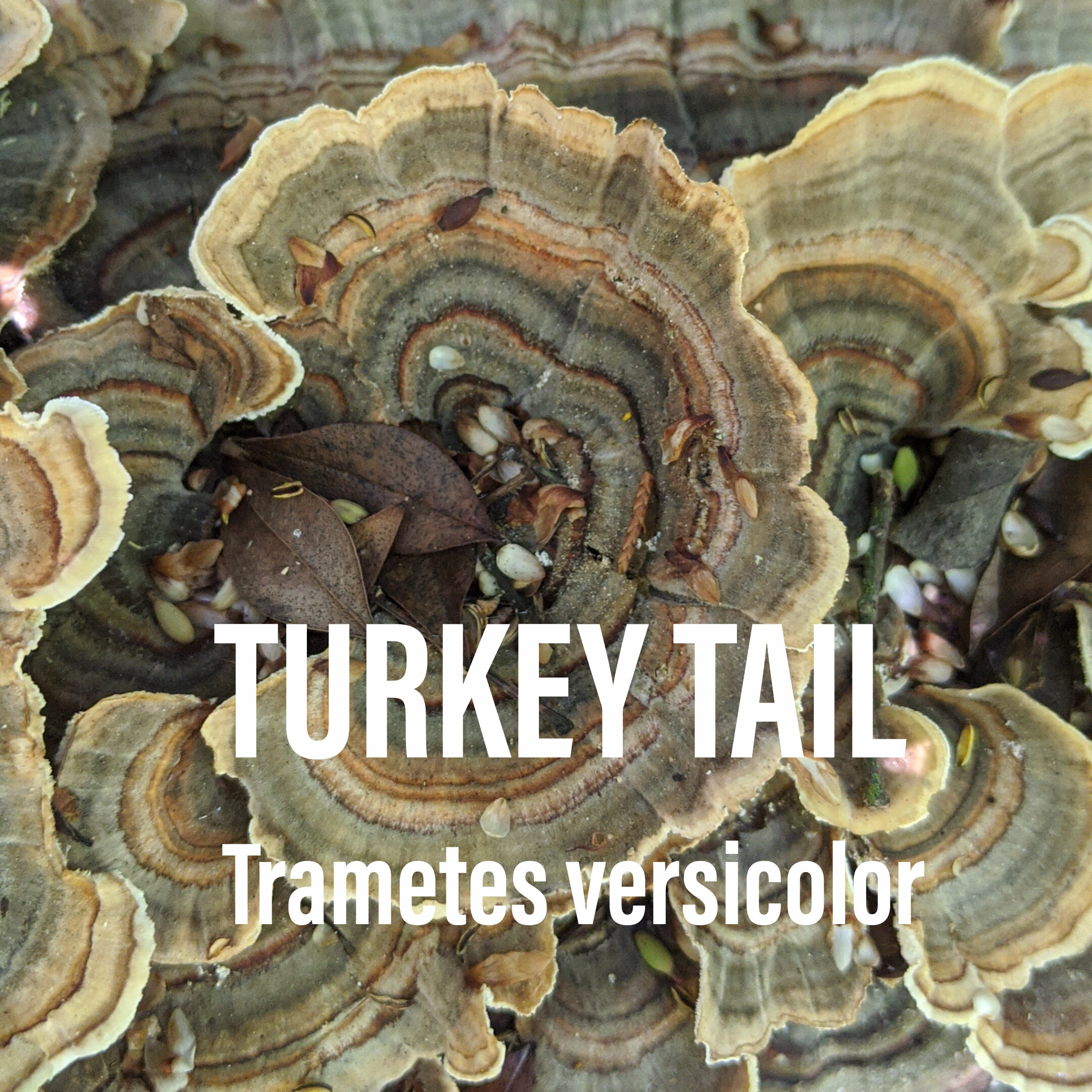
The medicinal mushroom Turkey Tail, Trametes versicolor is also flushing after rain. Make sure the underside is white because it looks a lot like False turkey tail.
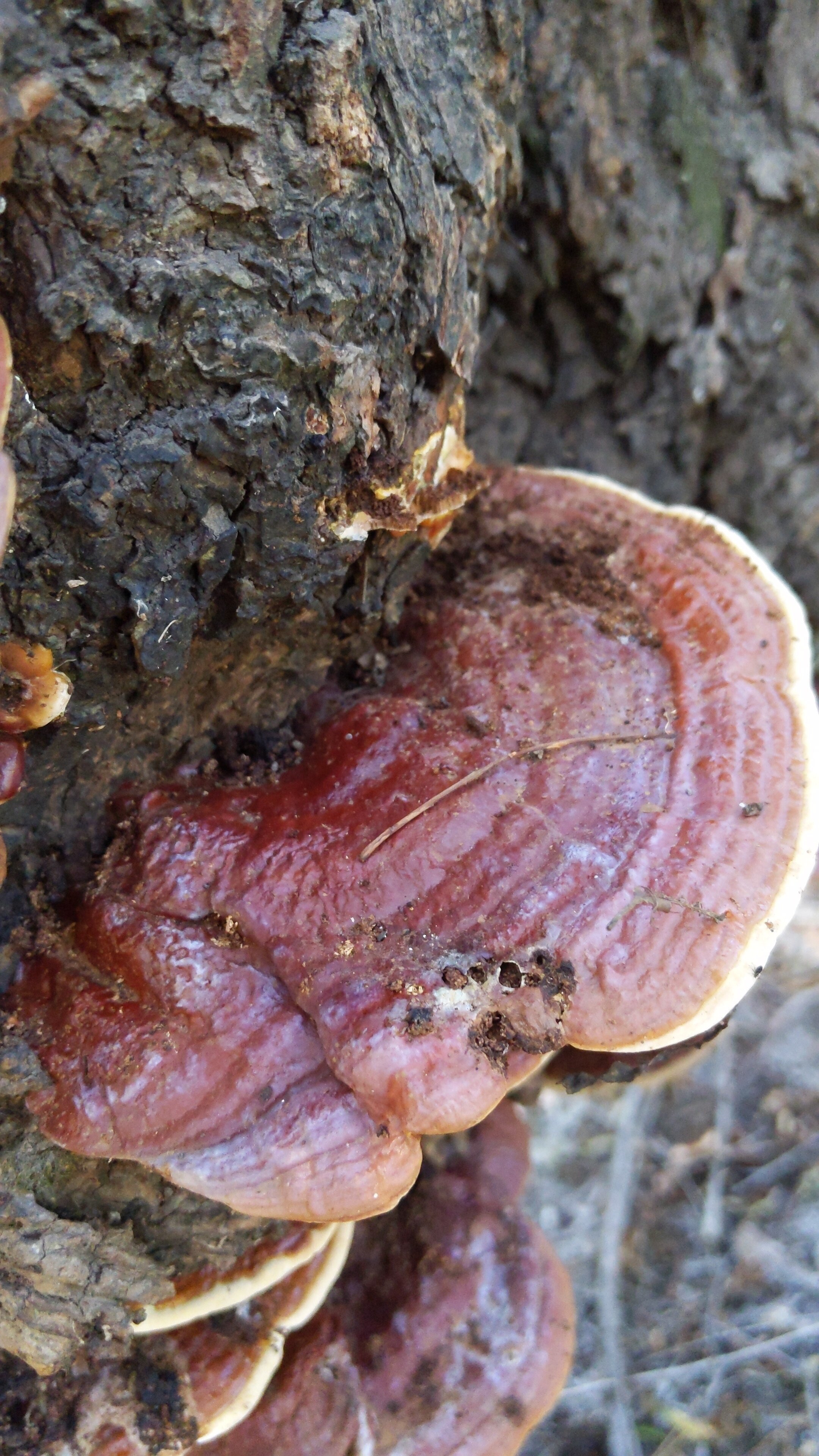
Look for Reishi, the "Mushroom of Immortality" or Ganoderma species on dying or dead Pecan trees. If the top of the shelf looks red and varnished and the underside is still white, it is still good to harvest for medicinal purposes.
As always, if you are trying a new mushroom, confirm the ID with an expert, then try a small amount to make sure you don't have an allergic reactions. Texas Mushroom Identification Facebook group is great for quick responses and ID help. Click images to learn more and to see where to find them! Also, don't forget to add your finds on the Mushrooms of Texas project on iNaturalist. Follow my adventures @forage.atx.



RECIPE: Mushroom and Kale Soup
When Austin finally gets some nice fall weather, take advantage of it with a delicious, hearty soup! ⠀
⠀
Make use of your @hifimycology mushrooms and curly kale from Josh Ruiz Farm in Alamo, TX for this creamy mushroom, kale, and root veggie soup. ⠀
Recipe provided by Farm to Table Texas.
When Austin finally gets some nice fall weather, take advantage of it with a delicious, hearty soup! ⠀
⠀
Make use of your Hi-fi Myco mushrooms and curly kale from Josh Ruiz Farm in Alamo, TX for this creamy mushroom, kale, and root veggie soup. ⠀
⠀
What you need: ⠀
⠀
🥄 2 tsp Olive oil⠀
🥄 1/2 Yellow onion, diced⠀
🥄 2 Assorted Hi-fi Myco mushroom boxes, chopped⠀
🥄 5 cloves Garlic, minced⠀
🥄 3 tbsp Butter⠀
🥄 4 tbsp Flour⠀
🥄 3 cups Whole milk, room temp⠀
🥄 5 cups Chicken or vegetable stock⠀
🥄 1 tsp Thyme⠀
🥄 1 tsp Crushed red pepper, adjust to taste⠀
🥄 1 Bay leaf⠀
🥄 Root vegetables of your choosing, 1 diced Sakura Purple sweet potato used in this recipe⠀
🥄 1 bunch Curly kale, chopped⠀
🥄 Salt + pepper to taste⠀
⠀
What to do: ⠀
⠀
Add the olive oil to a large pot over medium heat. Then add the diced onion and cook until translucent.⠀
⠀
Add the mushrooms and cook, stirring occasionally for 5 - 10 minutes or until well-browned. Season with salt and pepper.⠀
⠀
Add garlic and butter and cook until the garlic is fragrant and the butter is melted.⠀
⠀
To make a roux, sprinkle the flour over the vegetables and toss to coat. Stir for 1-3 minutes. It should be thick. ⠀
Add the milk to the flour, little by little, fully incorporating until all the milk is added. Taste and season with salt and pepper.⠀
⠀
Add the chicken stock, thyme, crushed red pepper, and bay leaf. Bring to a very low boil and add the potatoes. ⠀
Reduce heat and simmer for 20 minutes or until the potatoes are almost fork-tender. ⠀
⠀
Add the kale and stir to fully incorporate. Cook for 10 minutes until tender. Fin!⠀


November Membership Giveaway
New members this month will be entered to win this new mushroom field guide devoted to the nearly 1,400 mushroom species found in the five-state Gulf Coast region— including Central Texas. With more than 650 color illustrations and dichotomous identification keys that will delight foragers, cooks, and scholars alike.
Mushrooms of the Gulf Coast States
By Alan E. Bessette, Arleen F. Bessette, and David P. Lewis, UT Press
New members this month will be entered to win this new mushroom field guide devoted to the nearly 1,400 mushroom species found in the five-state Gulf Coast region— including Central Texas. With more than 650 color illustrations and dichotomous identification keys that will delight foragers, cooks, and scholars alike.
Even more... We have plans in-the-works to have one of the authors, David for a guest lecture.
Become a member of CTMS and be entered in a win this field guide!
(Winner will be announced in December. Drawing will include all CTMS members.)


November Foraging Forecast
Chicken-of-the-Woods, Laetiporus sulphureus will continue to flush on older, Live Oaks. I was finding them into November but make sure they are still moist on the inside. We found some during the Halloween foray that were already past their prime. They can be mealy and hard to eat if they are not moist on the inside and soft and fleshy on the outside.
Chicken-of-the-Woods, Laetiporus sulphureus will continue to flush on older, Live Oaks. I was finding them into November but make sure they are still moist on the inside. We found some during the Halloween foray that were already past their prime. They can be mealy and hard to eat if they are not moist on the inside and soft and fleshy on the outside.
We found some Oysters, Pleurotus ostreatus flushing on dead black willows as well so keep a look out for this choice edible
The medicinal mushroom Turkey Tail, Trametes versicolor is also flushing after rain. Make sure the underside is white because it looks a lot like False turkey tail.
Ringless Honey Mushroom, Desarmillaria tabescens have also been popping up all over Austin in large clusters at the bases of trees (when the clusters appear to be terrestrial they are actually growing from underground wood) in late summer and fall. This parasitic fungus is part of a genus that is the largest living organism ever found on this planet.
As always, if you are trying a new edible mushroom for the first time, confirm the ID with an expert, then try a small amount to make sure you don't have an allergic reactions. Texas Mushroom Identification Facebook group is great for quick responses and ID help. Click images to learn more and to see where to find them! Also, don't forget to add your finds on the Mushrooms of Texas project on iNaturalist. Follow my adventures @forage.atx.


PHOTOS: Halloween Foray @ Circle Acres
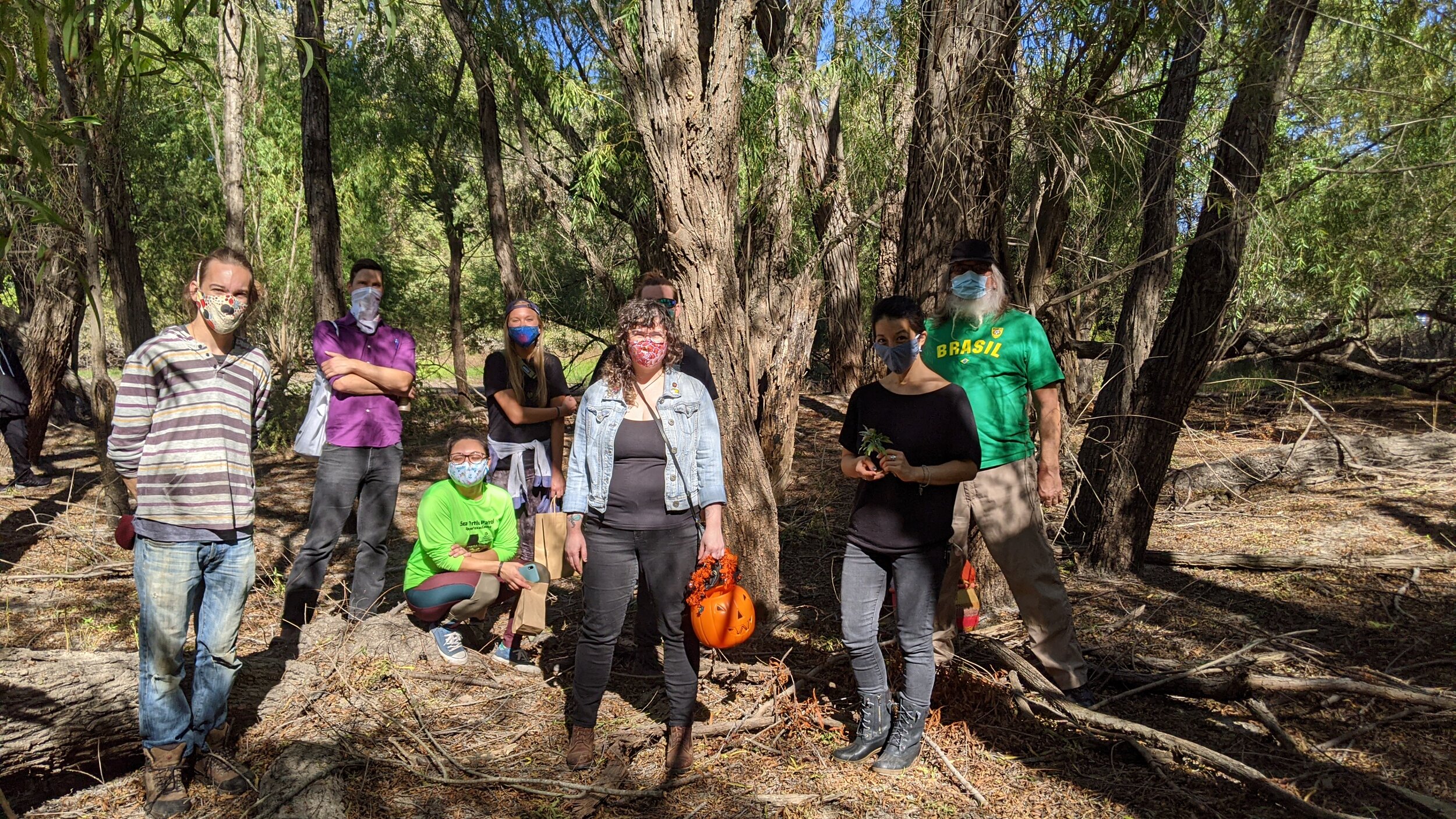
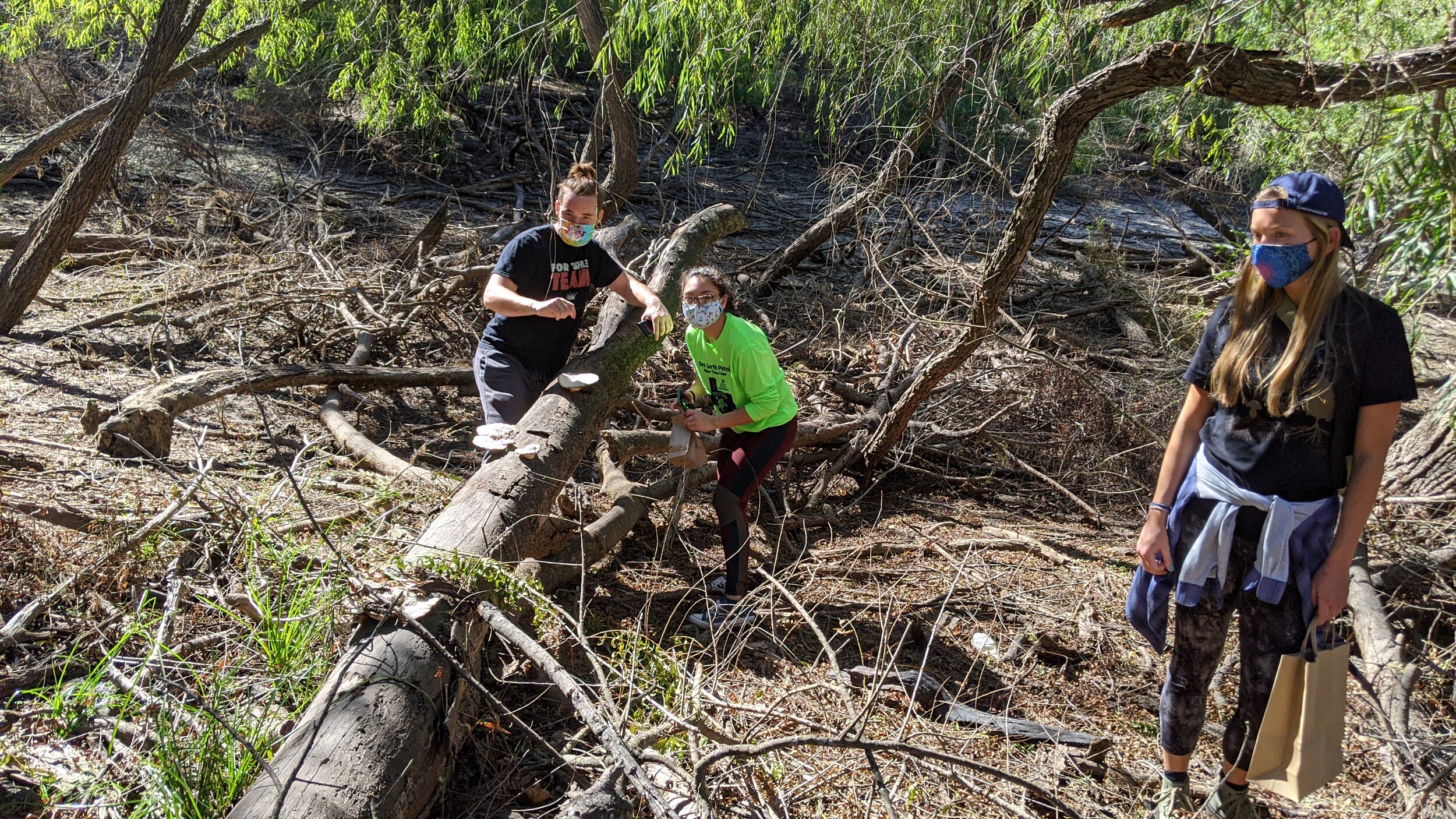
Foray hooray! It was so lovely meeting everyone and see happy mushroom hunters IRL. Yesterday we found and identified several of mushrooms at the members only Halloween foray! We are planning another one at Zilker Botanical Garden in the near future so keep dancing for rain!
🍄🎃💀Foray hooray! It was so lovely meeting everyone and see happy mushroom hunters IRL. Yesterday we found and identified several of mushrooms at the members only Halloween foray! We are planning another one at Zilker Botanical Garden in the near future so keep dancing for rain! 🌧️💃
If you were there, feel free to add your photos on iNaturalist in Circle Acres and Mushrooms of Texas projects.
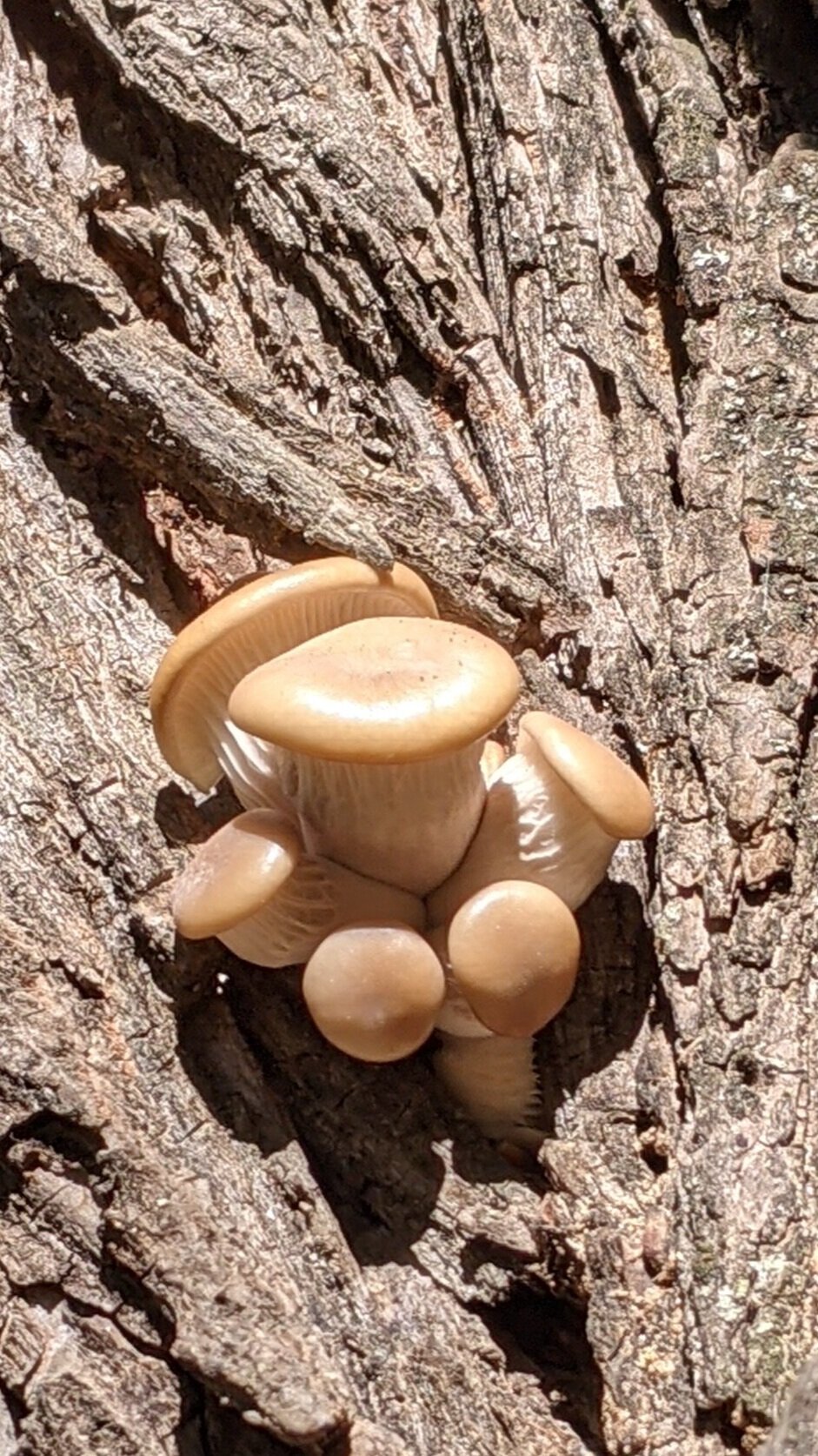
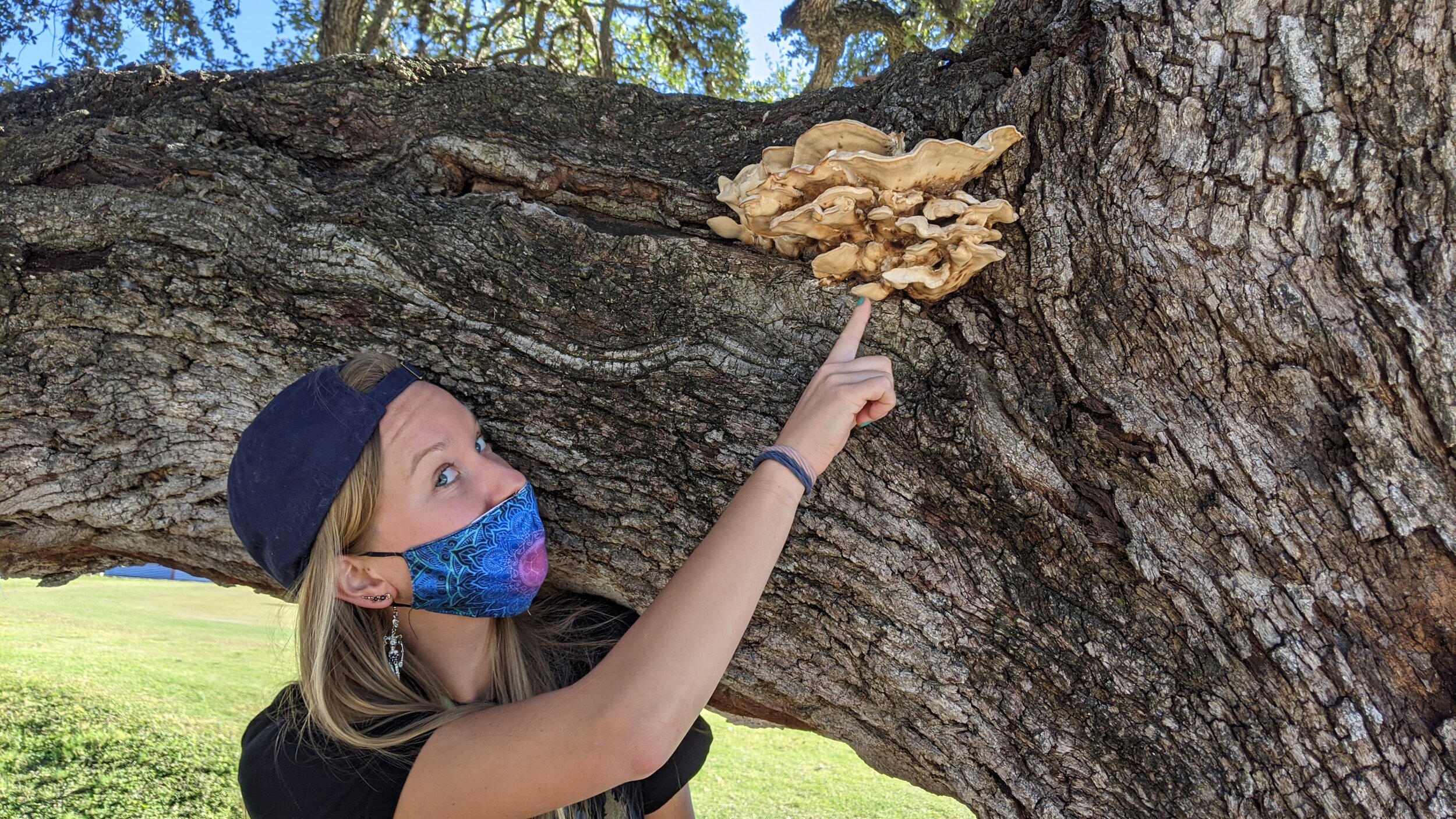
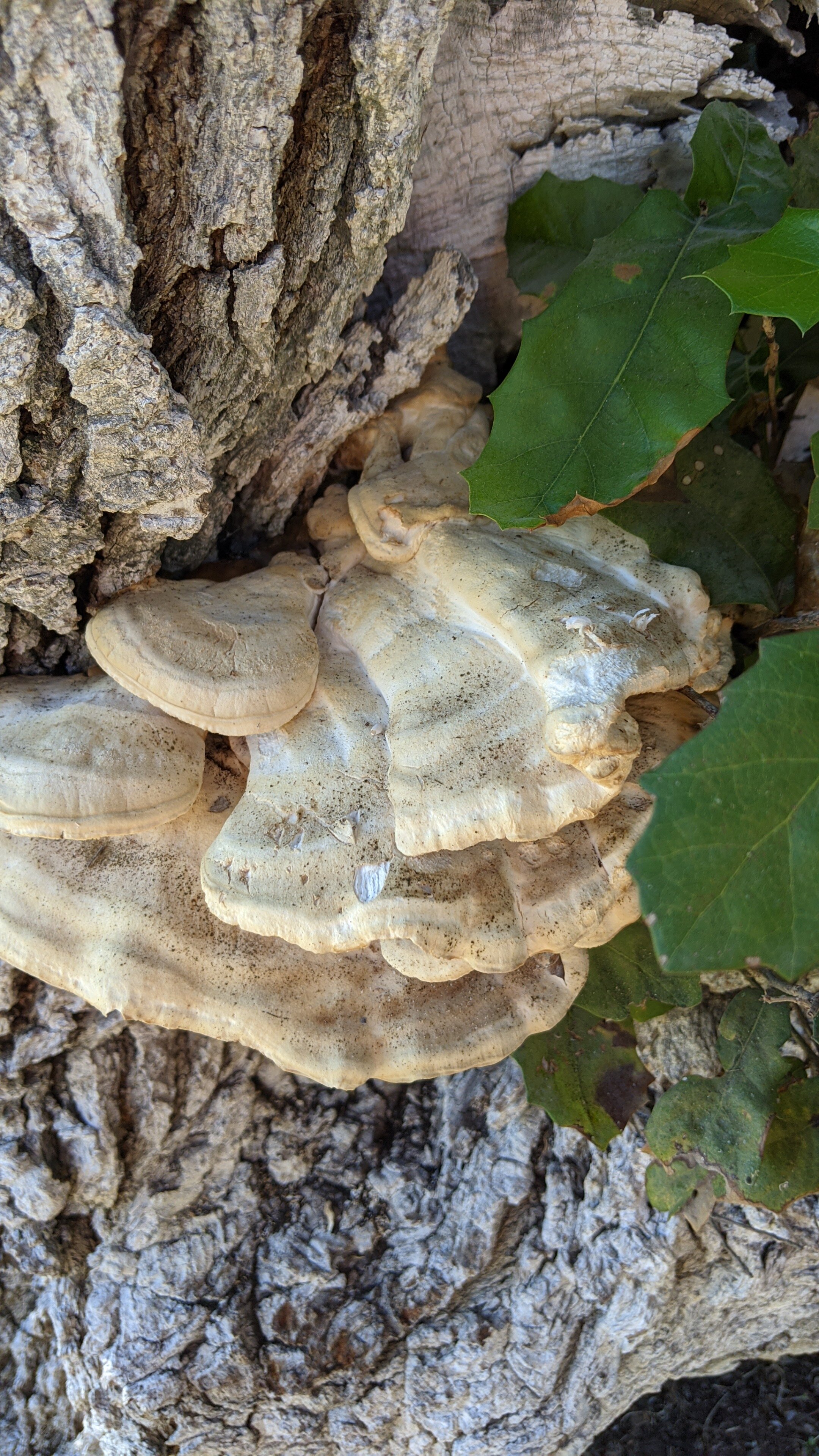
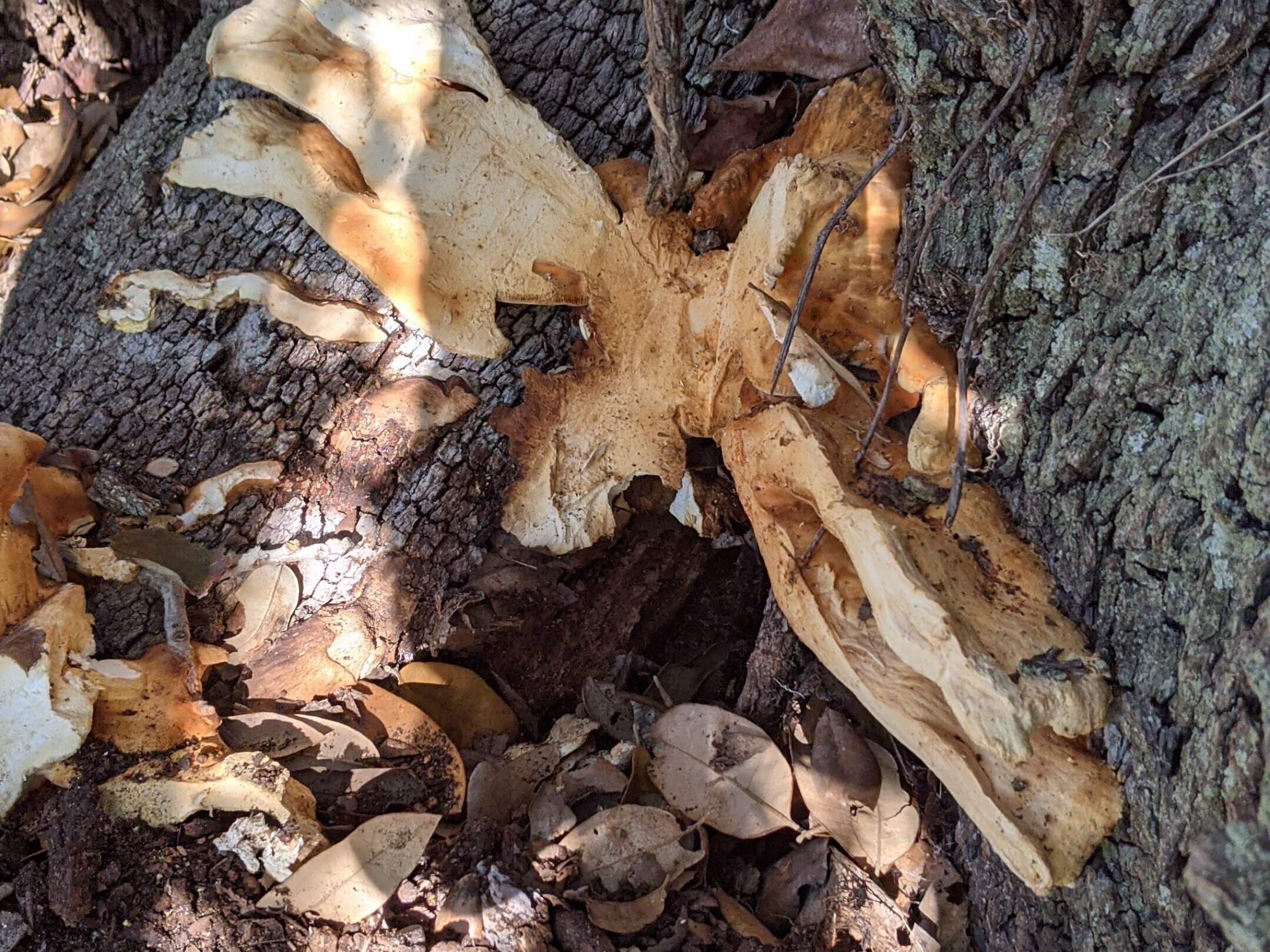
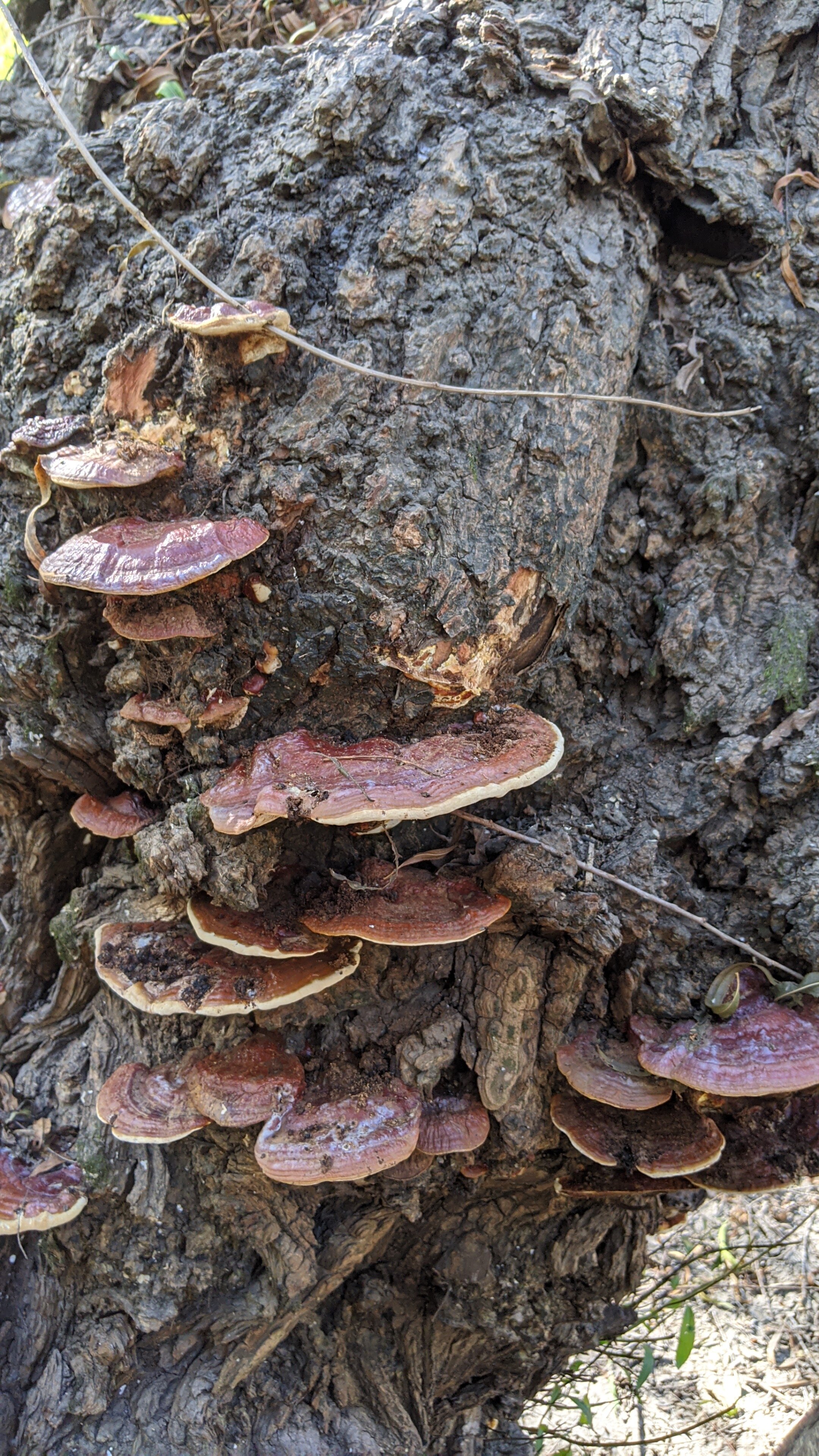
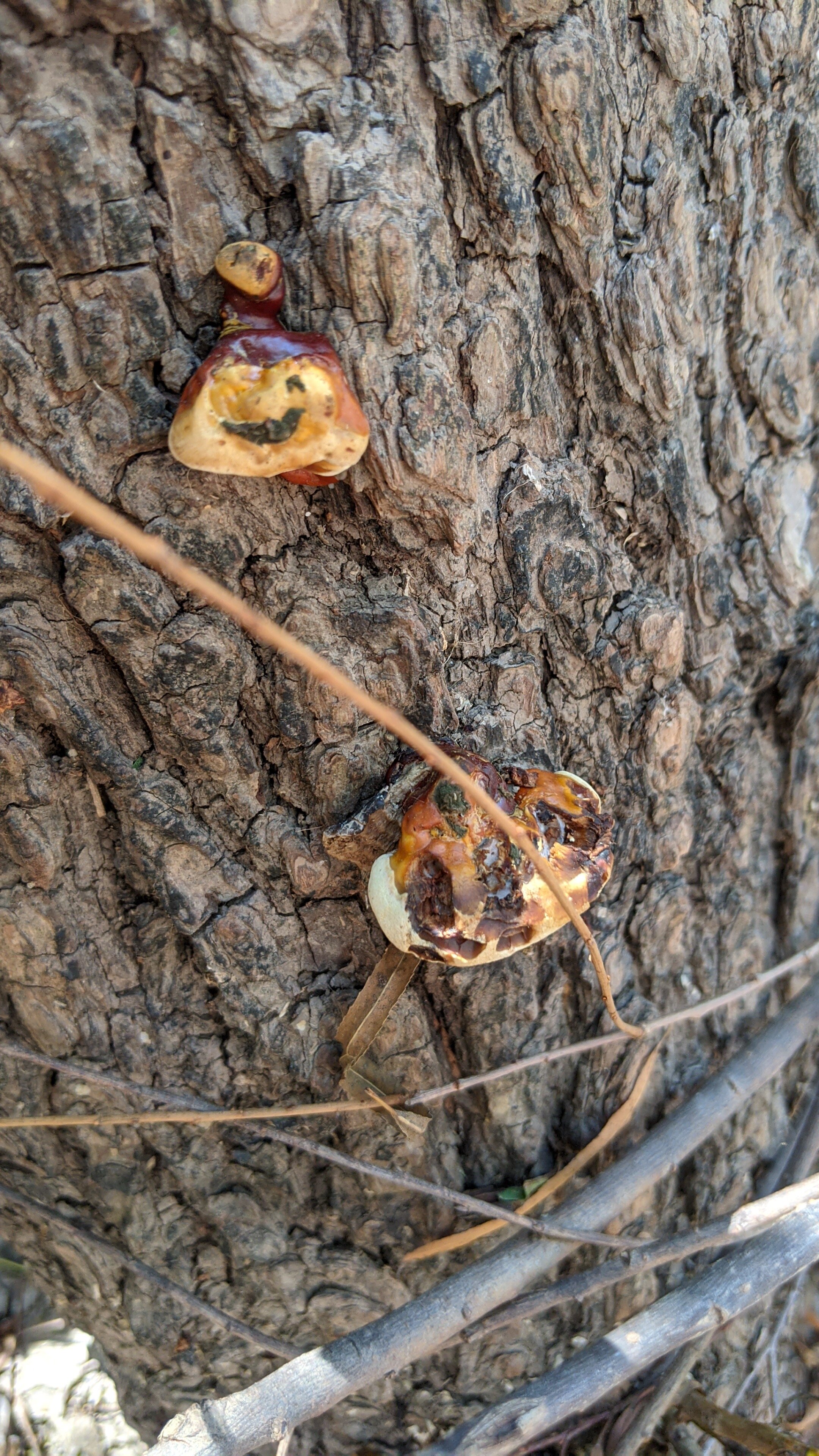
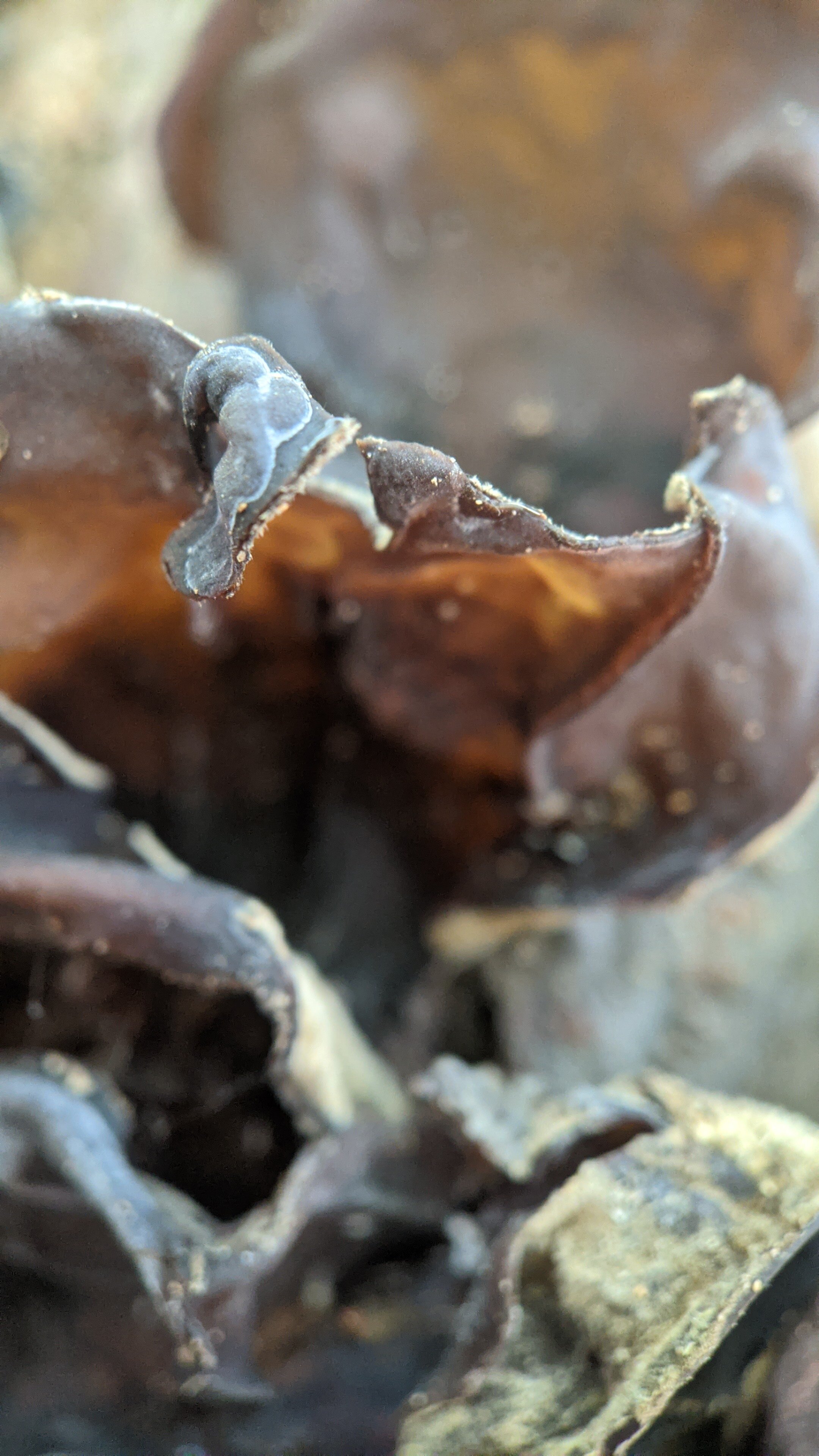
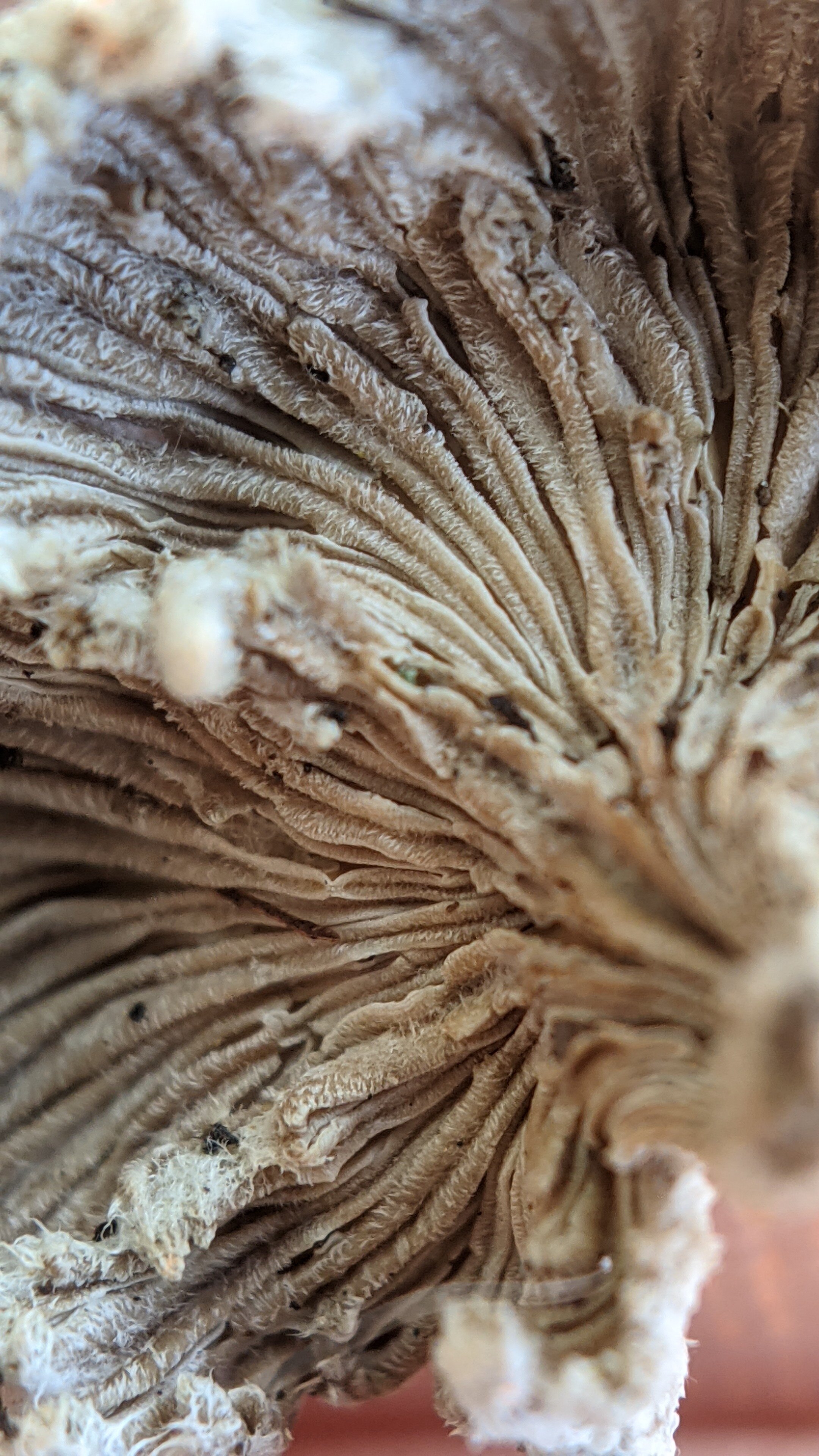

Structure and Function Relationships in the Fungal Kingdom
Nature is full of amazing shapes and structures, these shapes are arranged in specific ways which grant them the ability to perform a very specific task, allowing an organism to function correctly. The way that something is put together determines how it will be used. These structures are diverse and play different roles in different organisms
Nature is full of amazing shapes and structures, these shapes are arranged in specific ways which grant them the ability to perform a very specific task, allowing an organism to function correctly. The way that something is put together determines how it will be used. These structures are diverse and play different roles in different organisms. Diversity in nature arises through Natural selection, the process by which organism populations adapt and change over a long period. In the Fungal Kingdom structure and function relationships can be observed in many instances, especially in the ways that spore dispersal is achieved.
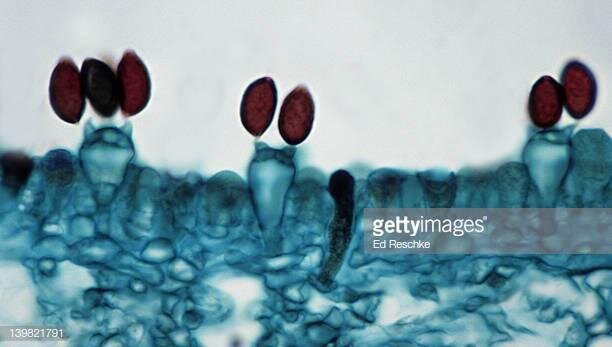
Fungi are a eukaryotic organism that absorbs nutrients from the world around them, using threads of long structures called hyphae, which then come together to form a larger network called mycelium. During the fungi’s life cycle, the hyphae will develop into mature structures, often seen above ground as mushrooms, that are capable of reproducing and dispersing spores. Spores are the single cells that contain all of the genetic information the fungus needs to start forming it’s on mycelial network, think of them as seeds to an apple. According to An Abbreviated Guide to the Mushrooms of Massachusetts “There are two types of spore-producing cells: asci and basidia. In asci, the spores are fully contained within an outer covering. When the spores mature, the tip of the ascus breaks open and the spores are released. In basidia, the spores are produced externally. The spores are released when they break off.”

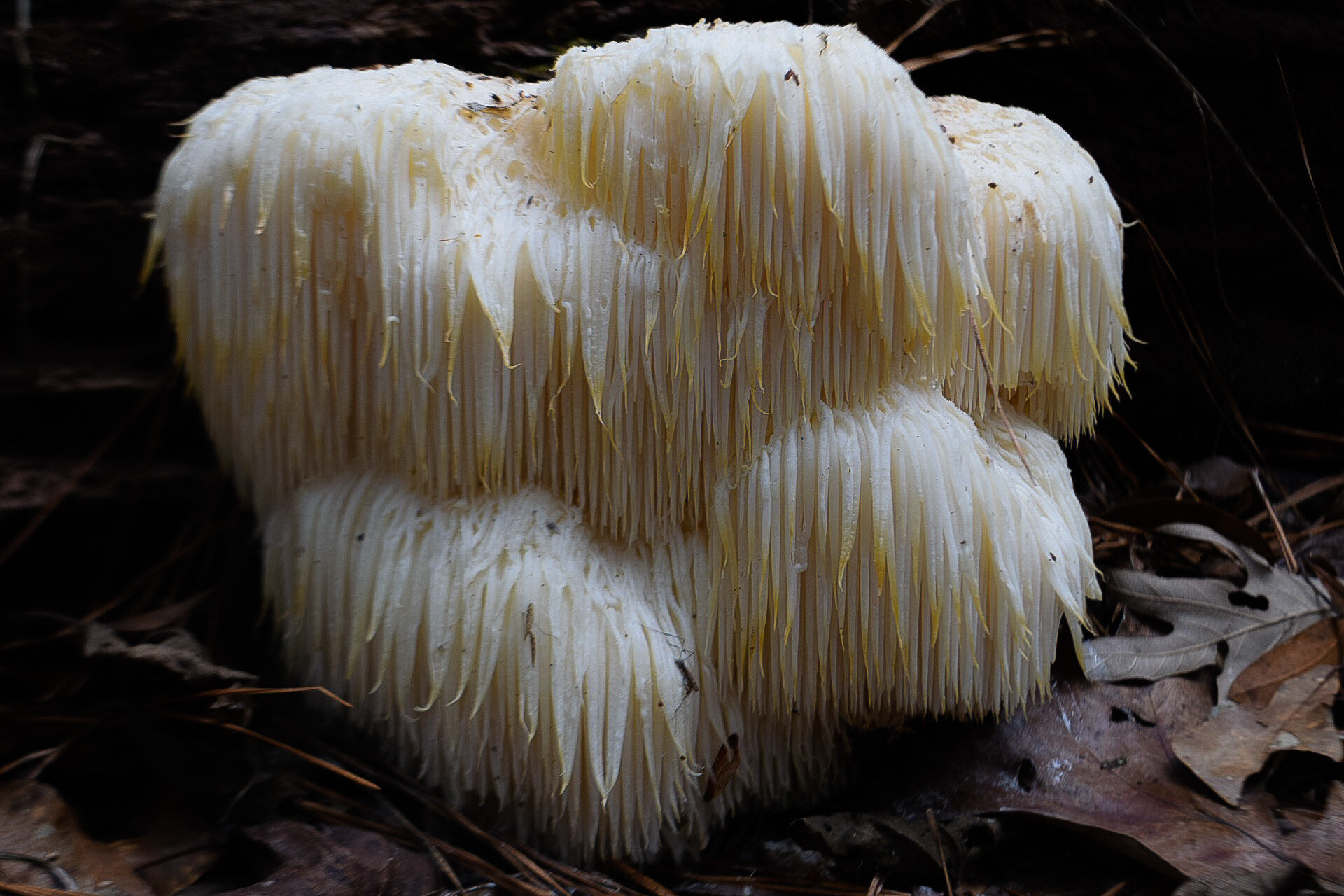
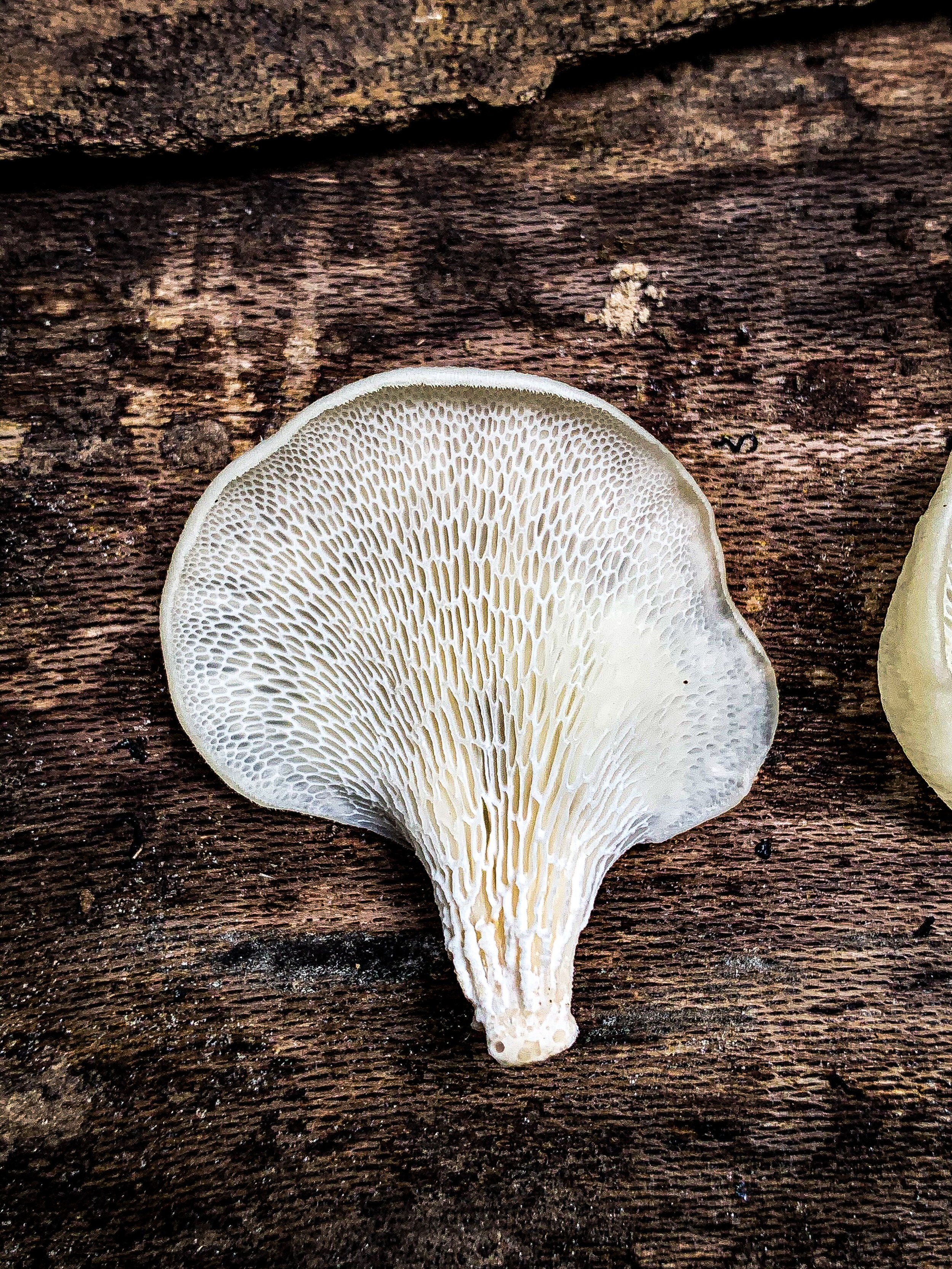
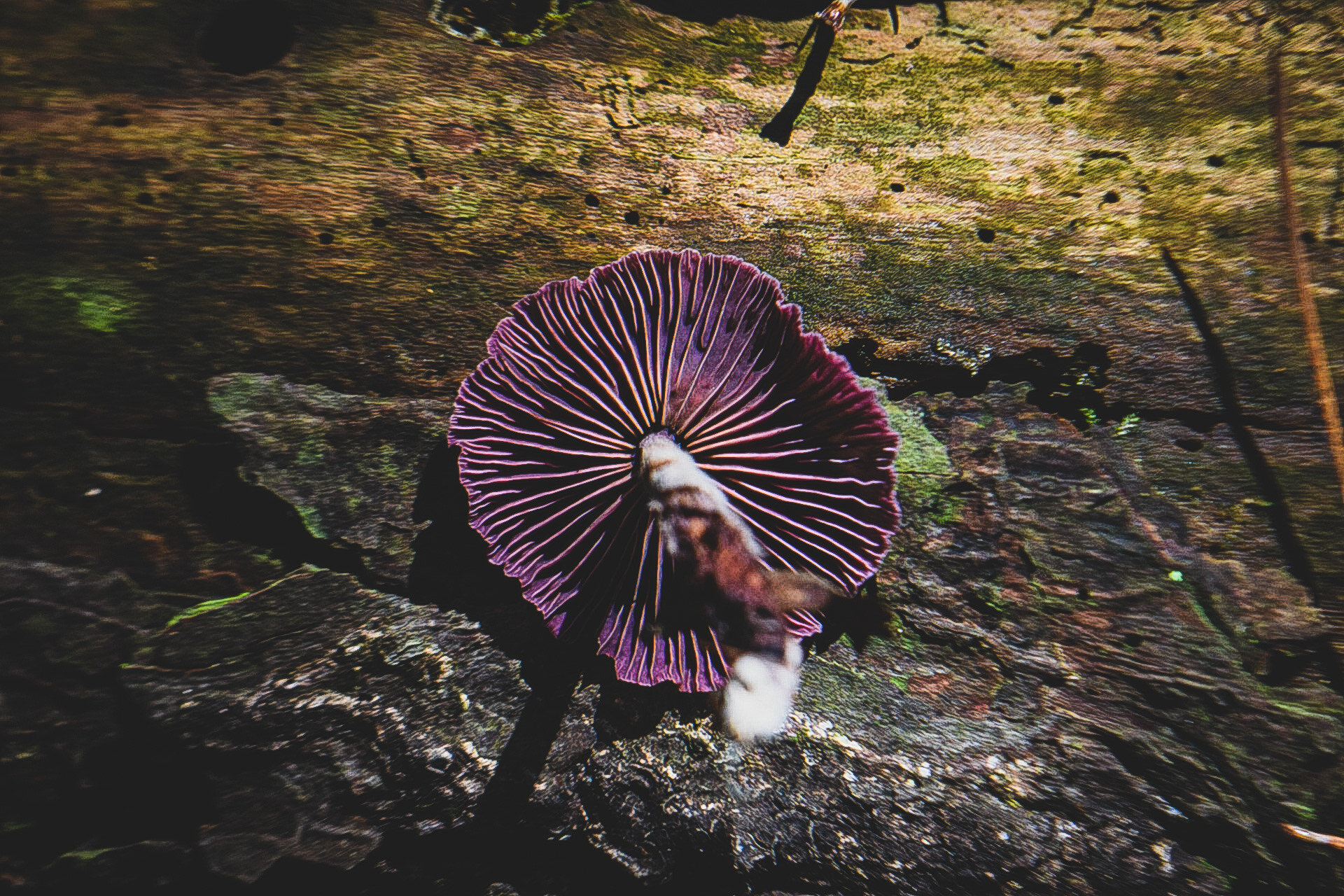
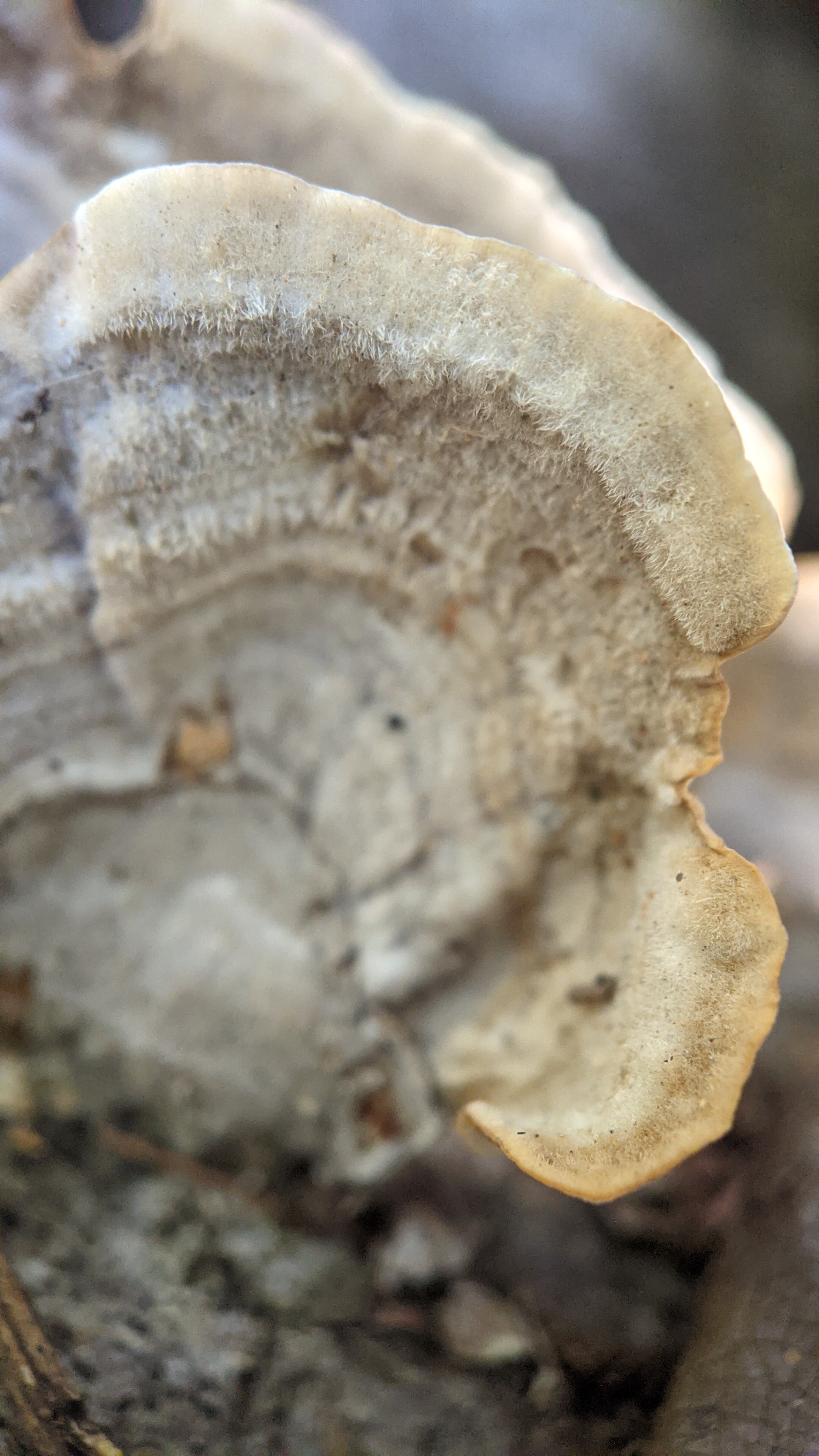
The main function and task of a mushroom is spore dispersal, one of the main structures they use to achieve that are called hymenium. The hymenium is a broad flat structure that produces spores. The hymenium can be found on different types of structures that different species produce, such as gills, pores, and even teeth. Some mushrooms don’t use those methods at all. Some species like chanterelles have false gills or folds under their caps, which are often smooth and are used to drop the spores from. Stinkhorn fungi use a foul-smelling jelly-like substance that covers the top of the mushroom, flies are attracted to this and spread the spores after landing on the mushroom. Puffball mushrooms disperse their spores using a small pore in their top called an ostiole. Also, the hymenium of coral fungi occurs as a small layer that covers all of the branchings of the fungus, spores will just drop from where they grow. (1)
One of the most prolific ways that mushrooms produce hymenium is through gills. Gills or lamellae are thin, flat, plate-like structures that form vertically under the cap and spread outward from a single point. Some species form a single array of gills, while others form stacks of lamellae between the main gills, gills that branch from one another are also common. The fungus forms these structures to maximize the surface area of the hymenium, allowing the mushroom to produce more spores which give it a higher chance of reproducing. “Relative to spore production over a flat surface, gills achieve a maximum 20-fold increase in surface area. The branching of gills produces the same increase in surface area as the formation of freestanding lamellulae.” (2) The space between the gills is also important for successful spore dispersal. Once the spores are formed the fungus uses a process called bellistospory to eject the spurs from the hymenium's surface. They are able to eject the spores from the surface of the lamellae by a structure referred to as the surface tension catapult. (3) If the spores don’t get shot far enough they fall onto the lower portions of the gill or if they shoot too far they land on the side of another gill. The benefit of a system of spore dispersal like this is shown by the staggering production of spores from lamallate fruiting bodies. Under perfect conditions a single Agaricus campestris can release 31,000 spores per second, or 2.7 billion spores per day. (4)
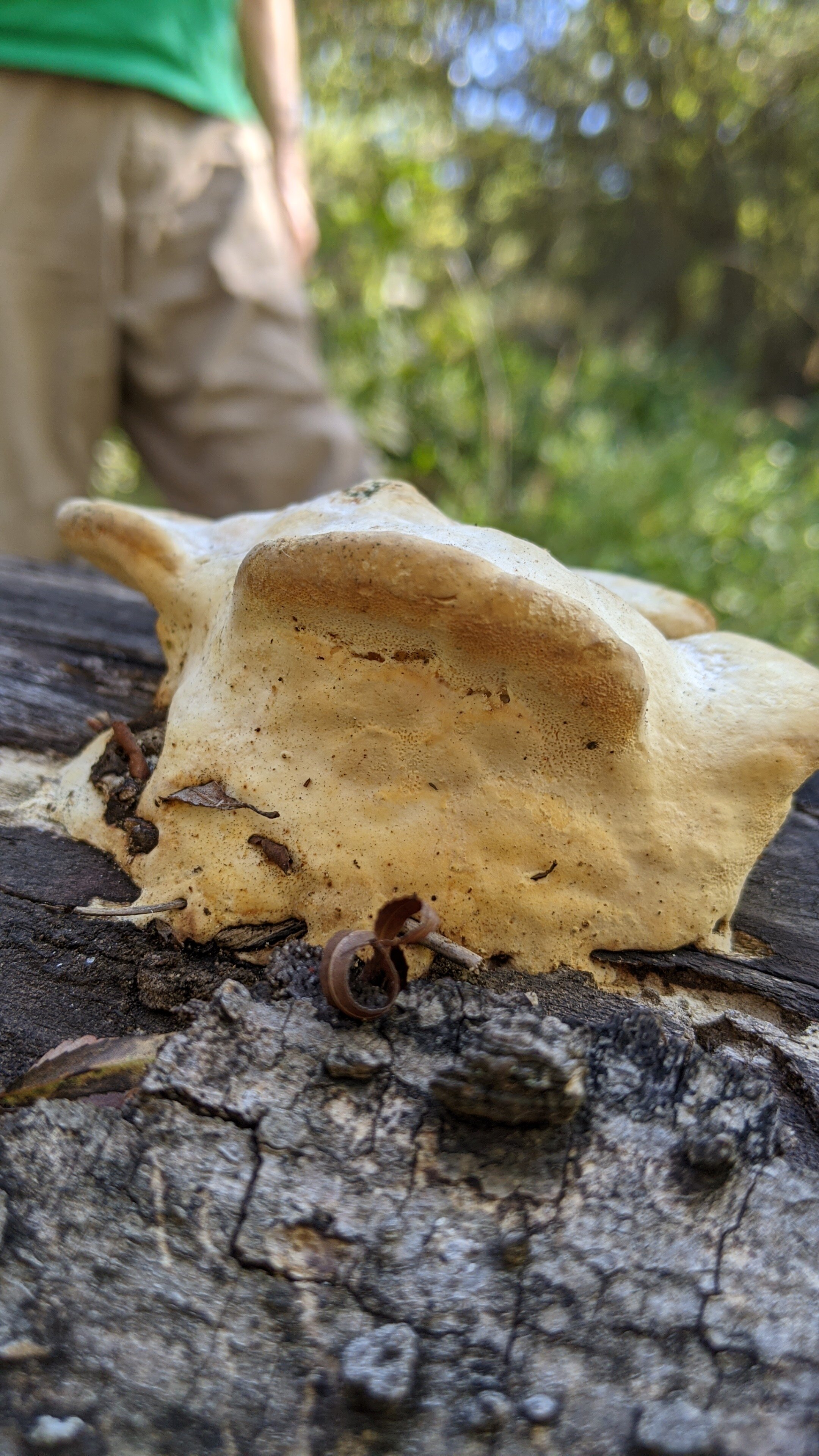
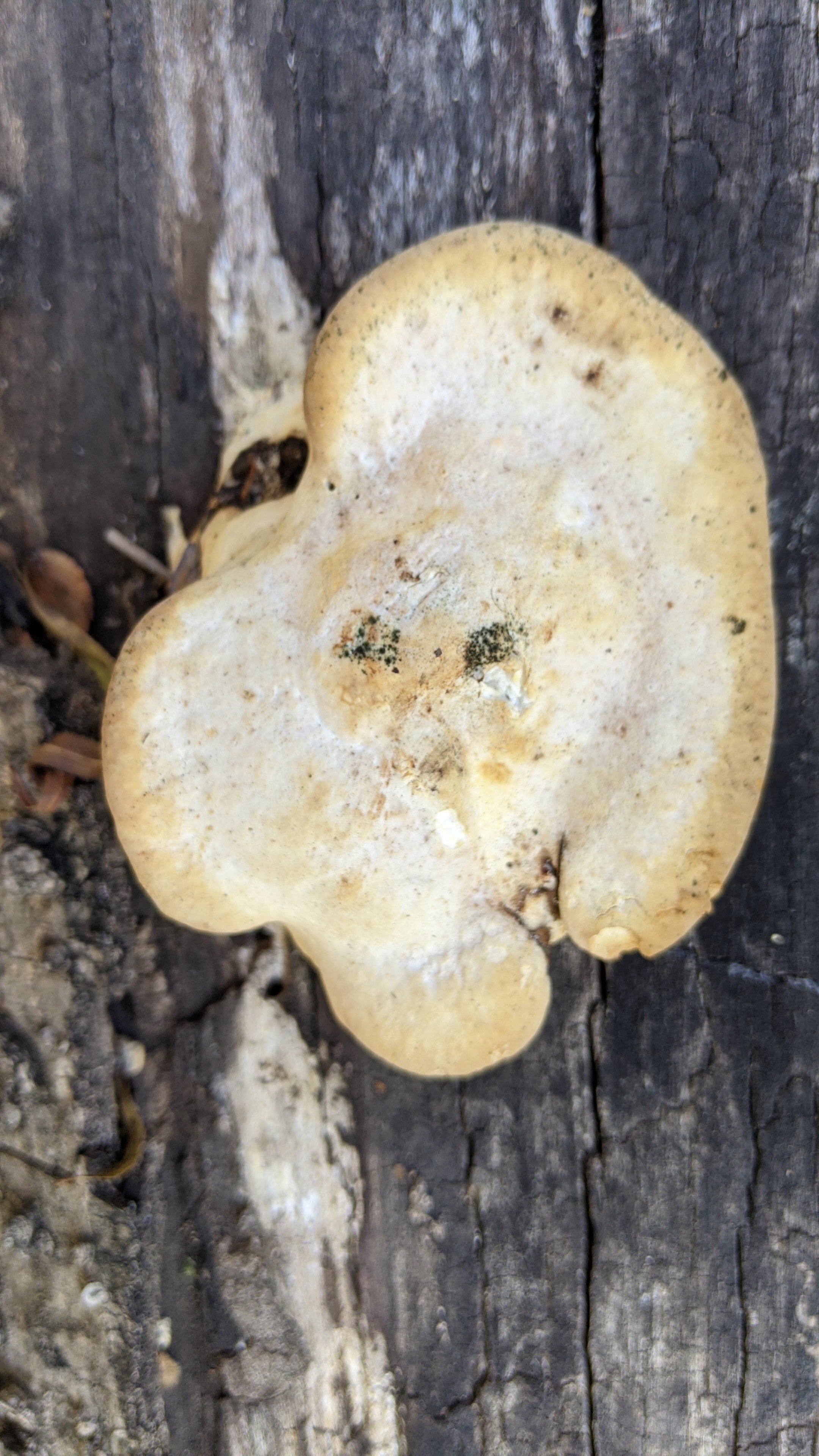
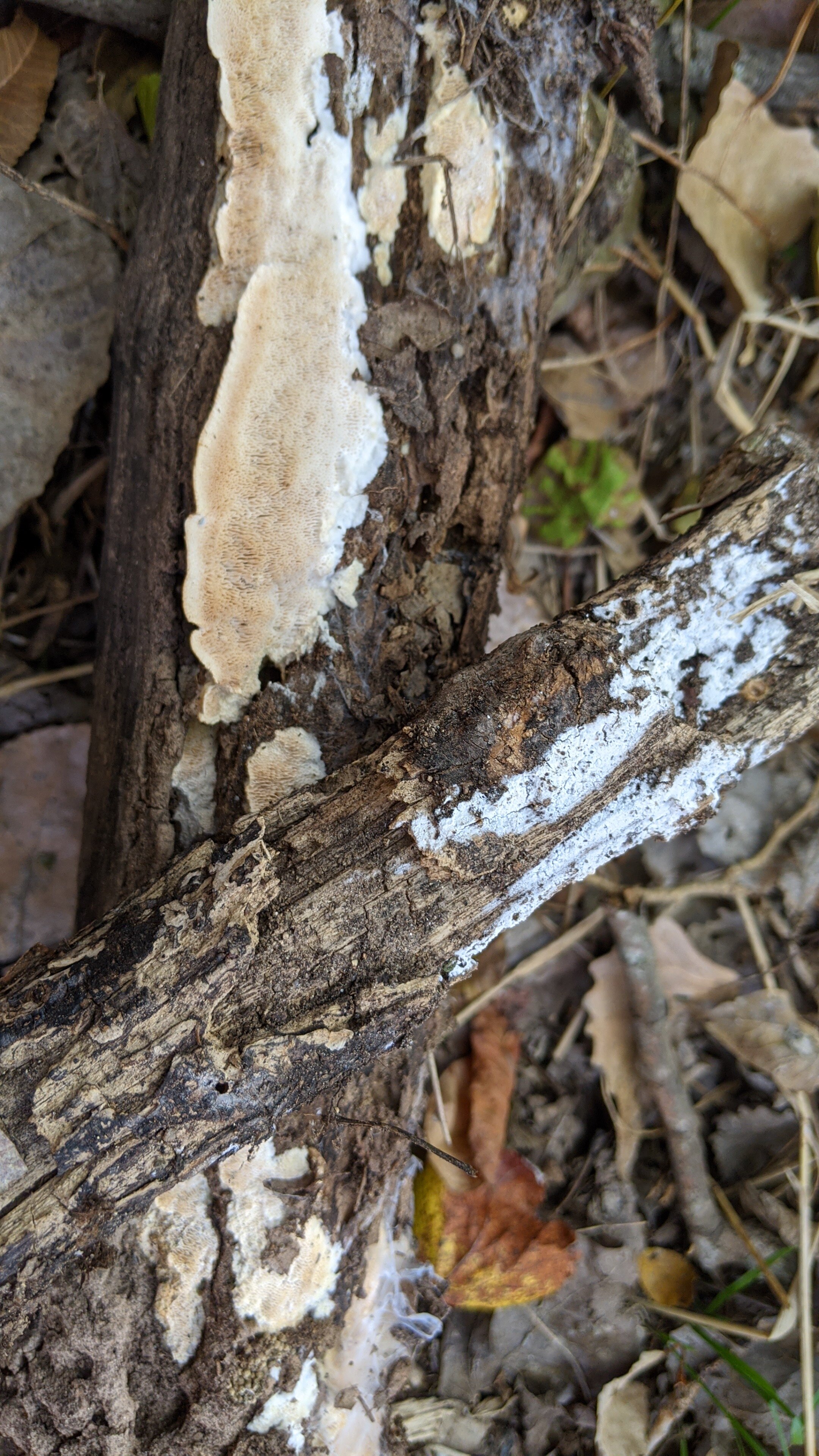
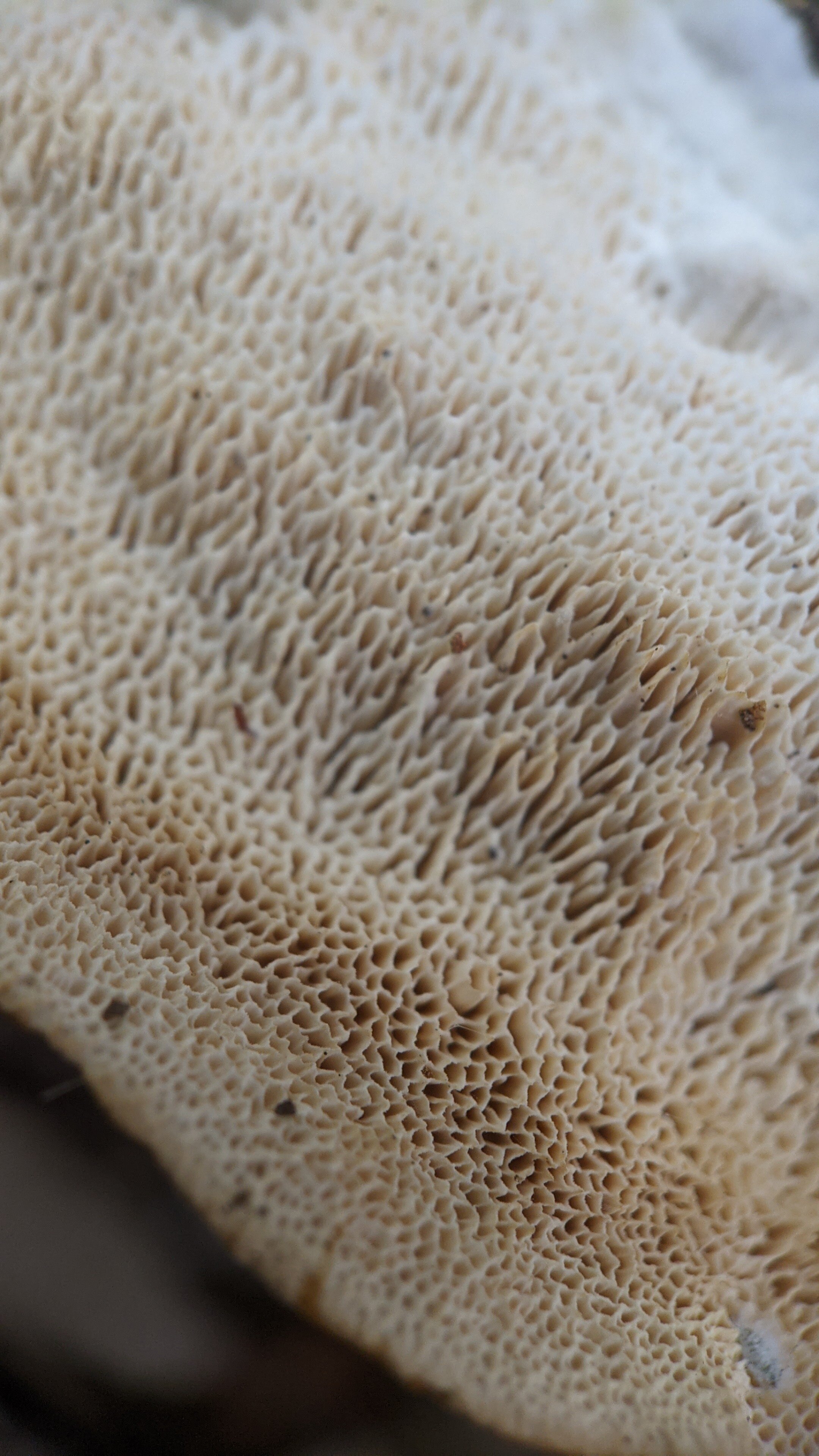
As stated above gills are not the only structure that hymenium can use for spore dispersal. Many mushrooms especially those in the Bolete and Polypore groups form hymenium that are covered in small holes, or pores. The pores are long tube-like structures that form in the mushroom cap. The spores are formed on the inside of the hymenium tube where they will eventually be released and fall down out through the pore and into the air. Pores are not always circular and sometimes the walls between hymenium will join together and be longer and be more closely packed together, this creates diamond and even honey-comb shaped patterns. Some polypores, like the aptly named Daedalea quercina, have elongated pores that result in a maze-like pore surface. (5)
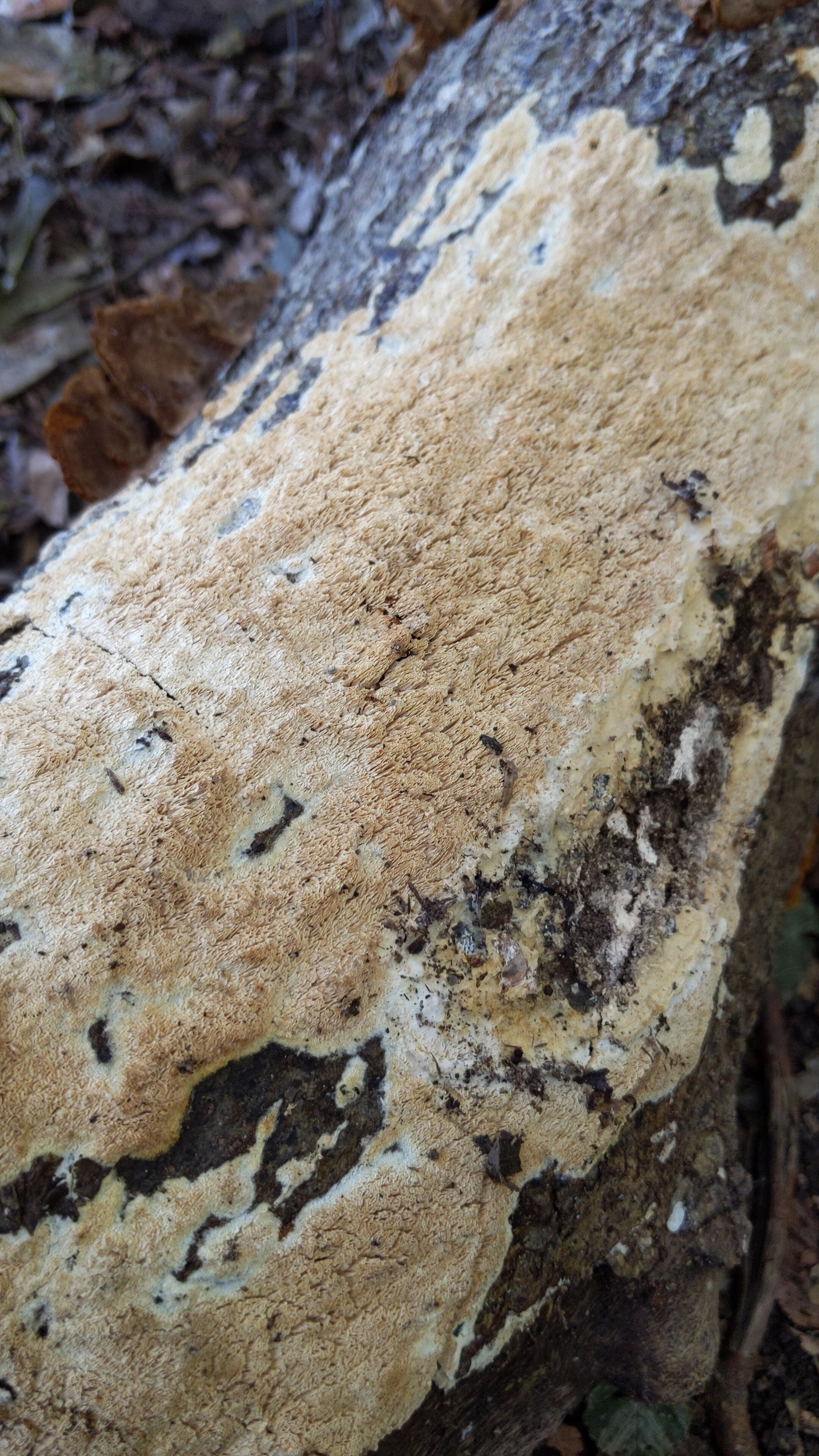
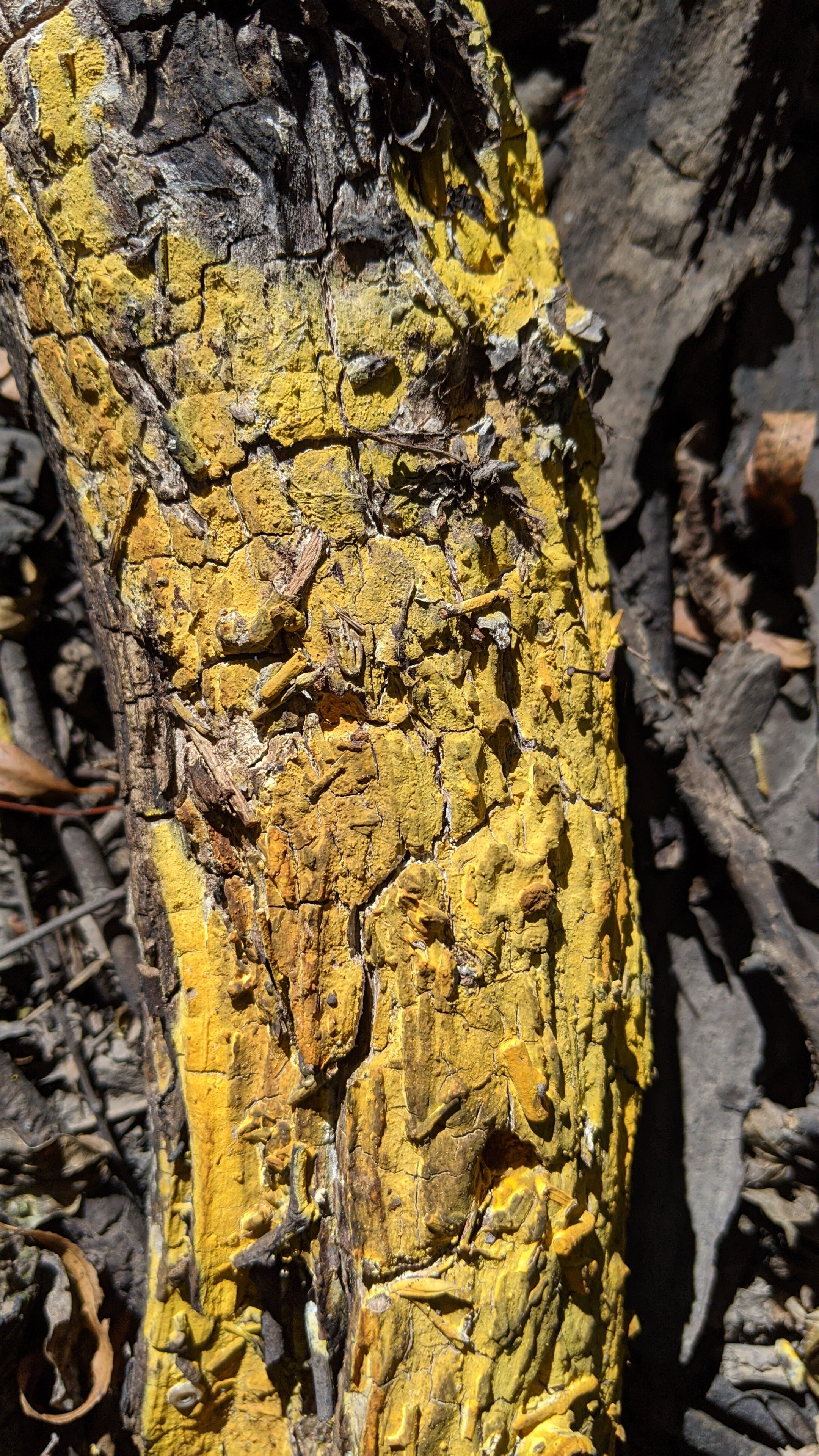
Toothed Fungi as you can guess, have a hymenium on structures that are formed like teeth or spines. These teeth are always pointed straight down and perpendicular to the earth. The teeth are also tapered, that in combination with their orientation ensure that the spores that are produced fall straight down and won’t land on other spines. Phanerochaete chrysorhiza, is a tooth fungus found on the underside of hardwood logs that produce other incredible structures. This striking orange-red fungus produces numerous "ropes" of hyphae called rhizomorphs that connect one part of the substrate to another and probably act as nutrient conductors. (6)
The spore dispersal techniques seen in the Fungal Kingdom are vast and diverse, from the gill structures of Agaricus species to the cannonball-like function of some Pilobolus species. Pilobolus can launch spores at speeds close to 20,000 G-Forces, approximately 10,000 times the forces that astronauts riding the space shuttle through the earth's atmosphere experience. The incredible diversity that is seen arises from Natural selection.The way that these structures are arranged enable them to perform the tasks that are needed of them by the fungal organism.
Sources:
https://www.mushroom-appreciation.com/identify-mushrooms.html#others
https://www.ncbi.nlm.nih.gov/pmc/articles/PMC2891949/
https://www.ncbi.nlm.nih.gov/pmc/articles/PMC2891949/
https://www.ncbi.nlm.nih.gov/pmc/articles/PMC2891949/
http://website.nbm-mnb.ca/mycologywebpages/NaturalHistoryOfFungi/ToothFungi.html