
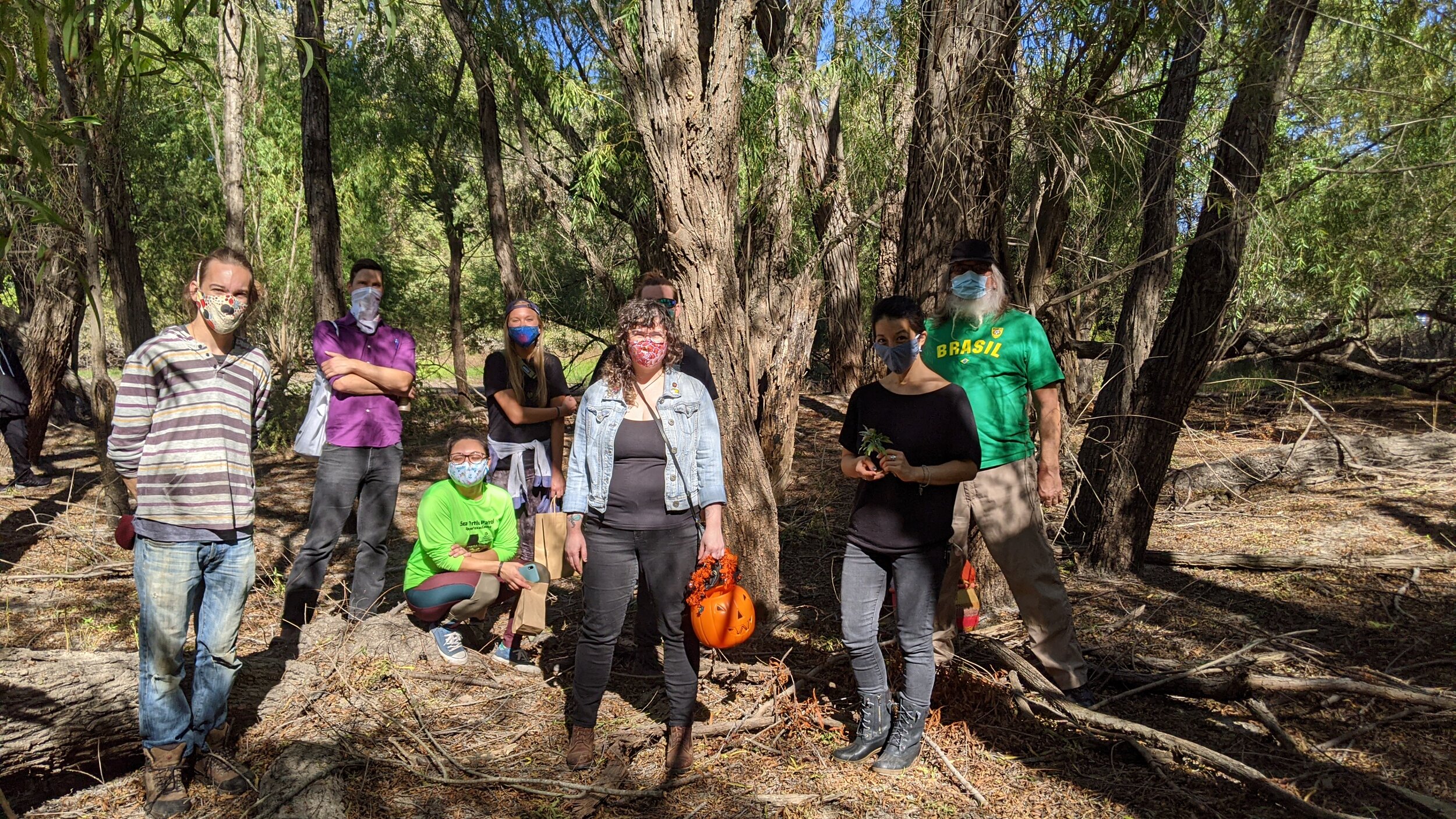
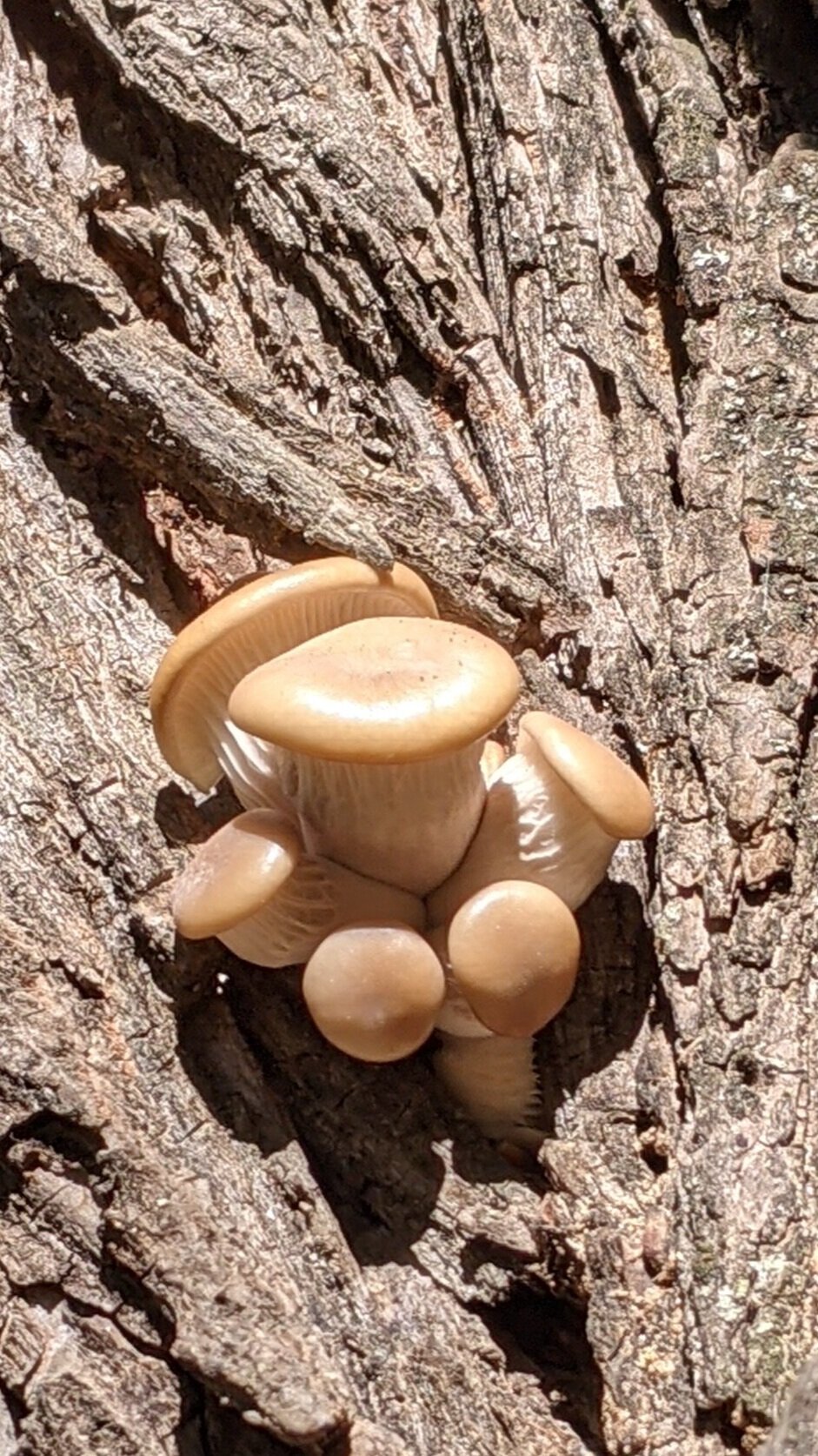
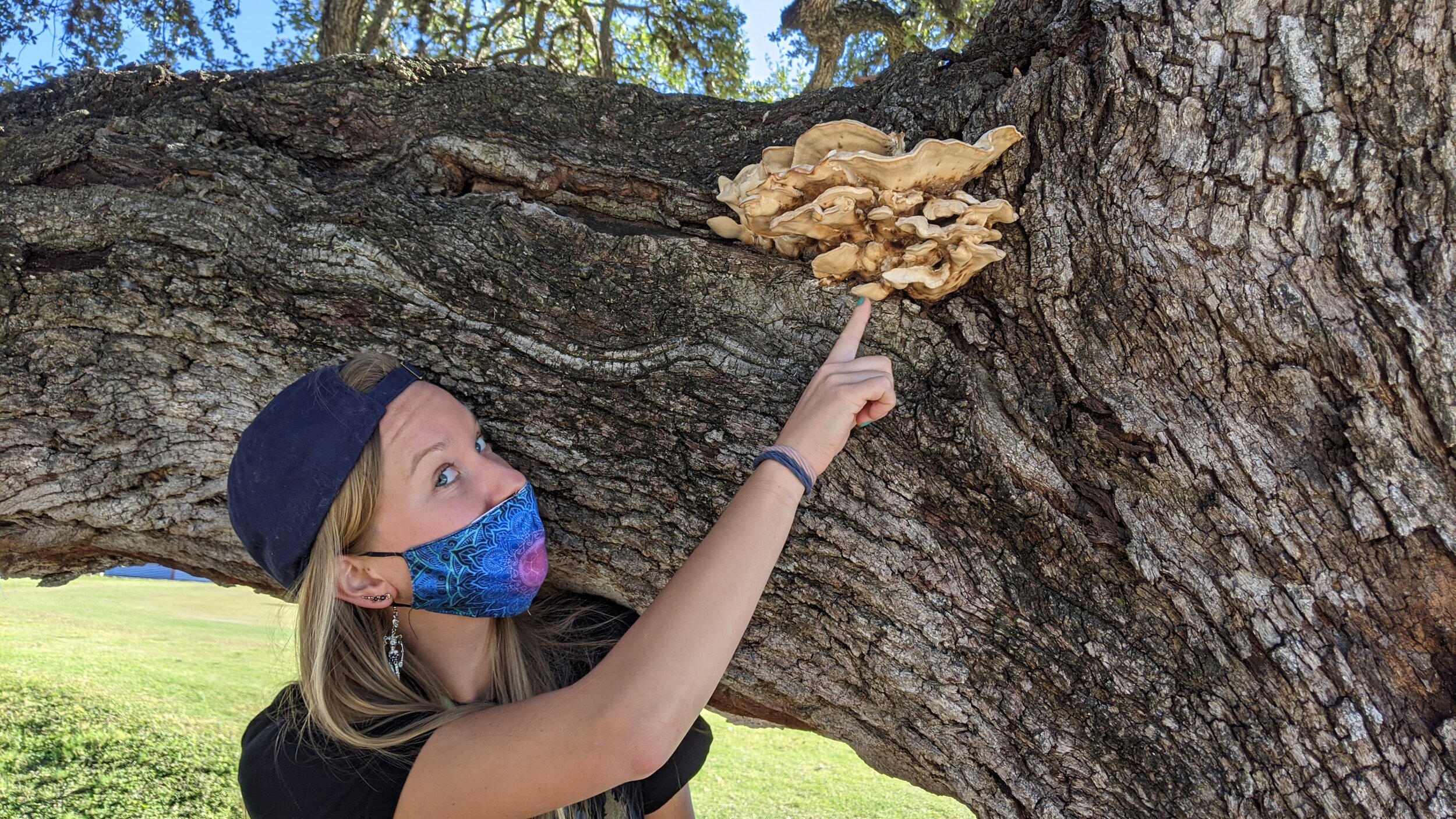
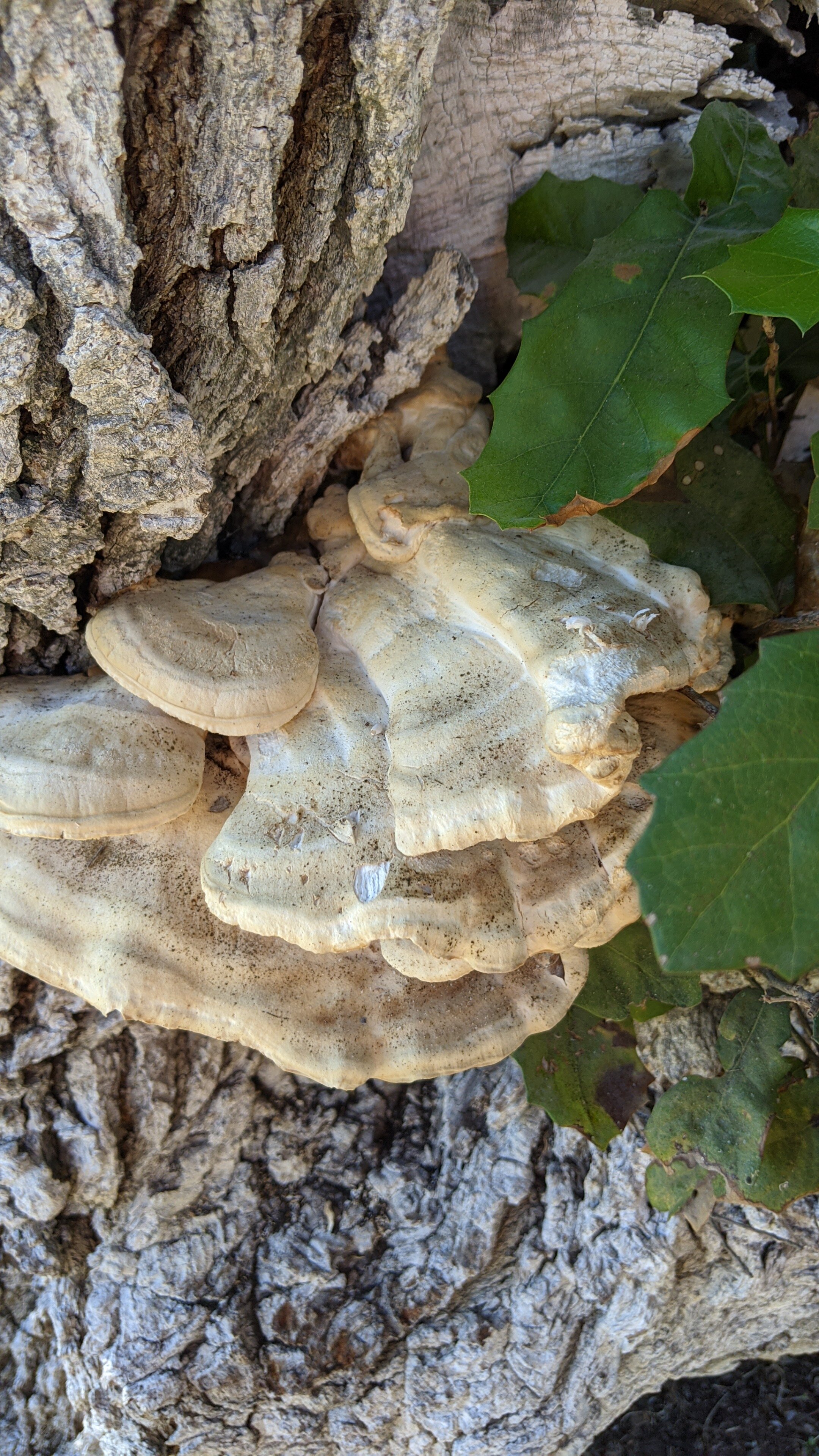
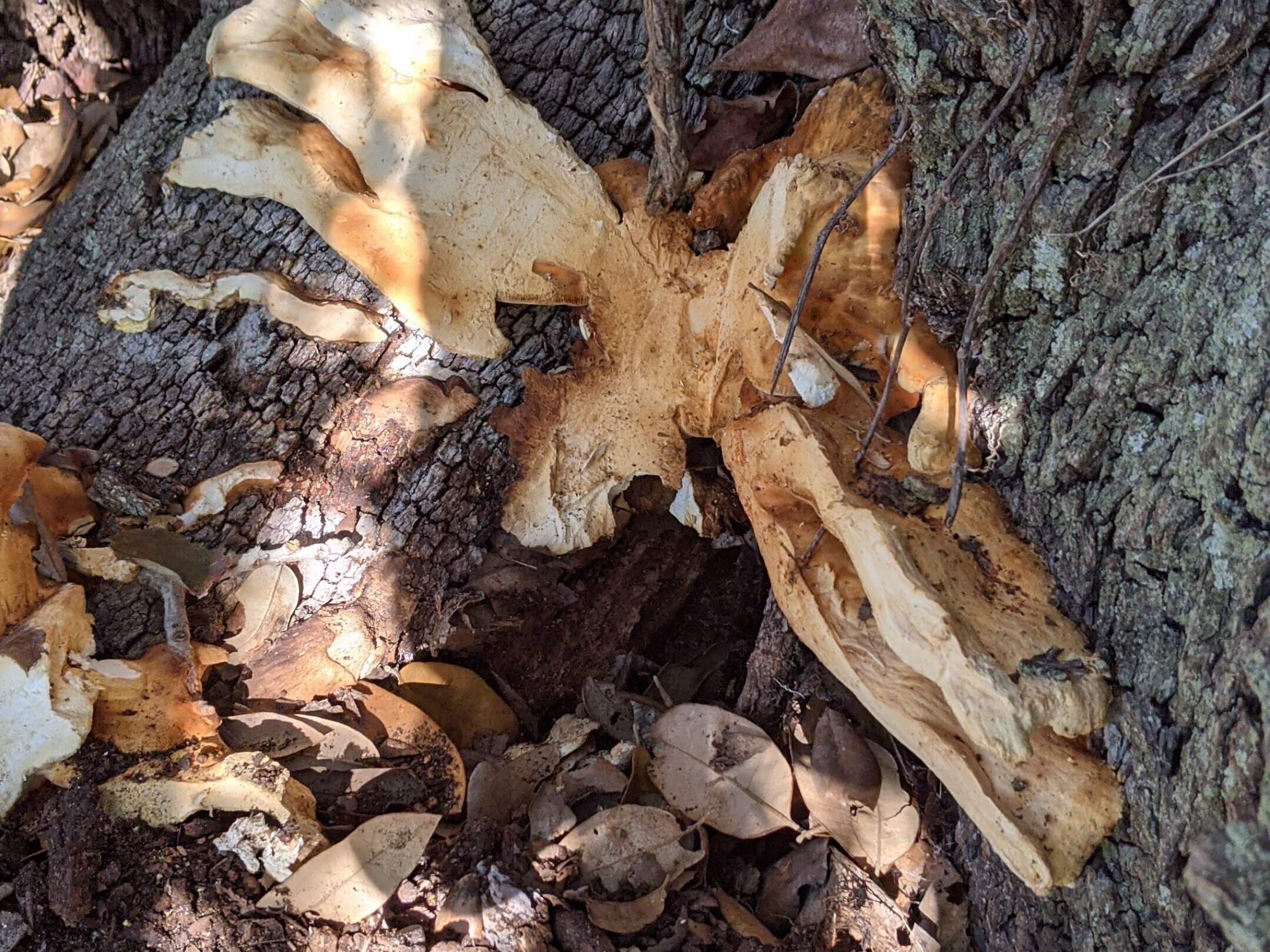
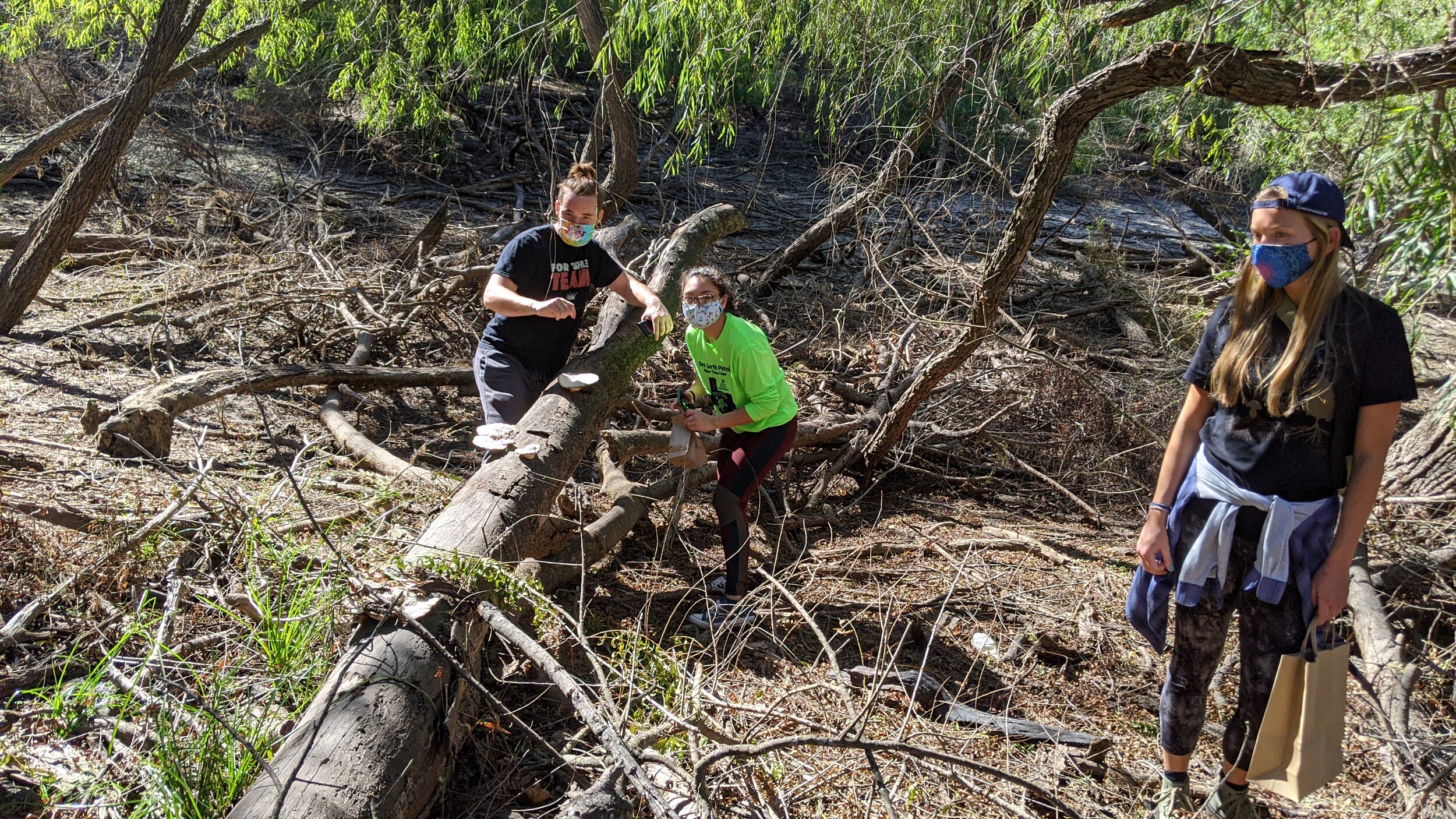
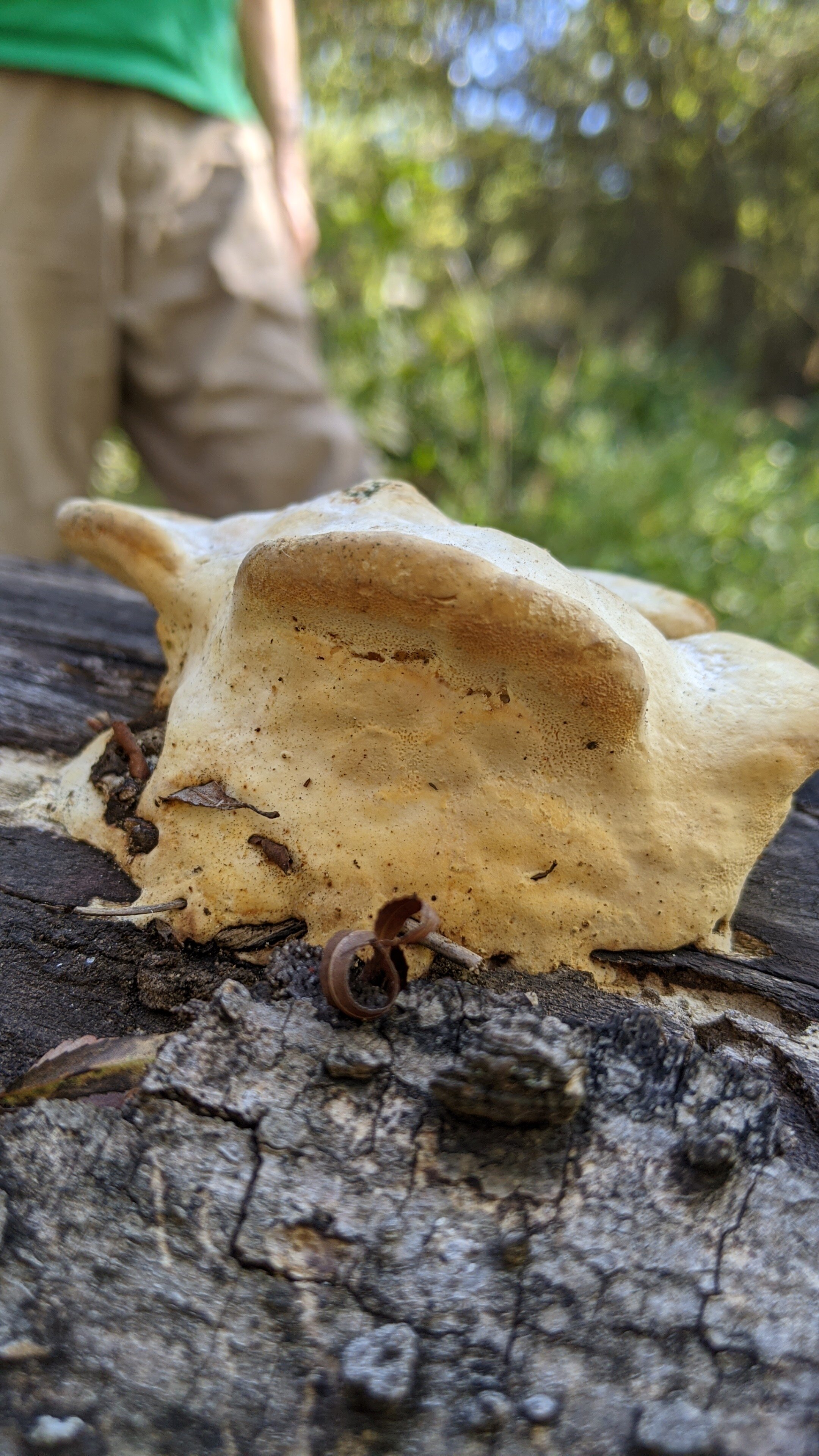
PHOTOS: Halloween Foray @ Circle Acres
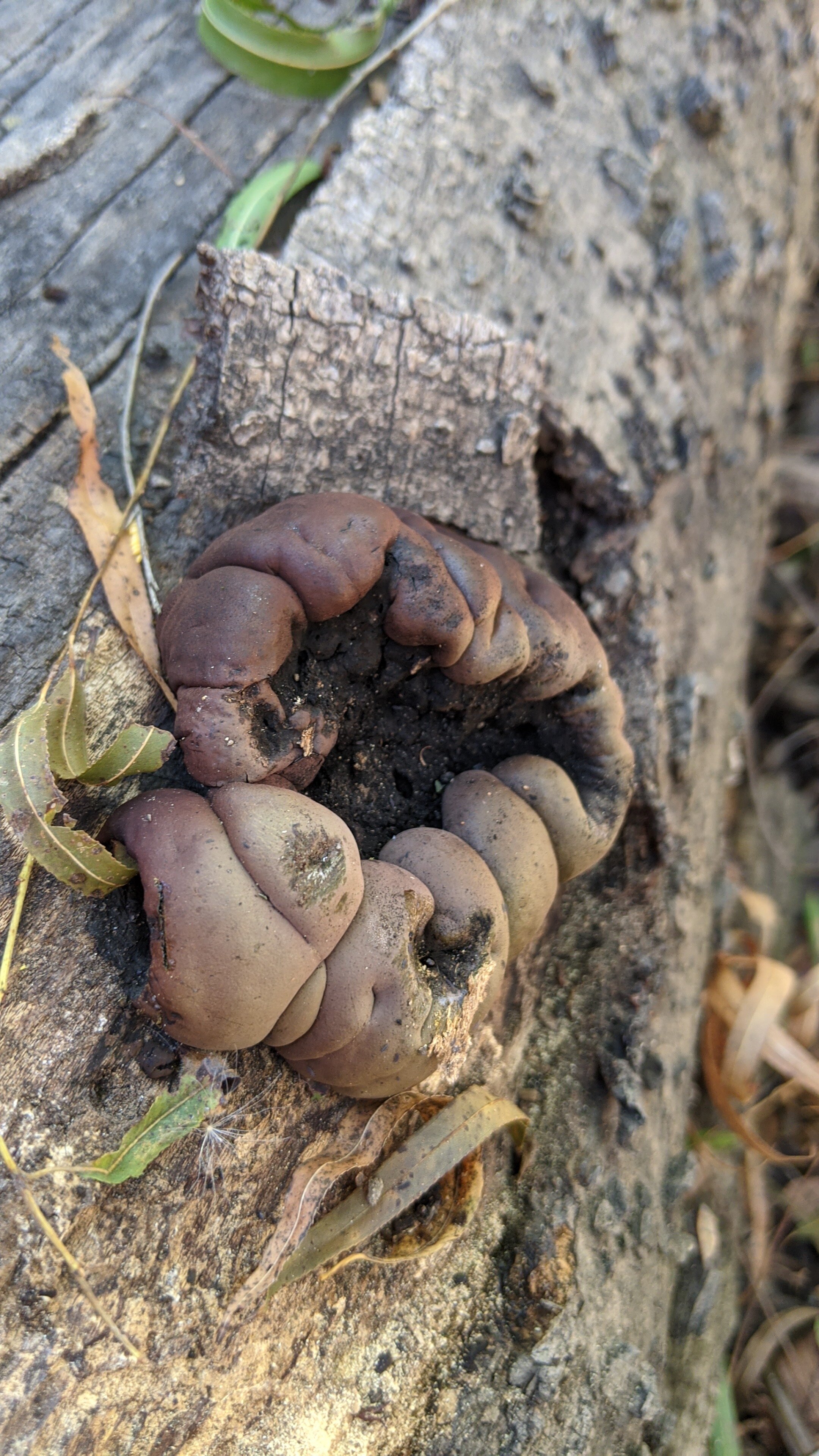
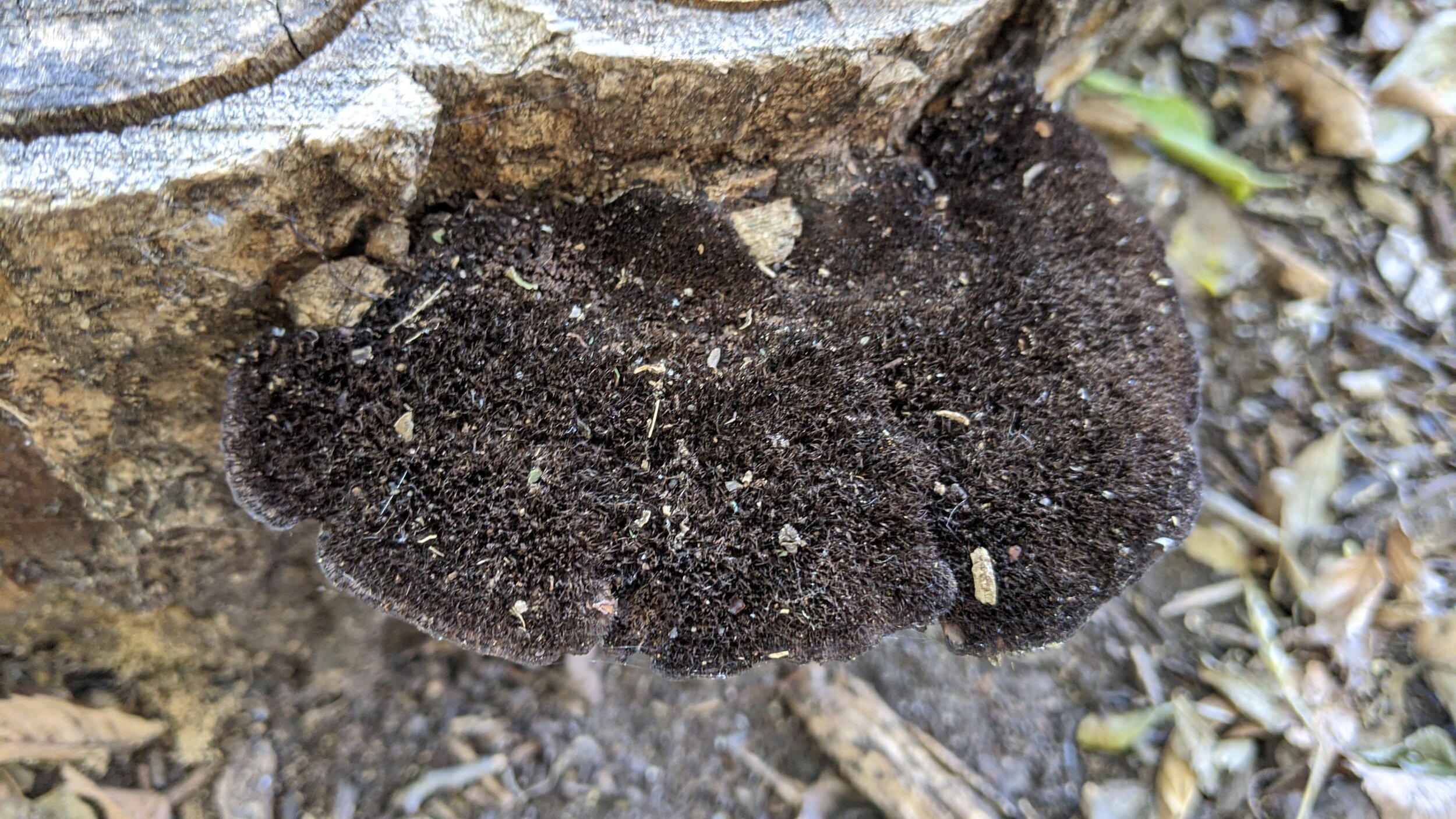
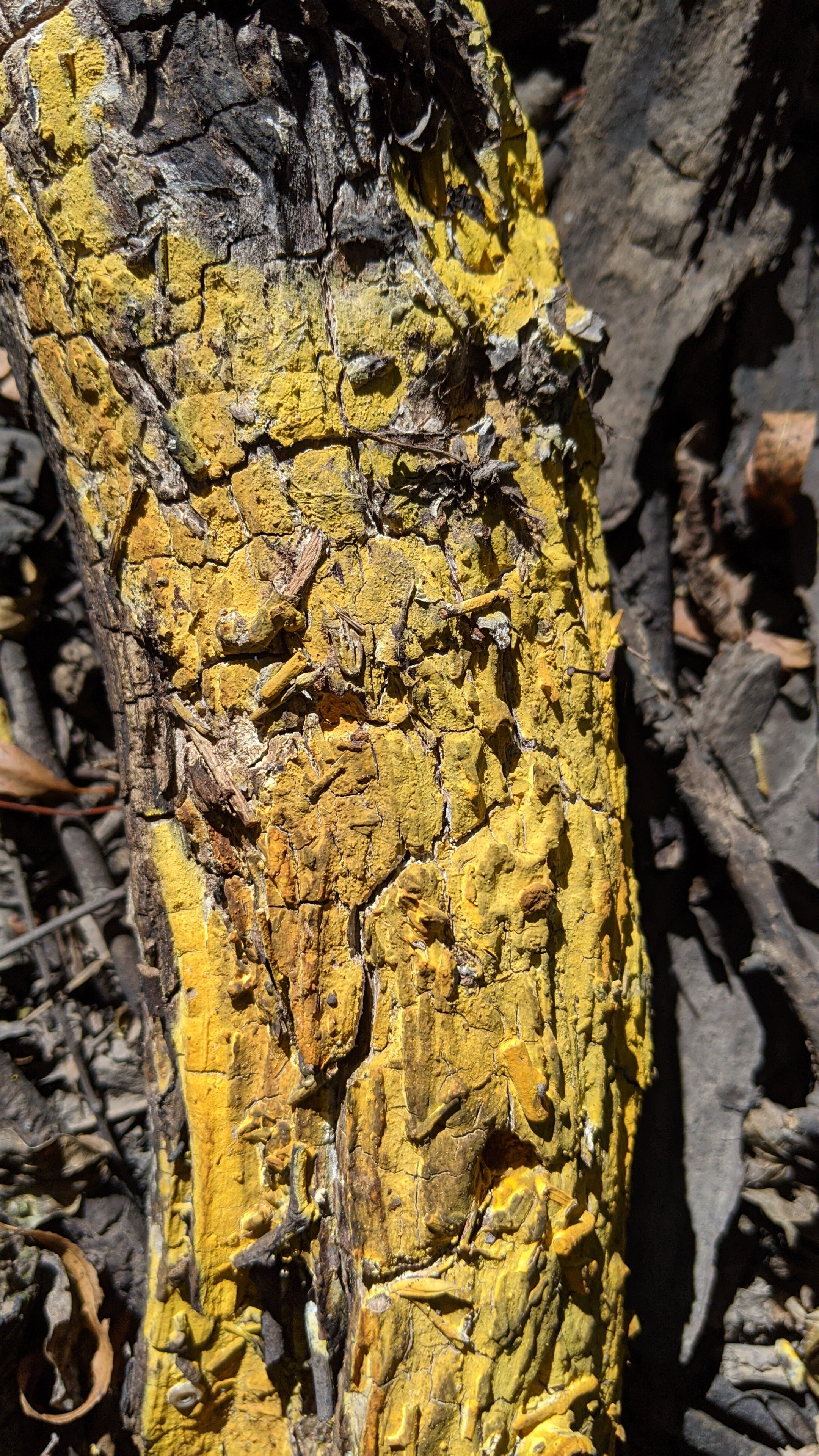
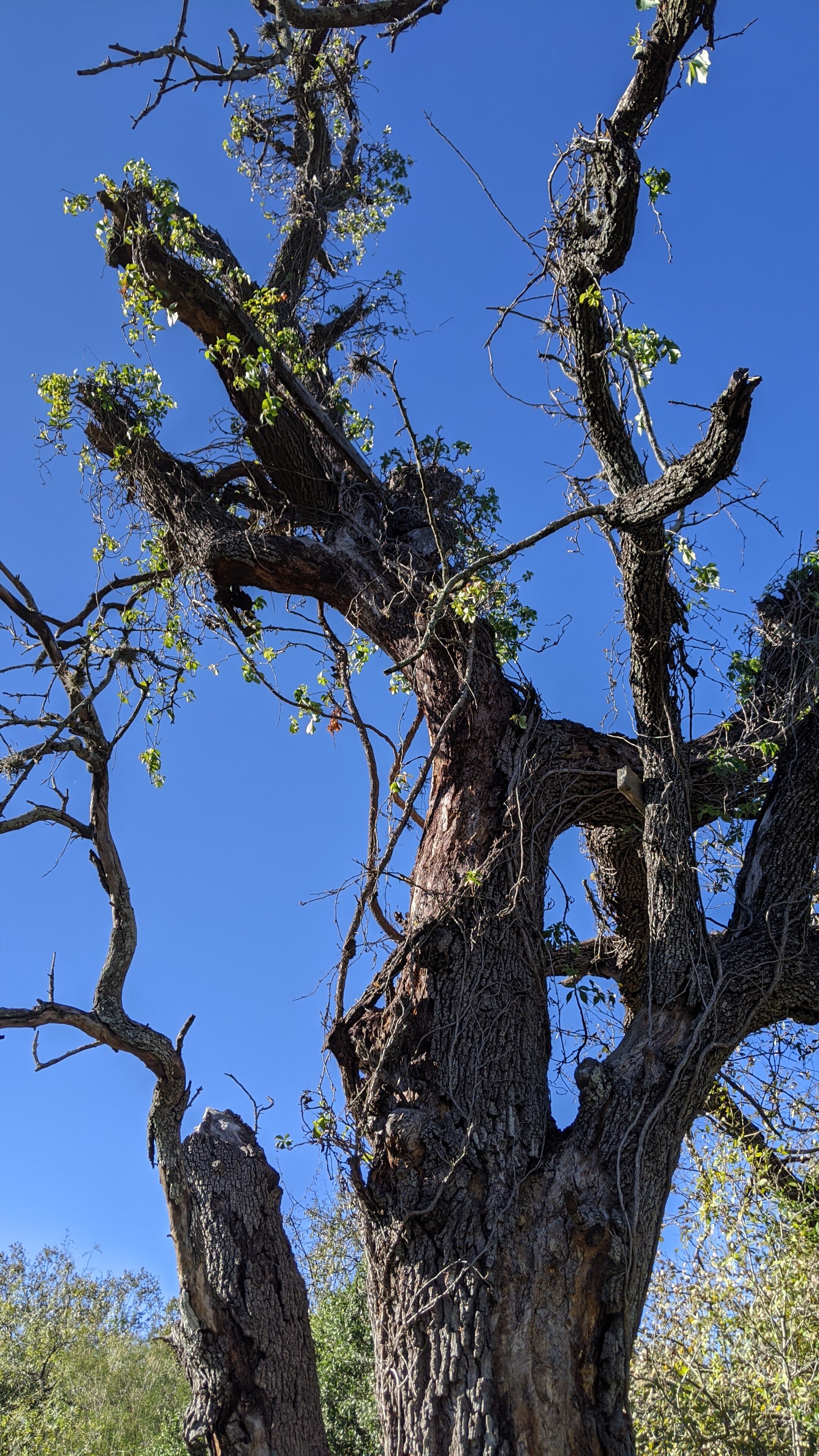
Foray hooray! It was so lovely meeting everyone and see happy mushroom hunters IRL. Yesterday we found and identified several of mushrooms at the members only Halloween foray! We are planning another one at Zilker Botanical Garden in the near future so keep dancing for rain!
🍄🎃💀Foray hooray! It was so lovely meeting everyone and see happy mushroom hunters IRL. Yesterday we found and identified several of mushrooms at the members only Halloween foray! We are planning another one at Zilker Botanical Garden in the near future so keep dancing for rain! 🌧️💃
If you were there, feel free to add your photos on iNaturalist in Circle Acres and Mushrooms of Texas projects.
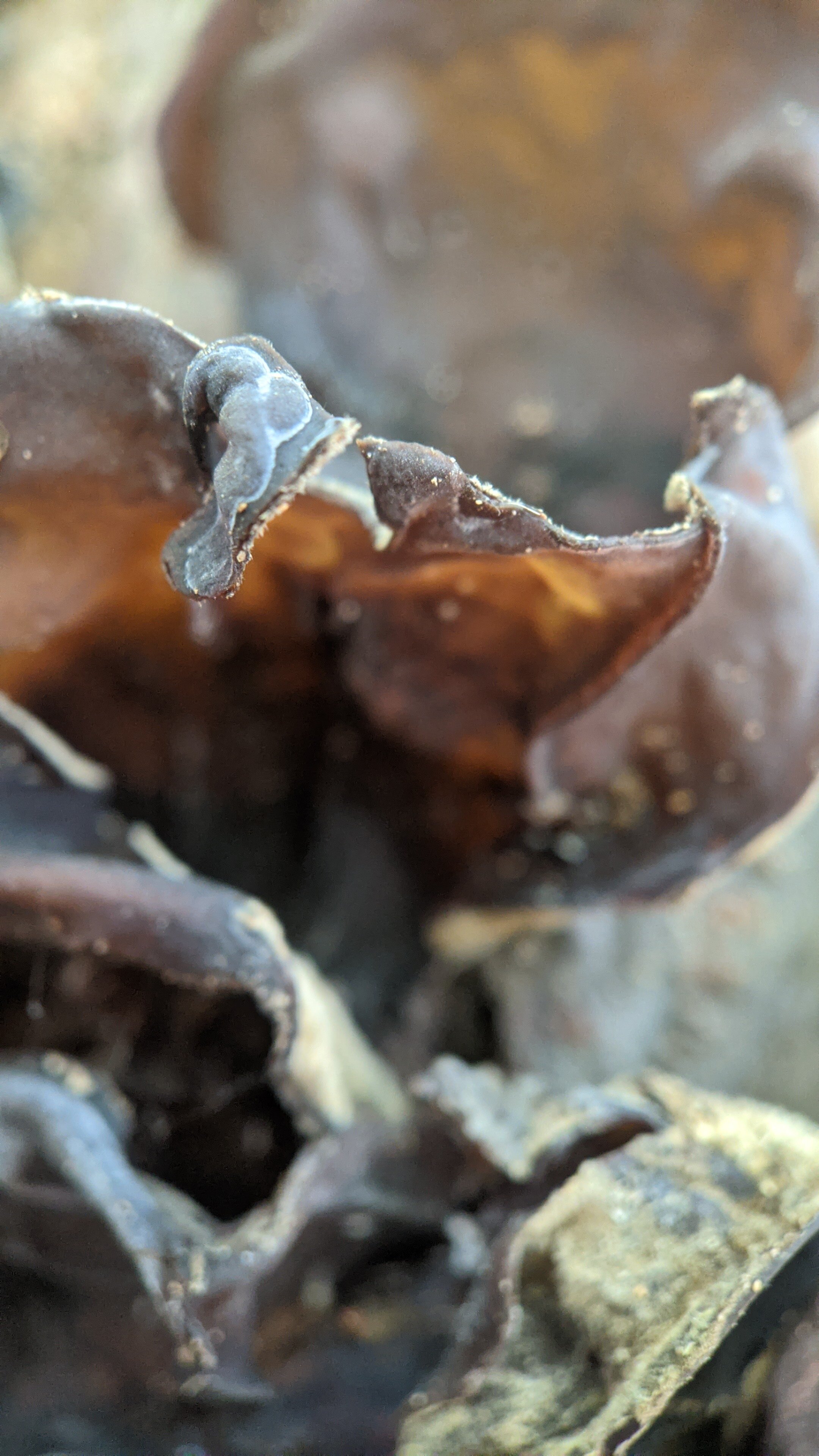

Structure and Function Relationships in the Fungal Kingdom
Nature is full of amazing shapes and structures, these shapes are arranged in specific ways which grant them the ability to perform a very specific task, allowing an organism to function correctly. The way that something is put together determines how it will be used. These structures are diverse and play different roles in different organisms
Nature is full of amazing shapes and structures, these shapes are arranged in specific ways which grant them the ability to perform a very specific task, allowing an organism to function correctly. The way that something is put together determines how it will be used. These structures are diverse and play different roles in different organisms. Diversity in nature arises through Natural selection, the process by which organism populations adapt and change over a long period. In the Fungal Kingdom structure and function relationships can be observed in many instances, especially in the ways that spore dispersal is achieved.
Fungi are a eukaryotic organism that absorbs nutrients from the world around them, using threads of long structures called hyphae, which then come together to form a larger network called mycelium. During the fungi’s life cycle, the hyphae will develop into mature structures, often seen above ground as mushrooms, that are capable of reproducing and dispersing spores. Spores are the single cells that contain all of the genetic information the fungus needs to start forming it’s on mycelial network, think of them as seeds to an apple. According to An Abbreviated Guide to the Mushrooms of Massachusetts “There are two types of spore-producing cells: asci and basidia. In asci, the spores are fully contained within an outer covering. When the spores mature, the tip of the ascus breaks open and the spores are released. In basidia, the spores are produced externally. The spores are released when they break off.”

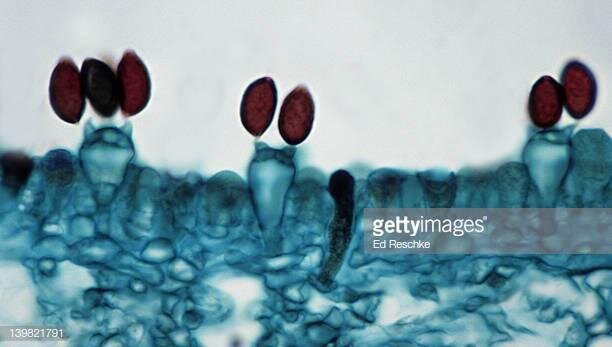
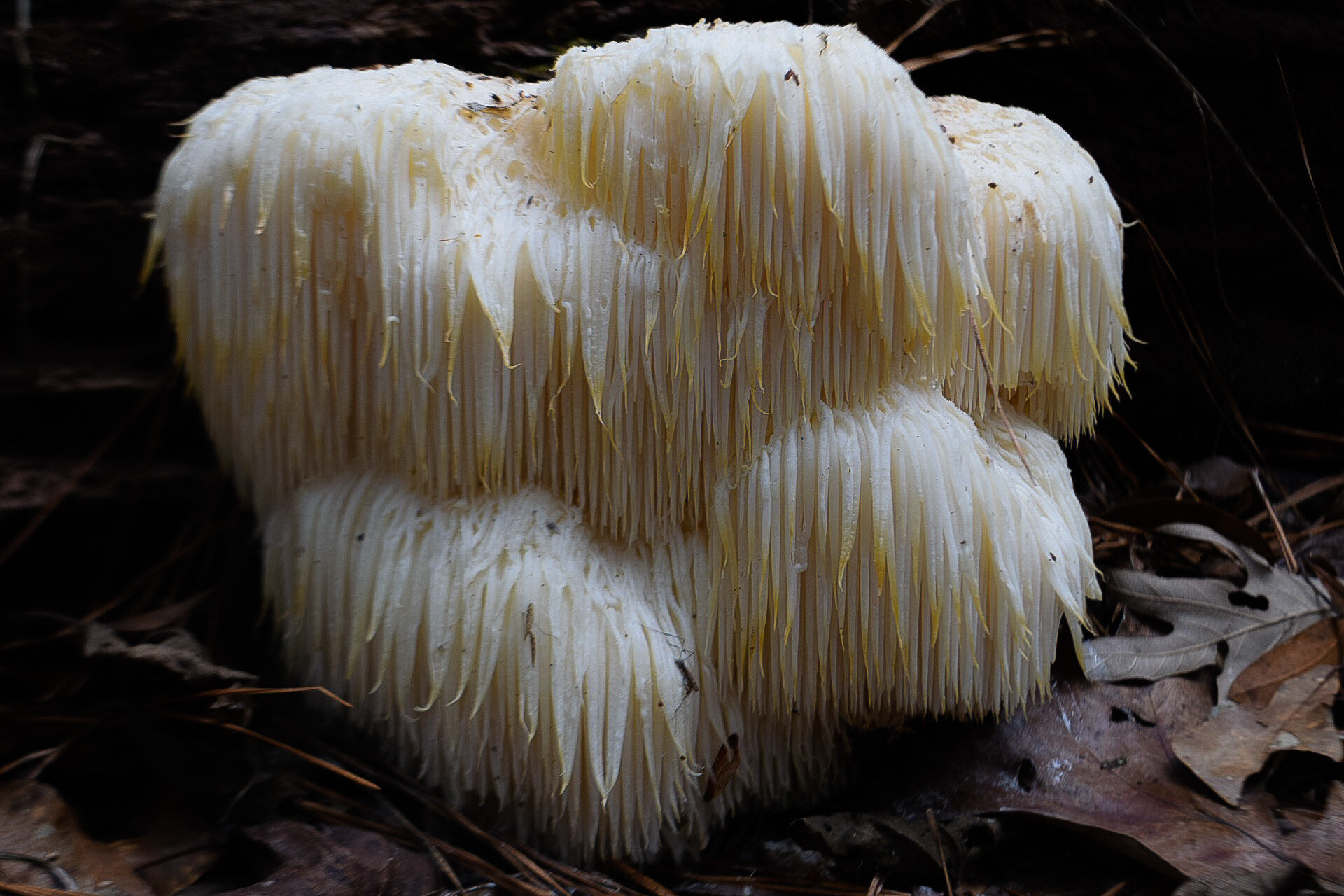
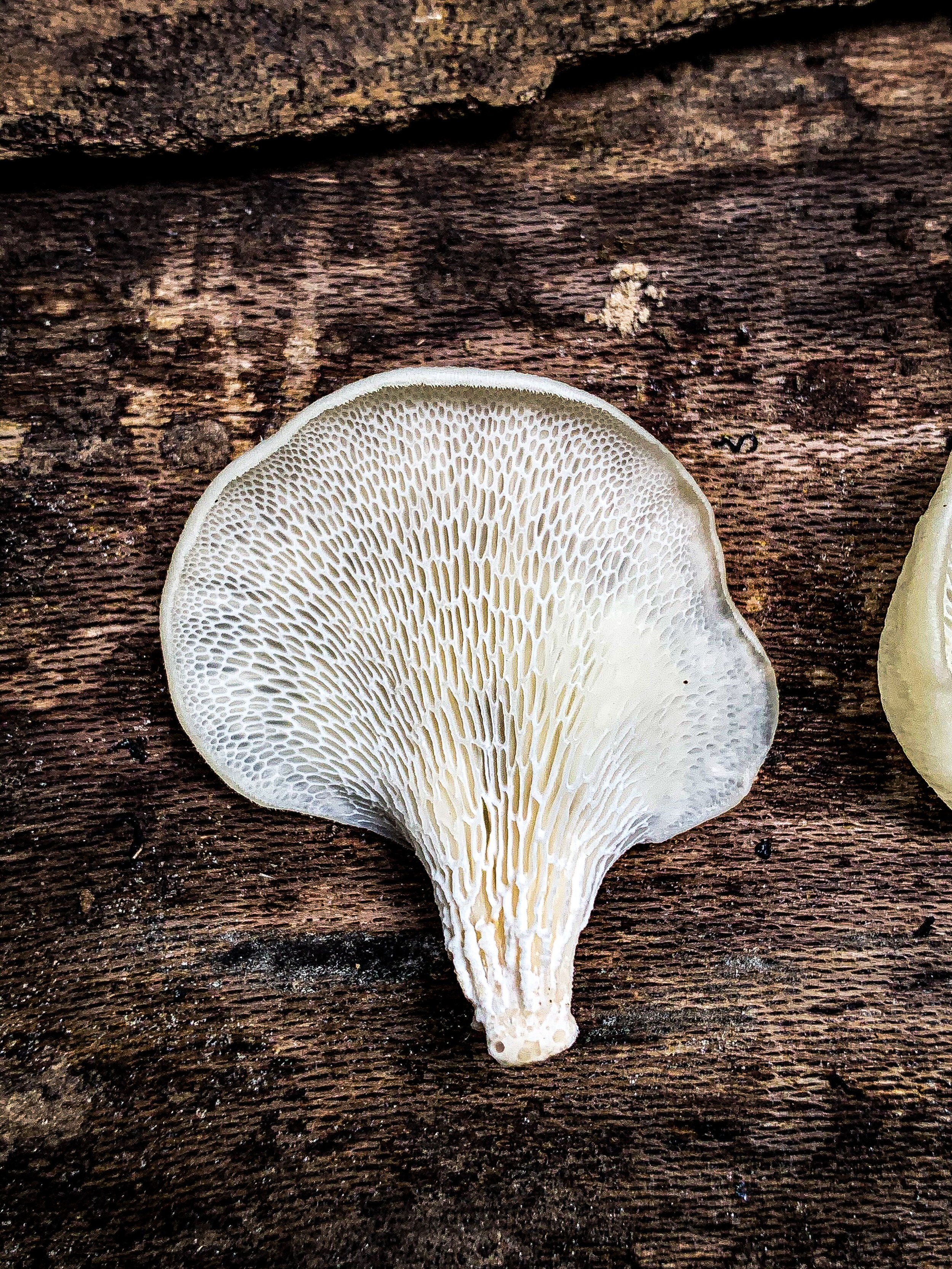
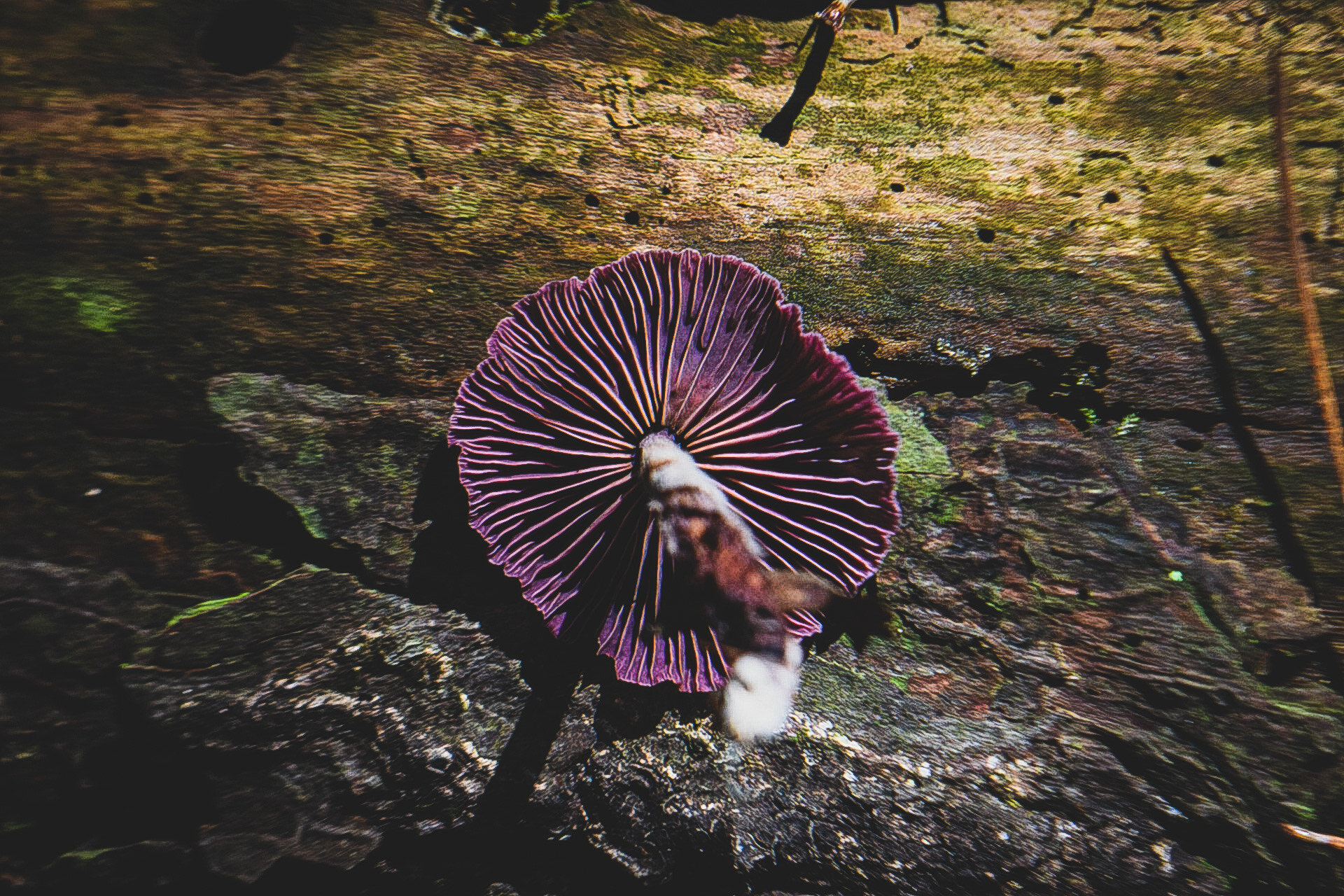
The main function and task of a mushroom is spore dispersal, one of the main structures they use to achieve that are called hymenium. The hymenium is a broad flat structure that produces spores. The hymenium can be found on different types of structures that different species produce, such as gills, pores, and even teeth. Some mushrooms don’t use those methods at all. Some species like chanterelles have false gills or folds under their caps, which are often smooth and are used to drop the spores from. Stinkhorn fungi use a foul-smelling jelly-like substance that covers the top of the mushroom, flies are attracted to this and spread the spores after landing on the mushroom. Puffball mushrooms disperse their spores using a small pore in their top called an ostiole. Also, the hymenium of coral fungi occurs as a small layer that covers all of the branchings of the fungus, spores will just drop from where they grow. (1)
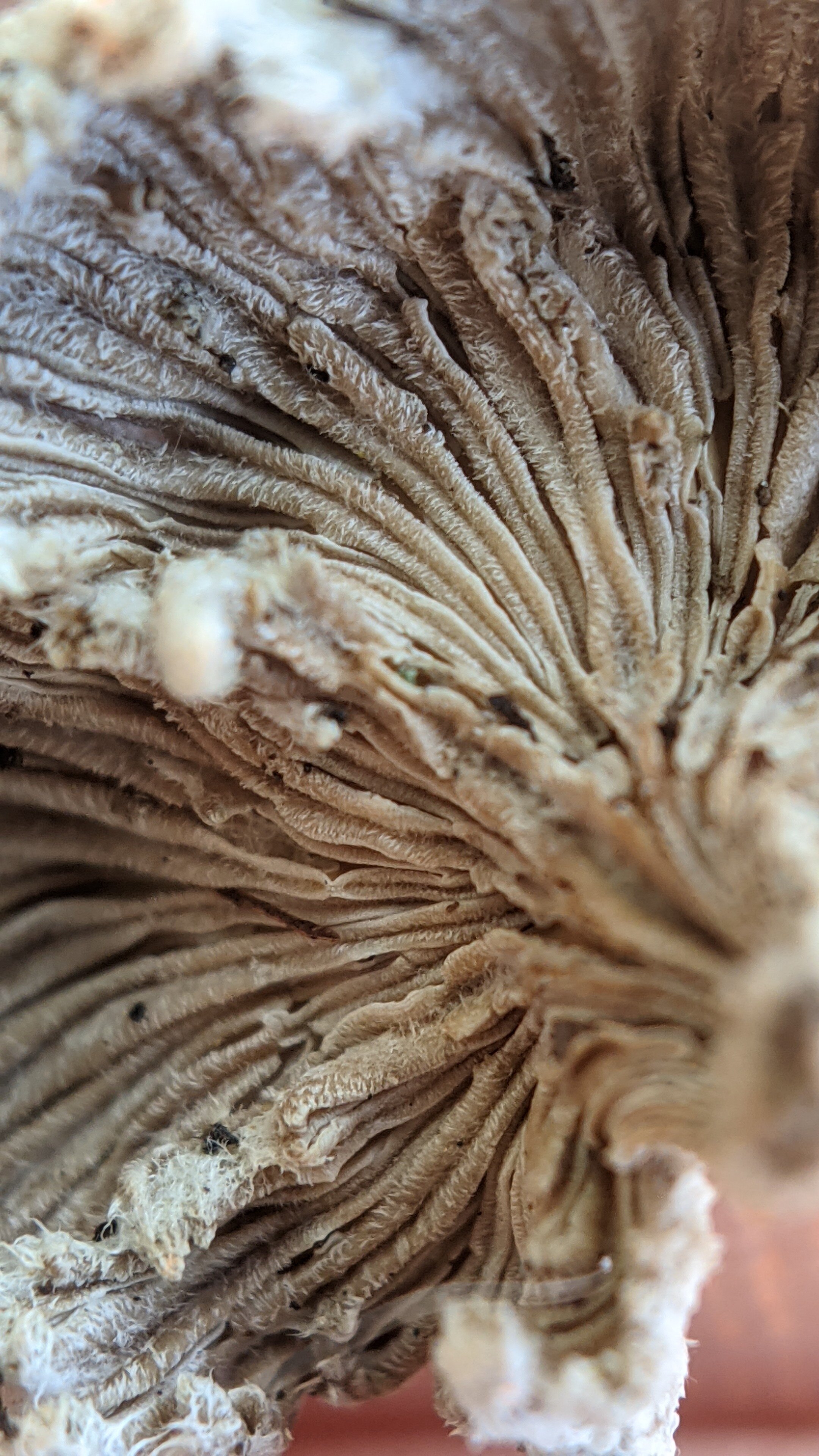
One of the most prolific ways that mushrooms produce hymenium is through gills. Gills or lamellae are thin, flat, plate-like structures that form vertically under the cap and spread outward from a single point. Some species form a single array of gills, while others form stacks of lamellae between the main gills, gills that branch from one another are also common. The fungus forms these structures to maximize the surface area of the hymenium, allowing the mushroom to produce more spores which give it a higher chance of reproducing. “Relative to spore production over a flat surface, gills achieve a maximum 20-fold increase in surface area. The branching of gills produces the same increase in surface area as the formation of freestanding lamellulae.” (2) The space between the gills is also important for successful spore dispersal. Once the spores are formed the fungus uses a process called bellistospory to eject the spurs from the hymenium's surface. They are able to eject the spores from the surface of the lamellae by a structure referred to as the surface tension catapult. (3) If the spores don’t get shot far enough they fall onto the lower portions of the gill or if they shoot too far they land on the side of another gill. The benefit of a system of spore dispersal like this is shown by the staggering production of spores from lamallate fruiting bodies. Under perfect conditions a single Agaricus campestris can release 31,000 spores per second, or 2.7 billion spores per day. (4)
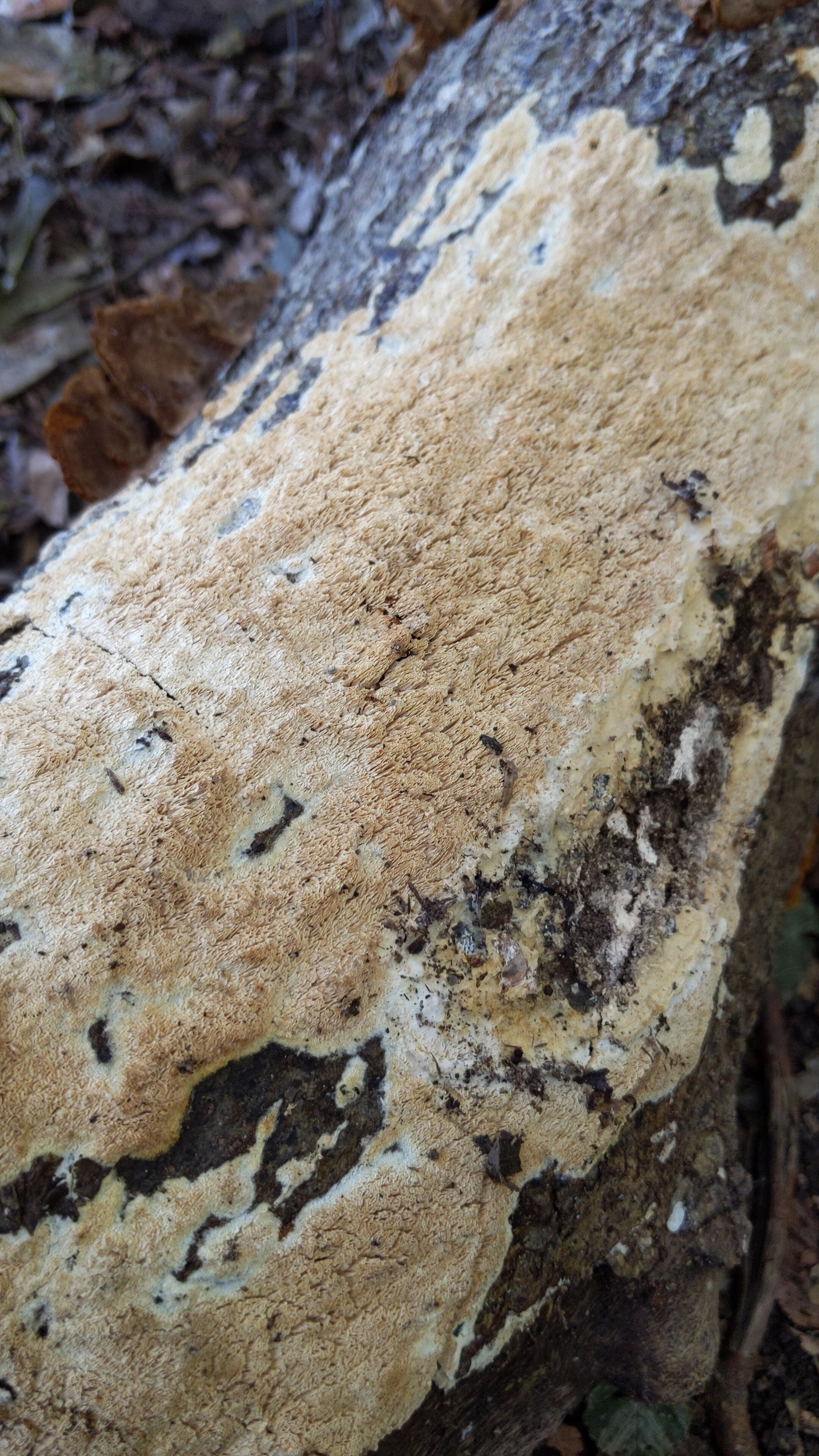
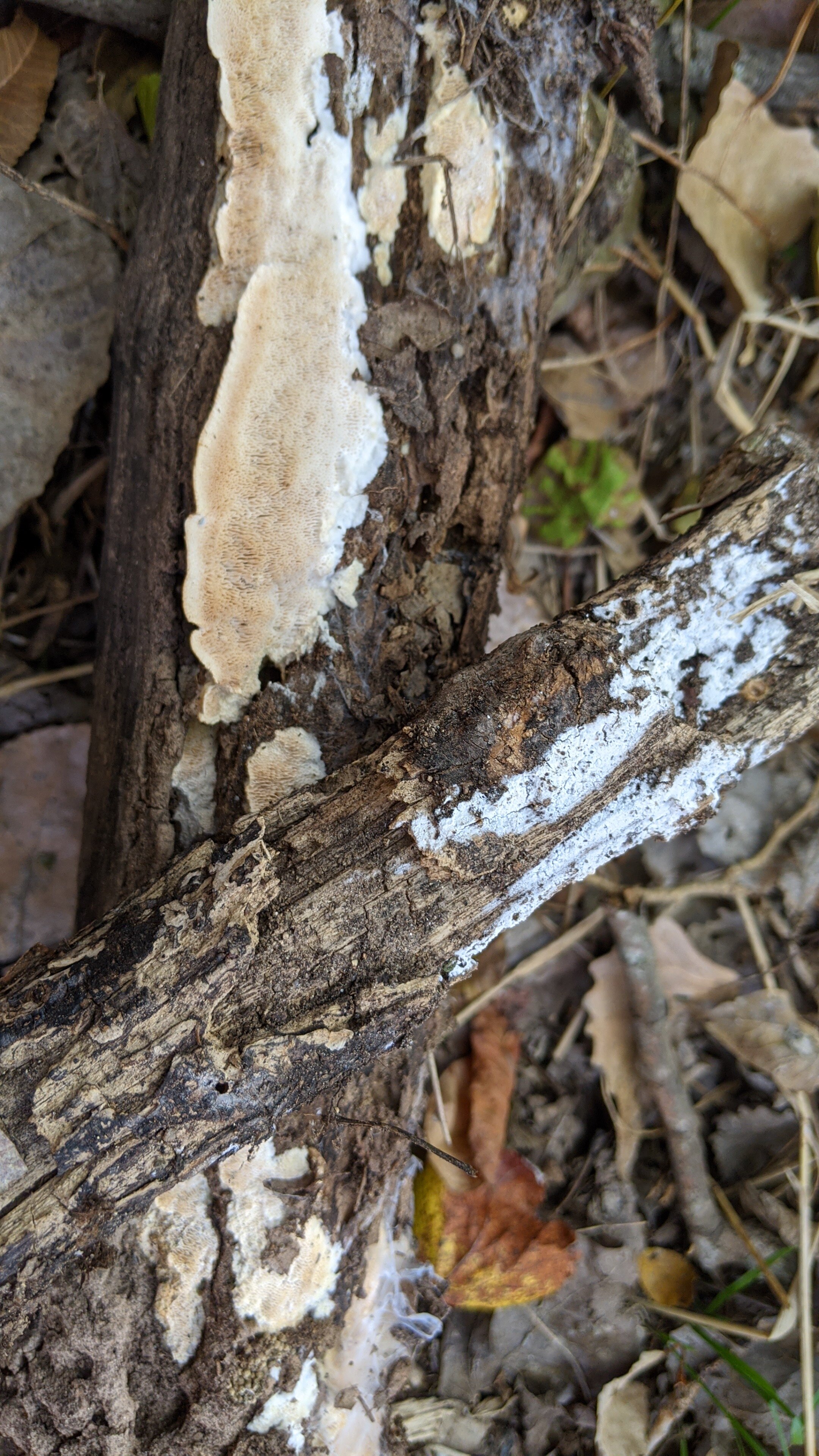
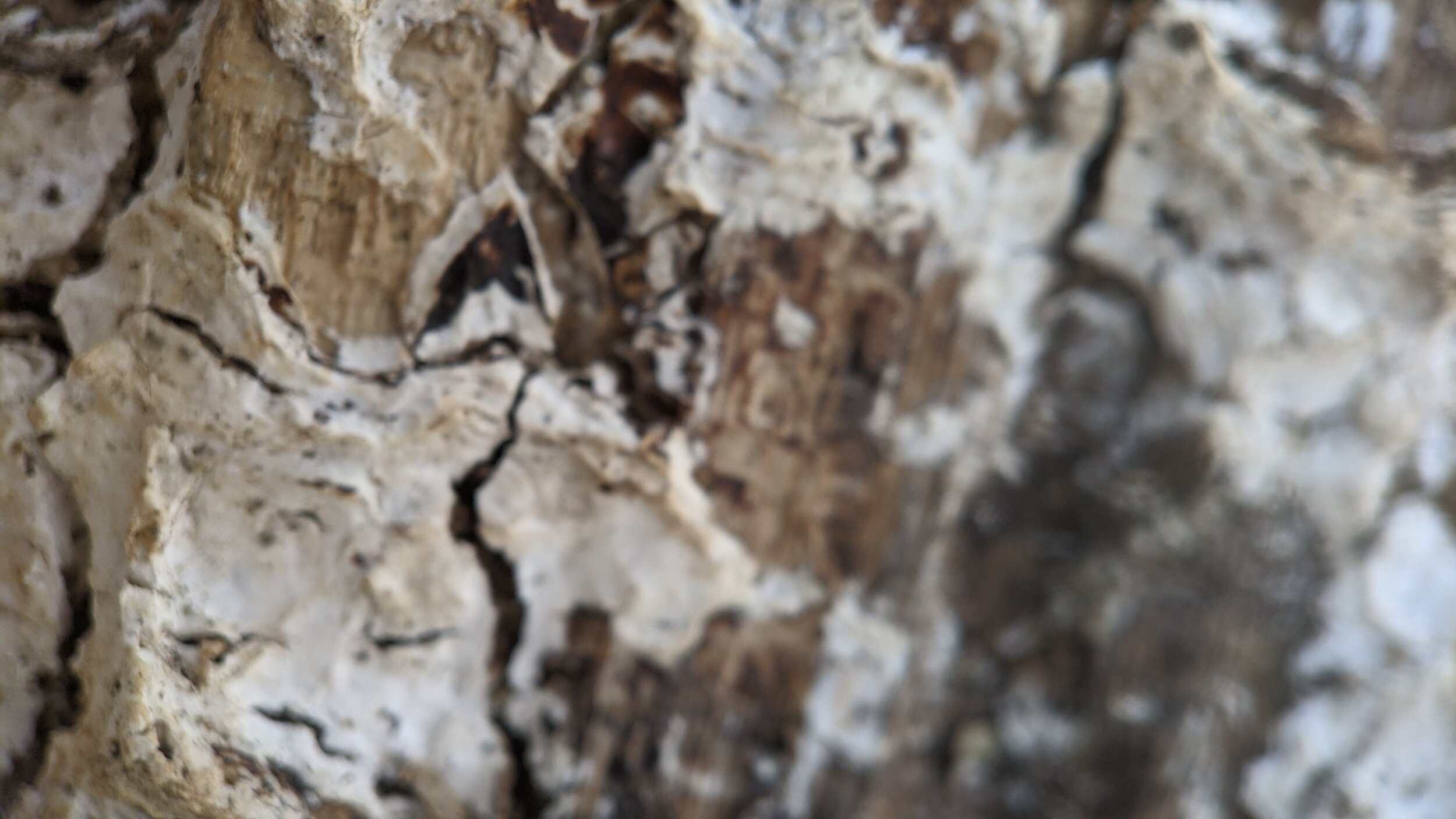
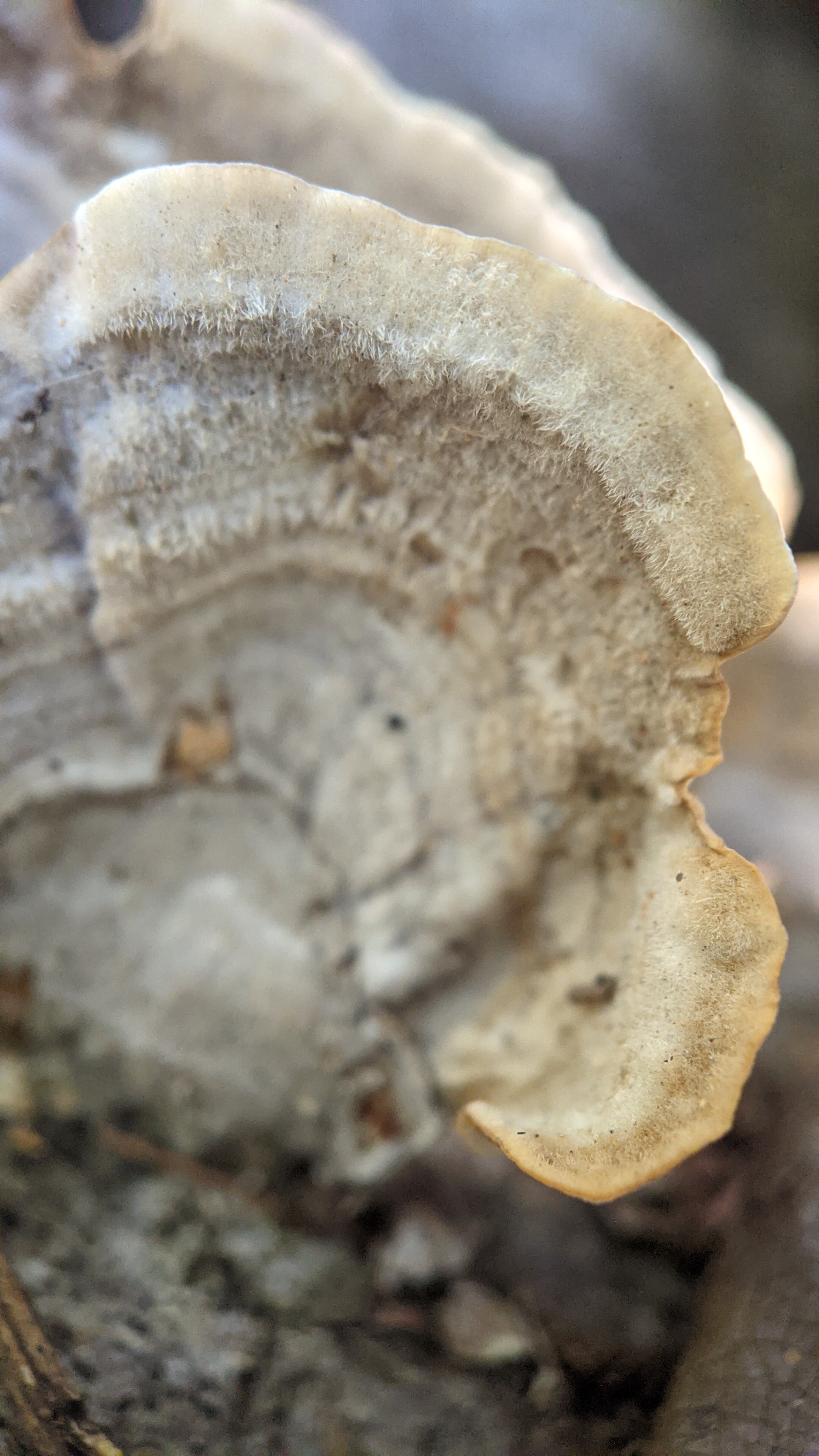
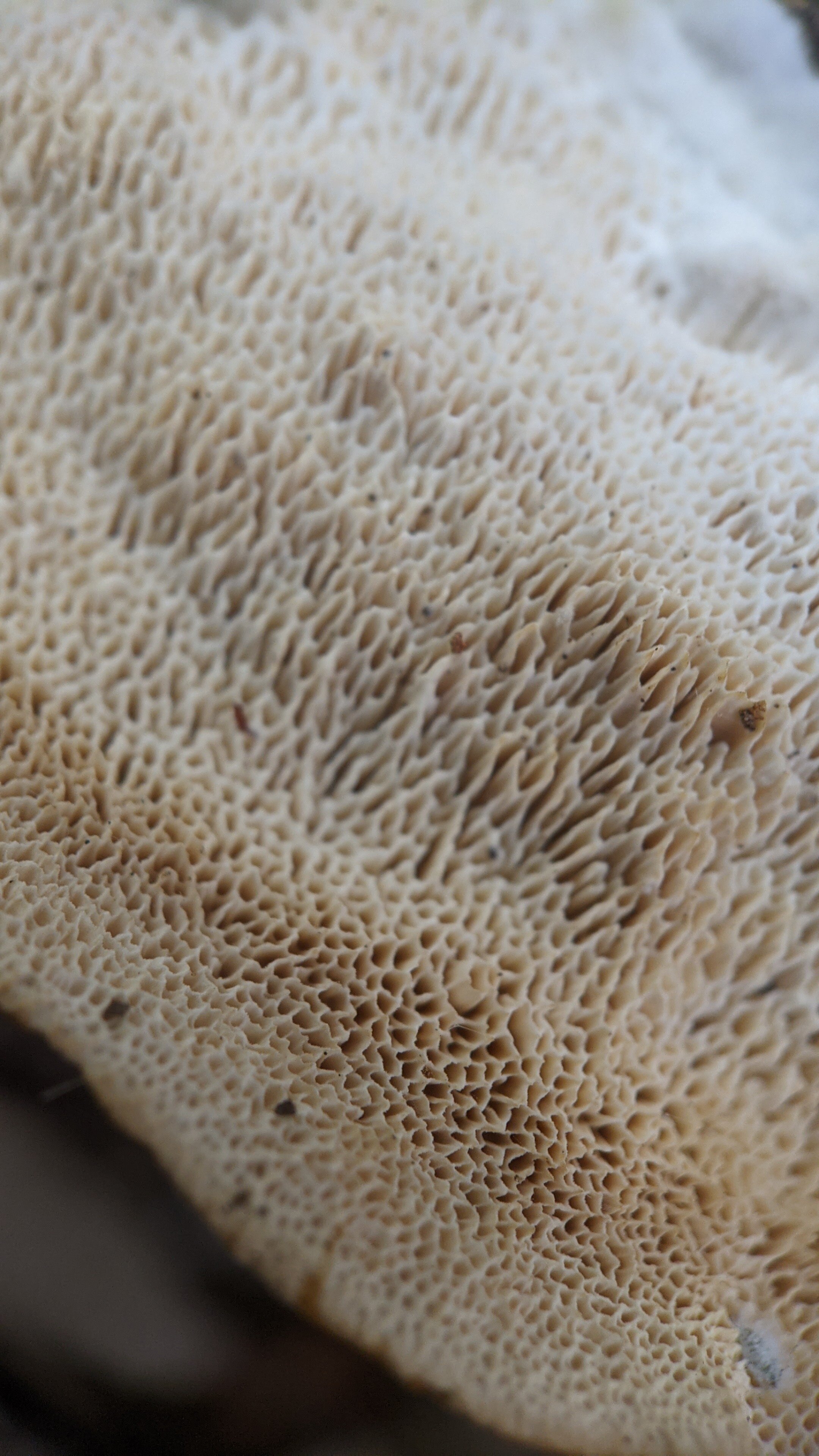
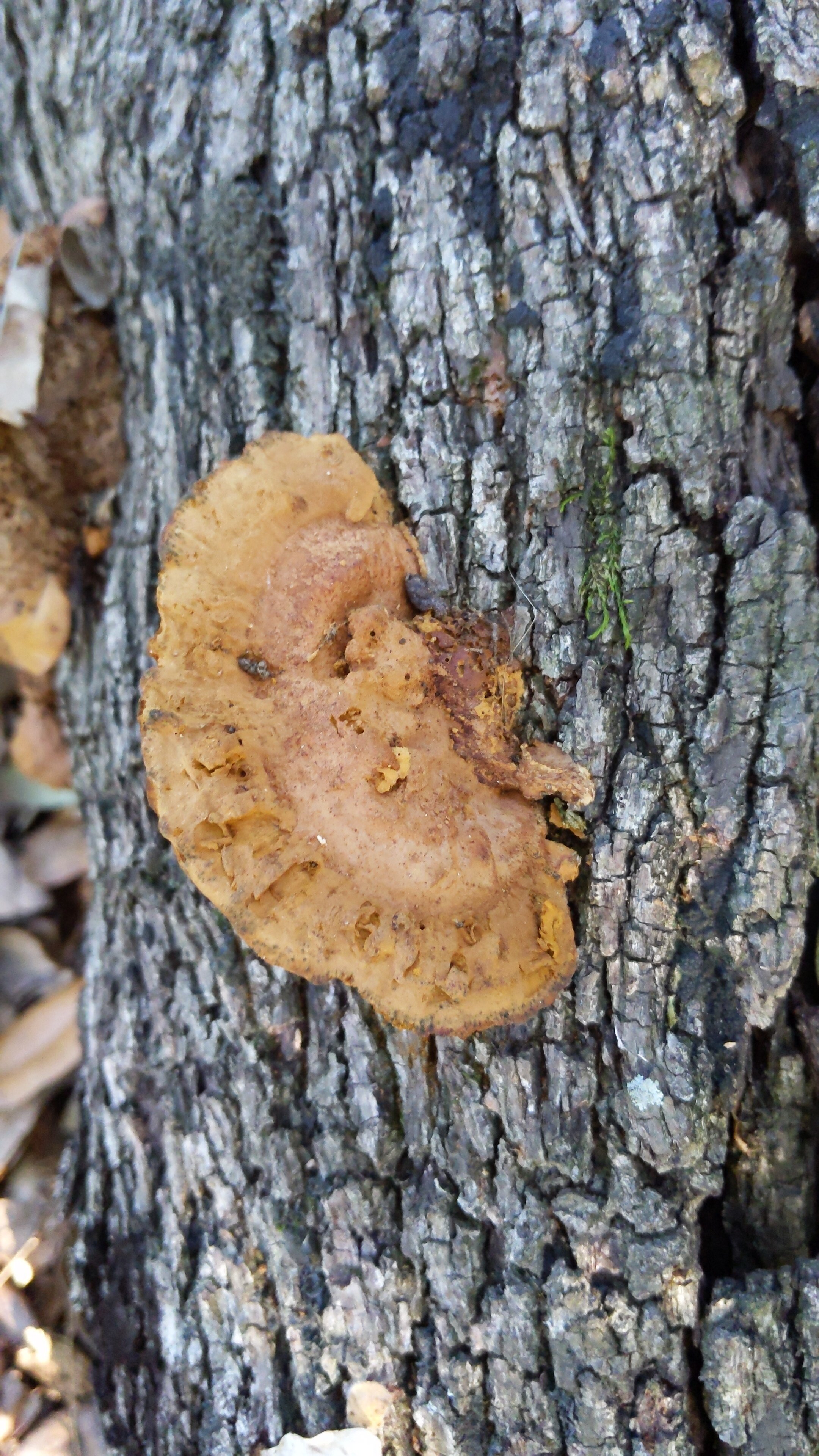
As stated above gills are not the only structure that hymenium can use for spore dispersal. Many mushrooms especially those in the Bolete and Polypore groups form hymenium that are covered in small holes, or pores. The pores are long tube-like structures that form in the mushroom cap. The spores are formed on the inside of the hymenium tube where they will eventually be released and fall down out through the pore and into the air. Pores are not always circular and sometimes the walls between hymenium will join together and be longer and be more closely packed together, this creates diamond and even honey-comb shaped patterns. Some polypores, like the aptly named Daedalea quercina, have elongated pores that result in a maze-like pore surface. (5)
Toothed Fungi as you can guess, have a hymenium on structures that are formed like teeth or spines. These teeth are always pointed straight down and perpendicular to the earth. The teeth are also tapered, that in combination with their orientation ensure that the spores that are produced fall straight down and won’t land on other spines. Phanerochaete chrysorhiza, is a tooth fungus found on the underside of hardwood logs that produce other incredible structures. This striking orange-red fungus produces numerous "ropes" of hyphae called rhizomorphs that connect one part of the substrate to another and probably act as nutrient conductors. (6)
The spore dispersal techniques seen in the Fungal Kingdom are vast and diverse, from the gill structures of Agaricus species to the cannonball-like function of some Pilobolus species. Pilobolus can launch spores at speeds close to 20,000 G-Forces, approximately 10,000 times the forces that astronauts riding the space shuttle through the earth's atmosphere experience. The incredible diversity that is seen arises from Natural selection.The way that these structures are arranged enable them to perform the tasks that are needed of them by the fungal organism.
Sources:
https://www.mushroom-appreciation.com/identify-mushrooms.html#others
https://www.ncbi.nlm.nih.gov/pmc/articles/PMC2891949/
https://www.ncbi.nlm.nih.gov/pmc/articles/PMC2891949/
https://www.ncbi.nlm.nih.gov/pmc/articles/PMC2891949/
http://website.nbm-mnb.ca/mycologywebpages/NaturalHistoryOfFungi/ToothFungi.html

Grow a Mushroom Garden
It's fall and with all the rain, it's a perfect time to start a mushroom garden. In this video we show you how to grow culinary mushrooms in your garden using mushroom grow blocks from Hi Fi Myco.
It's fall and with all the rain, it's a perfect time to start a mushroom garden. In this video we show you how to grow culinary mushrooms in your garden using mushroom grow blocks from Hi Fi Myco. It's a great way to build your soil by adding organic matter. Austin Organic Gardeners tends the vegetable garden beds at Zilker Botanical Garden and we are joined by Carter Humphrey from the Myco Research Station to show you how to get started. You can use your own spent grow blocks or purchase them grow-your-own-kits from Hi-Fi Myco and then use them in your garden.

October Featured Mushroom & Giveaway
Become a member of CTMS and be entered in a win a Grow-At-Home Pink Oyster Kit !
Hi-Fi Myco Pink Oyster Mushrooms
Hi-Fi Myco is Austin's first urban mushroom farm. This month's feature mushroom and giveaway is the Pink Oyster mushroom, Pleurotus djamor. The flavor of the pink oyster mushroom has been described as meaty and fishy. Just like most mushrooms it has quite the umami flavor. When fried until crispy, it resembles bacon or even ham. When cooked, however, the pink color quickly fades. It has a curly cap which is 2 - 5 cm in diameter. This mushroom is rich in protein, contains plenty of B vitamins, and studies show they help regulate blood sugar. Pink Oyster mushrooms are available for purchase on their website for pick-up at the following Farmers Markets: Lakeline, Sunset Valley, Downtown, New Braunfels, and Mueller.
Become a member of CTMS and be entered in a win a Grow-At-Home Pink Oyster Kit ! (Winner will be announced in September. Drawing will include all CTMS members.)

October Foraging Forecast
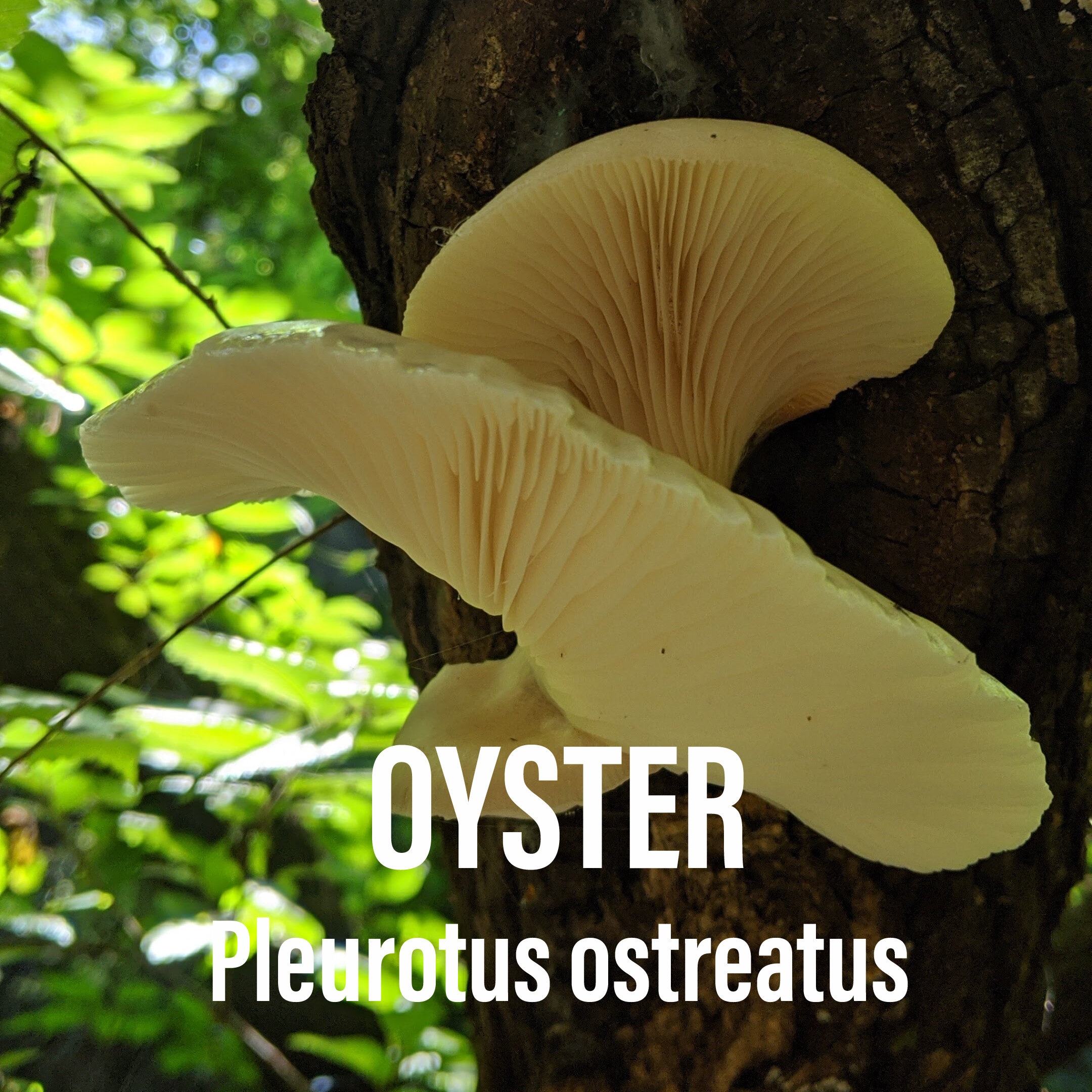
Chicken-of-the-Woods, Laetiporus sulphureus will continue to flush on live oaks. I was finding them into November but make sure they are still moist on the inside. I have seen COTW grow to prime size and moisture in around 3 days. Also keep an eye out for oysters on blac
Chicken-of-the-Woods, Laetiporus sulphureus will continue to flush on old, live oaks. I was finding them into November but make sure they are still moist on the inside. They can be mealy and hard to eat if they are not moist on the inside. I imagine that the texture feels somewhat like a bioport from the movie eXistenZ. I recently watched this late 90's Cronenberg movie starring Jude Law and Jennifer Jason Leigh so BE CAREFUL when handling a bioport. I have seen COTW grow to prime size and moisture in around 3 days. Also keep an eye out for oysters on black willows and oaks. If we get rain we may also see some fall oysters.
Click images to learn more and to see where to find them! Also, don't forget to add your finds on the Mushrooms of Texas project on iNaturalist. Follow my adventures @forage.atx.


September Giveaway: Mushroom Tarot from Corvidopolis.com
This month's mush love feature is the highly anticipated Mushroom Tarot cards from Corvidopolis. This deck comes with 25 cards and includes the typical Major Arcana archetypes depicted in black & white, with fungal species carefully matched to each card. There are three mushroom specific cards–The Hyphae, The Spore and The Mycelium–representing three lenses through which to approach your reading or interaction with the deck. An info booklet is also included in the tuck box that discusses the 22 cards of the MA and why it is paired with each card for its chosen mushroom.
Mushroom Tarot from Corvidopolis.com
This month's mush love feature is the highly anticipated Mushroom Tarot cards from Corvidopolis. This deck comes with 25 cards and includes the typical Major Arcana archetypes depicted in black & white, with fungal species carefully matched to each card. There are three mushroom specific cards–The Hyphae, The Spore and The Mycelium–representing three lenses through which to approach your reading or interaction with the deck. An info booklet is also included in the tuck box that discusses the 22 cards of the MA and why it is paired with each card for its chosen mushroom.
The original illustrations are all in pen & ink by Chris Adams. Chris Adams is an illustrator, screen printer & extreme mushroom enthusiast living in Corvallis, Oregon. His day job consists of running Corvidopolis–an art & apparel company featuring illustrations hand printed onto shirts & paper–and The Mushroom Tarot. Learn More >
Become a member of CTMS and be entered in a win the set!
(Winner will be announced in September. Drawing will include all CTMS members.)
September Foraging Forecast
Even though August is very hot with very little rainfall, you will start to see Chicken of the Woods, Laetiporus sulphureus start to flush from exposed and damaged heartwood of Texas Escarpment Oaks. It is said to be one of the more easy to recognize mushrooms because of its large size and striking sulphur-yellow to orange color. Some people say that the fungus possesses a remarkably similar texture and taste to chicken. It is advised to just collect young specimens, being bright yellow to orange, as older specimens, being dull yellow to white, become rather woody with age and often developing an acrid flavor.
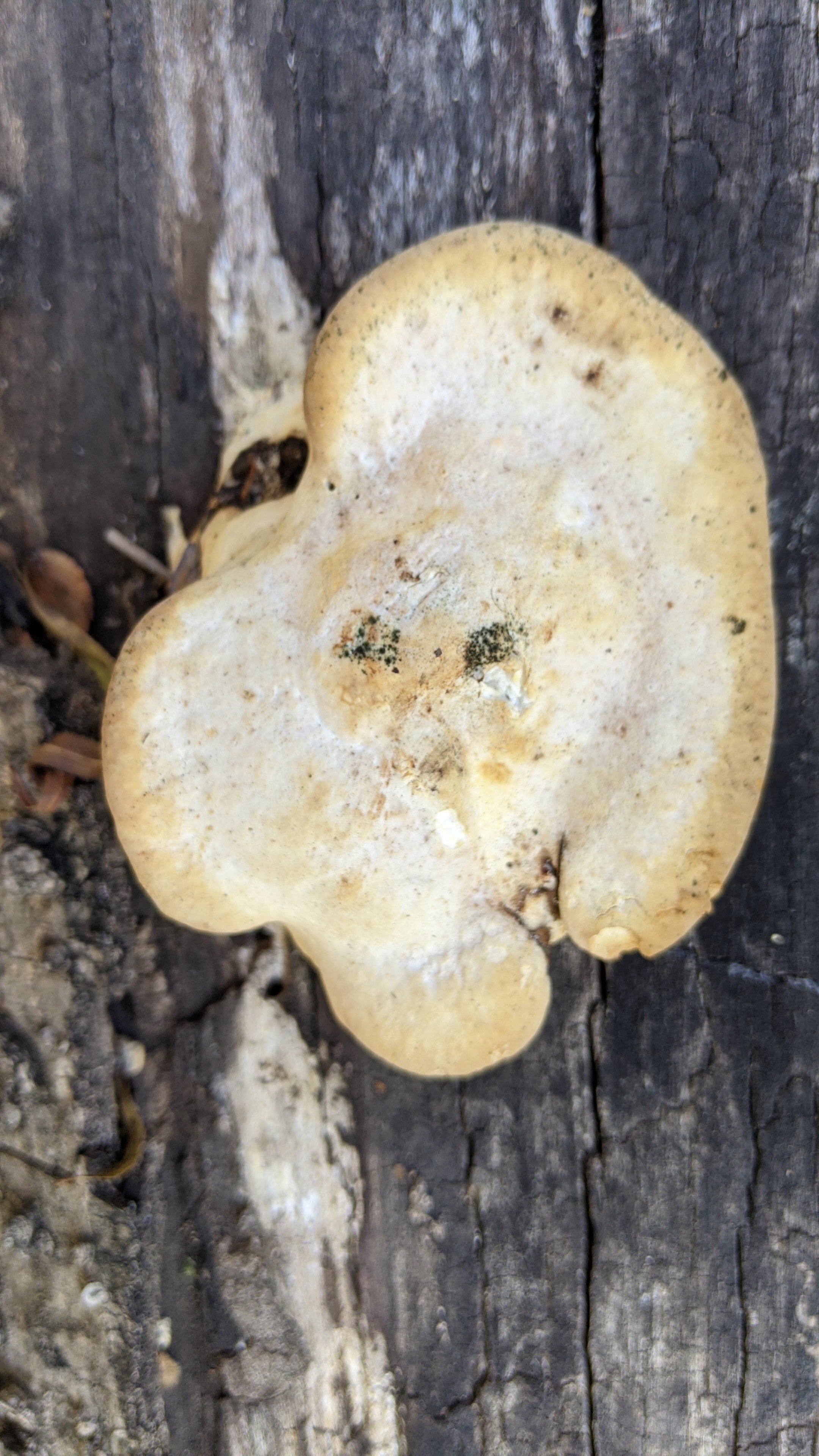
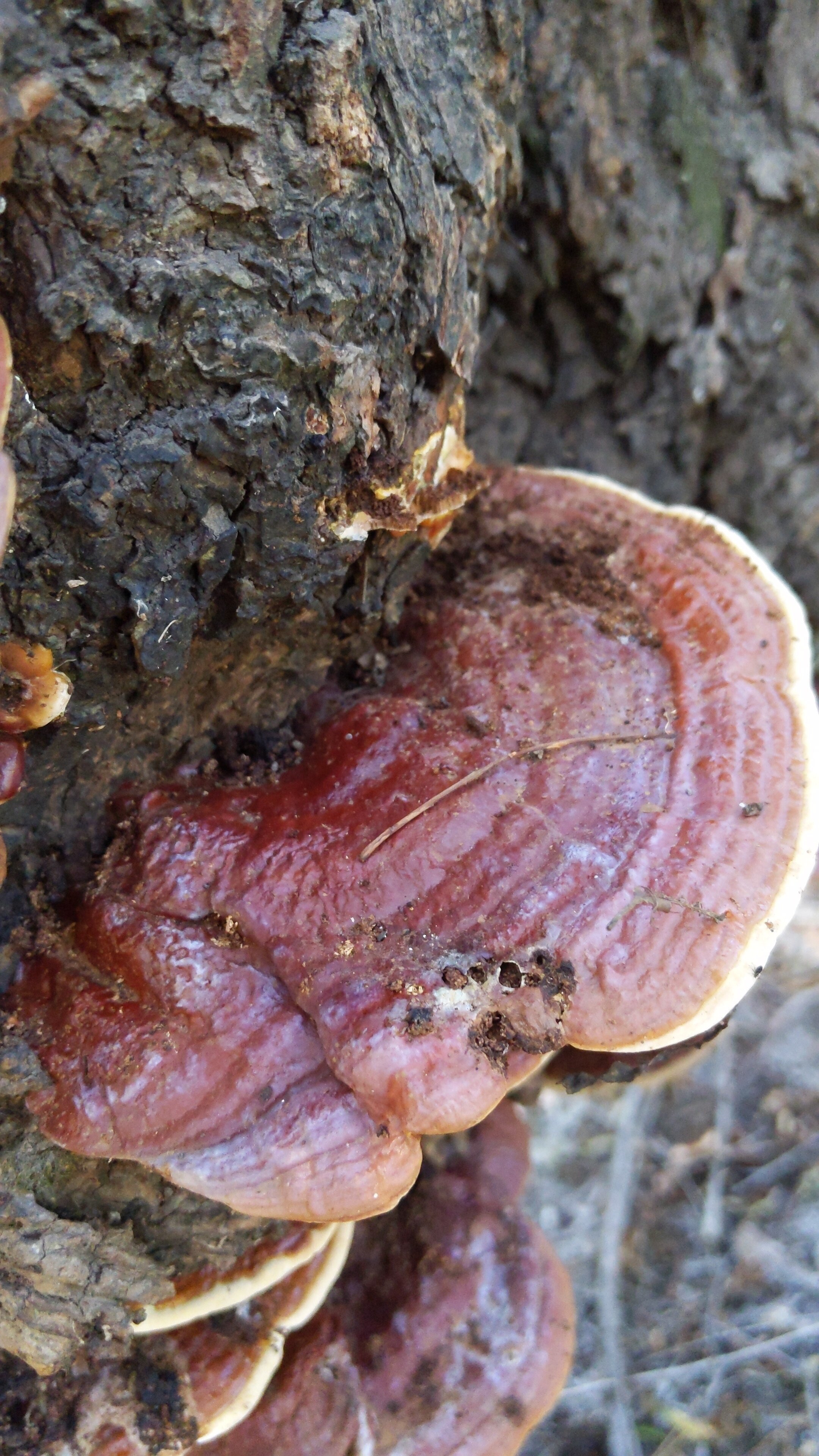
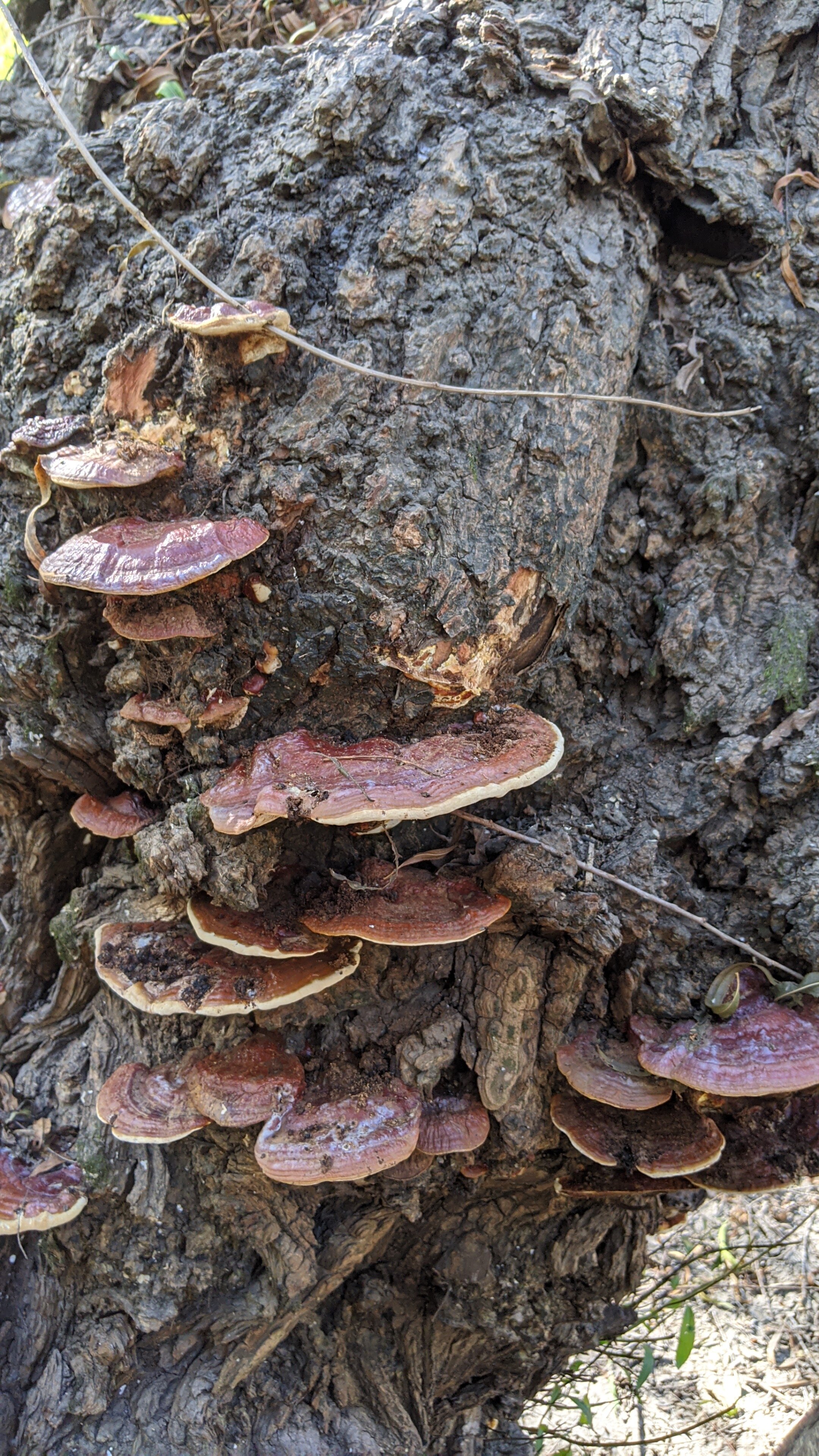
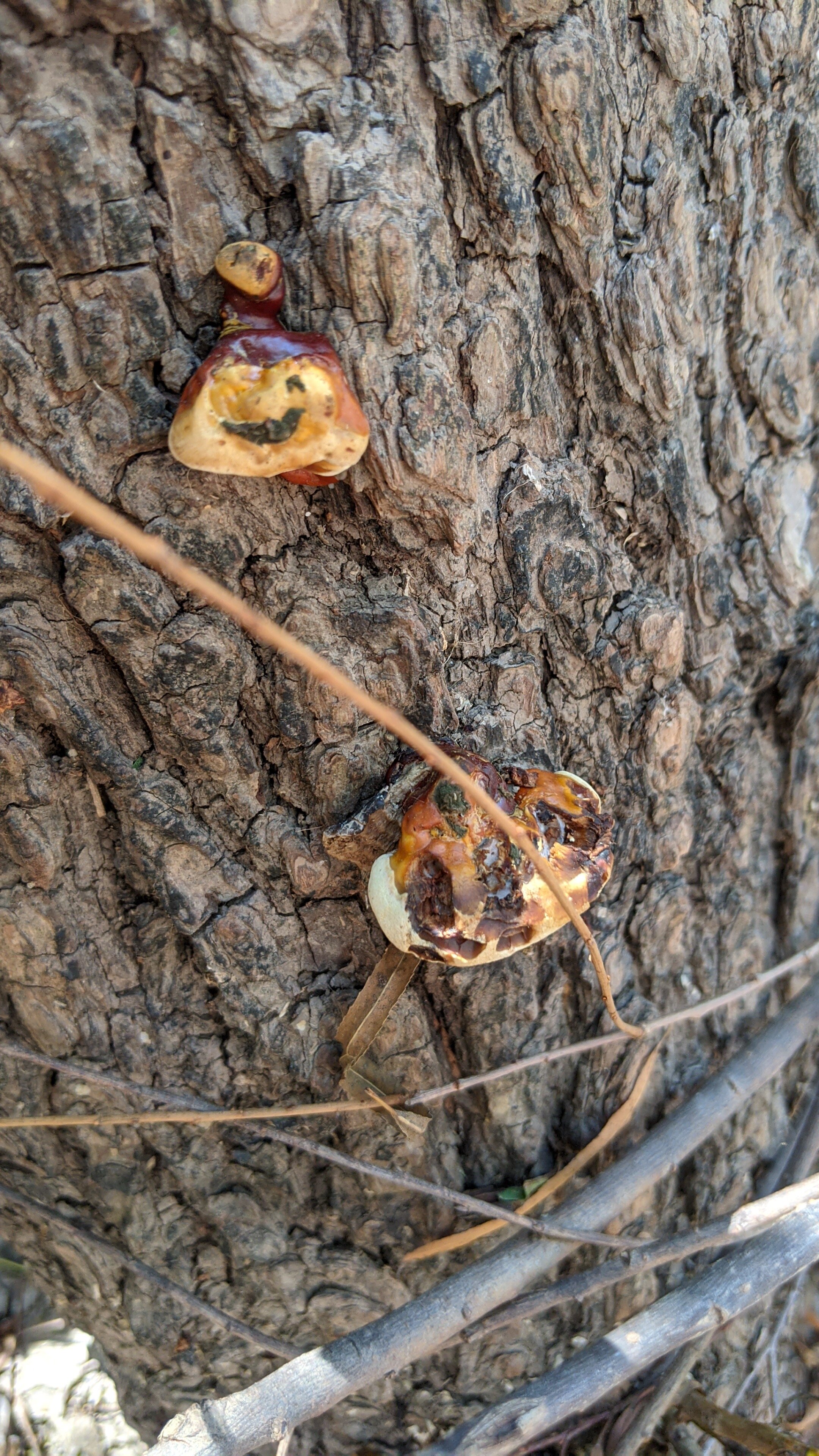
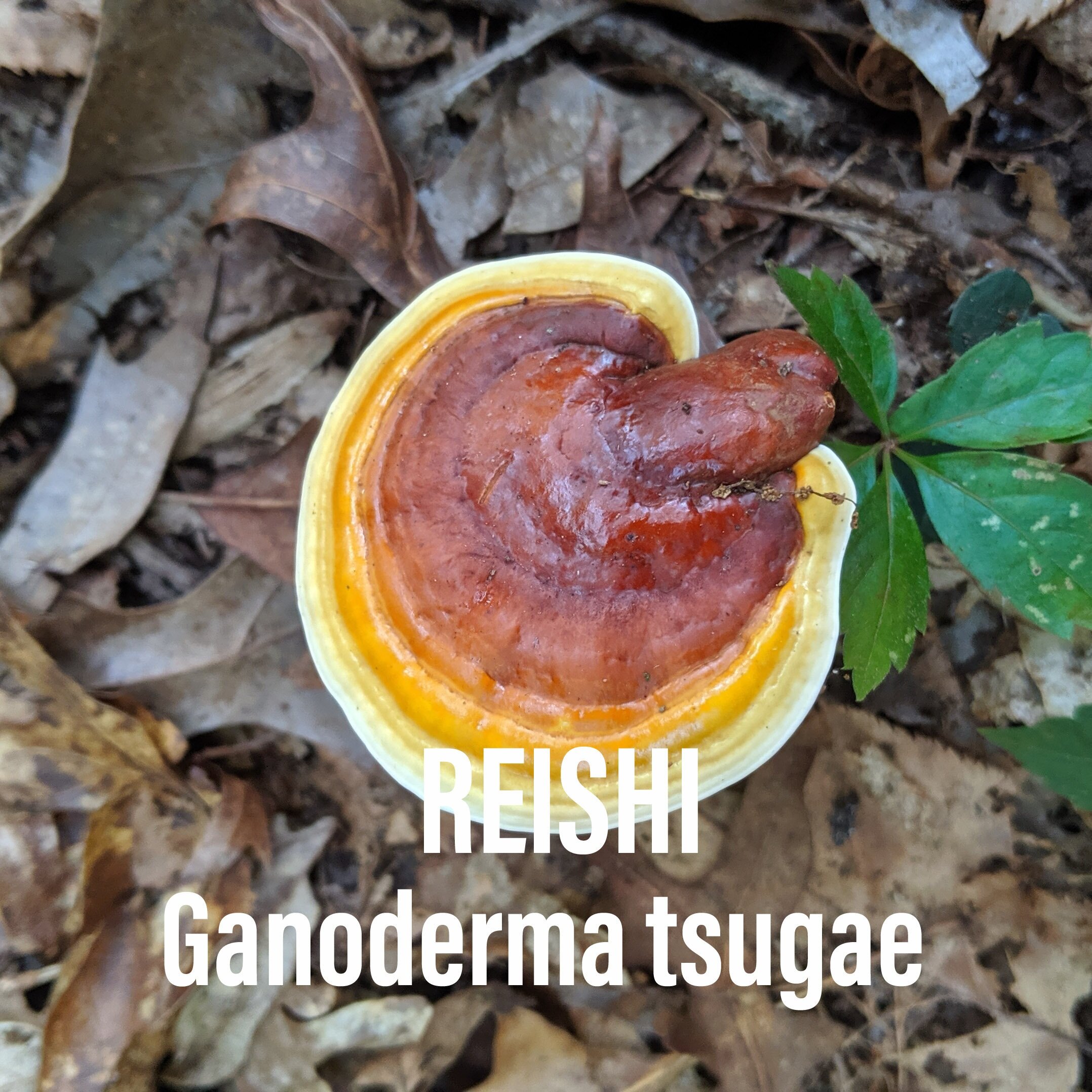
With tropical storm activity in the gulf, expect rainfall and then expect mushrooms. Chicken of the Woods, Laetiporus sulphureus will continue to flush on live oaks. Look for Reishi, the "Mushroom of Immortality" or Ganoderma species on dying or dead Pecan trees. If the top of the shelf looks red and varnished and the underside is still white, it is still good to harvest for medicinal purposes.
Click images to learn more and to see where to find them! Also, don't forget to add your finds on the Mushrooms of Texas project on iNaturalist. Follow my adventures @forage.atx.

Soil: The Stage for all Life
The introductions to a series that cover the basics of soil and Fungi.
Carl Sagan said in the Cosmos series, “if you wish to make an apple pie from scratch, you must first invent the universe.” What he means is that if we want to make or understand a thing, we have to understand that thing exists within a context. The context can change based upon the information we have, the biases we hold, and/or our perceptions, affecting how we experience reality. The scientific method is a deliberate attempt to move past the limitations of human perception to understand reality, as it truly exists. This has revolutionized some concepts and understandings well beyond what the beliefs earlier people held about the nature of the universe, especially about plants and animals. For example, most people now know that certain microorganisms cause specific diseases. This is the first in a series of essays about the soil ecosystem, Fungal lifestyles, and evolution.
When the rains come, mushrooms visit our gardens, peering at us through the flowers reminding us of the mysterious world just below the soil surface. What are they doing there? Are they hurting my plants? Can I eat them? However, it’s hard to talk about the relationships plants and fungi have without telling the full story of the soil because plants and fungi are but two actors on a stage and the story would be incomplete without all the characters. I also hope that this class will help everyone be better gardeners in general and feel more integrated into the ecosystem they live in.

https://www.nrcs.usda.gov/Internet/FSE_MEDIA/nrcs142p2_049822.jpg
Our paradigm for soil is shifting from one that understands the soil as non-living, a purely chemical world in which plants feed on available ions, to an understanding of the soil as an ecosystem, teeming with life. Fungi, as well as the plants, play a key role in guiding the development of the soil, with fungi in particular making nutrients bioavailable to the rest of the system. However, there are many dancers in the ballet of the soil, all playing critical roles. Bacteria fix nitrogen from the air, while protozoa, nematodes, earthworms, and arthropods subsist upon and redistribute these nutrients throughout the soil. Animals also play a role in this drama that Dr. Elaine Ingahm has dubbed “The Soil Food Web.” The story is one of predation and destruction as well as cooperation and regeneration. It’s a story in which humans have forgotten their role and we’re now relearning our part.

https://www.jswcd.org/soil-texture
The setting for our drama is also the place where the story begins. Billions of years ago water covered the earth and minerals dominated the land. Life began to develop and flourish in the water. Slowly organisms developed ways to protect themselves from drying out in the air and began to spread onto land. They were also carried far in land on the wind and in storms, sometimes landing in places favorable to their survival; others were not so lucky. Some of these organisms could demineralize the rocks they were growing on, releasing valuable nutrients from the rocks. Wind and water also break down the rocks through friction, creating smaller and smaller particles. These mineral particles are either sand, silt, or clay and their ratios tell us important information about how water will interact with soil, for example it will drain quickly if it's predominantly sand or quickly become waterlogged if it's predominantly clay. This is where others talking about the soil would begin talking about N-P-K and other macro- and micro- nutrients, however this is not that kind of talk. All the nutrients that plants need to grow already exist around in the soil or in the surrounding environment, they’re just not readily available for the plant. This is what they test for in a soil test, the available nutrients in the soil, and some soil labs will also give recommendations on the amounts of available ions one needs to add to a soil. But that begs the question, how does the old growth forest or the wild-prairie flourish without the ability to directly access the nutrients they need to survive? The organisms of the soil food web, or our cast of dancers, breakdown and make them available.

Hericium coralloides in Bryan, TX. Photo by Author
Beyond the spatial setting for our ballet, we must also address the temporal element. Ecosystems develop successional stages (though as with most things in nature these stages don’t have a distinct boundary but transitionally along a gradient). As I just mentioned, the surface of the earth not covered by water was all rock but when we look around us we know that this is no longer the case. There are forests and grasslands that cover the planet, and even in the most extreme environments, such as deserts and the arctic, have a layer of soil and organisms that utilize that layer. As time passes, this layer grows deeper and deeper as more and more nutrients and organic matter build up in the system leading the complex and diverse ecosystems we experience today. These pioneering organisms paved the way for not only animals to develop but plants as well. An ecosystem’s development and the organisms that survive there depend on the amount of light received annually, the distribution of the light (even night length throughout the year or not), the highest annual temperatures, the lowest annual temperatures, the annual precipitation rate, and the distribution of that precipitation throughout the year. These factors harmonize to allow the development of diverse ecosystems. Below the soil a similar process is taking place as the environment of the soil changes during the course of the day. Some soil organisms actively shape the soil environment to aid in their own and the other organisms they depend on for survival.

Dr. Jerry Glover next to a 14 foot tangle of Indian grass, compass plant, and big bluestem grass he grew. https://onpasture.com/2017/07/03/fourteen-foot-long-roots-thats-what-great-grass-farmers-grow/
While many different dancers move through the scenes of this ballet, one process has orchestrated it all and actually set the stage for the ballet’s current act to begin. Photosynthesis is the chemical process of turning light energy into sugars. Plants didn’t invent it but they have done beautiful things with photosynthesis and made it their own. The plant kingdom has spread across the globe and has many different species. And to reiterate, they took over the world without needing fertilizers or even watering from a person.
Since we experience plants above ground, sometimes we forget that there is an extensive portion of the organism below the surface also. When we bring plant roots into our discussion, we often focus on them as the site where the plant takes up water and other nutrients to the leaves. However this is only part of the story, most of the sugar produced during photosynthesis, the plant exudes into the soil. The plant custom manufactures exudates to attract specific beneficial bacteria, archaea, and fungi into a space around the root only a few millimeters wide called the rhizosphere. As the root grows it, sheds root hairs, upon which the bacteria, archaea, and fungi also feed. Their populations explode as the plant grows, attracting protozoa and nematodes that feed on the carbon sequestered by the bacteria, archaea, and fungi.
Gardeners are often familiar with nematodes as root feeder pathogens but there are also nematodes that feed on smaller nematode species, amoebae, flagellates, and ciliates. Tiny arthropods join the ballet next, feeding upon the bacteria, archaea, and fungi, as well as the root feeding nematodes. Earthworms travel through the soil, creating tunnels for water and air to infiltrate the soil, bringing organic matter from the surface feeling into the organic layer, and inoculating the soil with beneficial bacteria, archaea, and fungi. Larger arthropods join in, predating upon the smaller arthropods. Birds and animals the feed on the arthropods and worms or directly from the plants and fungi as well, carrying seeds and nutrients farther away than any the smaller organisms could
This all happens in the top several inches of the soil. Regardless of what the organisms eat, they all excrete “wastes” that other organisms also feed on. Or they simply scavenge the organic matter left in the wake of the feeding predators or shifts in climate. Over time this cycle builds up layer after layer of organic, creating new and better habitat for more plants to begin growing, furthering the cycle. As long as there are no major changes in precipitation and temperature, the system remains stable. This is how the Great Plains of North America was able to build up such rich “Bread basket” soils that were several feet deep in some places and how tropical rainforests sustain such diversity with notoriously “poor” soil.
Mismanagement of soils has been linked to the decline of many human settlements throughout history. The most relevant of these events to the United States is the Dust Bowl from 1930-1936. This occurred when a severe drought collided with farming practices and new gasoline powered tractors. The repeated disturbance of the soil displaced the deep root grass species leaving the Great Plains vulnerable to damage from wind and rain. As the United States and other developed countries continue to emit massive amounts of CO2 into the atmosphere and mistreat the soil through repeated tillage and application of industrial fertilizers and pesticides, we’ll continue to see more frequent and severe droughts and the “dust-bowlification” of not only the North American continent but across the globe.
However, one need not fret because in our understanding of the problem; lies our solution. By promoting a healthy soil ecosystem, we can actually use the soil as a carbon sink for the excess atmospheric CO2. The methods for doing so, on a large and back yard scale, will be covered in future essays. Before we get to that, first we’ll define Fungi and lay out their evolutionary history, then a deep dive into Basidiomycota (the branch of the Fungi evolutionary tree where we find the majority of the Fungi we eat), followed by an overview of Fungal ecology. After going through all that we’ll have laid much of the background info for why the methods for rehabilitating and protecting the soil will function. Not only will we be able to grow beautiful gardens and nutritious vegetables but we’ll also be informed on the best practices for industry, and prevent ourselves from falling for deceptive corporate greenwashing.
Resources:
Teaming with Microbes by Jeff Lowenfels and Wayne Lewis
Teaming with Fungi by Jeff Lowenfels
Teaming with Nutrients by Jeff Lowenfels
The Permaculture Student 2 by Matt Powers
Radical Mycology by Peter McCoy
The Soil Food Web by Elane Ingahm
The Next Dust Bowl by Joseph Romm
Soil as CarbonStorehouse: New Weapon in Climate Fight? By Judith D. Schwartz
August Foraging Forecast
Even though August is very hot with very little rainfall, you will start to see Chicken of the Woods, Laetiporus sulphureus start to flush from exposed and damaged heartwood of Texas Escarpment Oaks. It is said to be one of the more easy to recognize mushrooms because of its large size and striking sulphur-yellow to orange color. Some people say that the fungus possesses a remarkably similar texture and taste to chicken. It is advised to just collect young specimens, being bright yellow to orange, as older specimens, being dull yellow to white, become rather woody with age and often developing an acrid flavor.
Even though August is very hot with very little rainfall, you will start to see Chicken of the Woods, Laetiporus sulphureus start to flush from exposed and damaged heartwood of Texas Escarpment Oaks. It is said to be one of the more easy to recognize mushrooms because of its large size and striking sulphur-yellow to orange color. Some people say that the fungus possesses a remarkably similar texture and taste to chicken. It is advised to just collect young specimens, being bright yellow to orange, as older specimens, being dull yellow to white, become rather woody with age and often developing an acrid flavor.
Click images to learn more and to see where to find them! Also, don't forget to add your finds on the Mushrooms of Texas project on iNaturalist. Follow my adventures @forage.atx.
August Featured Mushroom & Giveaway
Become a member of CTMS and be entered in a win a Grow-At-Home Pink Oyster Kit !
Hi-Fi Myco Pink Oyster Mushrooms
Hi-Fi Myco is Austin's first urban mushroom farm. This month's feature mushroom and giveaway is the Pink Oyster mushroom, Pleurotus djamor. The flavor of the pink oyster mushroom has been described as meaty and fishy. Just like most mushrooms it has quite the umami flavor. When fried until crispy, it resembles bacon or even ham. When cooked, however, the pink color quickly fades. It has a curly cap which is 2 - 5 cm in diameter. This mushroom is rich in protein, contains plenty of B vitamins, and studies show they help regulate blood sugar. Pink Oyster mushrooms are available for purchase on their website for pick-up at the following Farmers Markets: Lakeline, Sunset Valley, Downtown, New Braunfels, and Mueller.
Become a member of CTMS and be entered in a win a Grow-At-Home Pink Oyster Kit ! (Winner will be announced in September. Drawing will include all CTMS members.)